

Basic Information
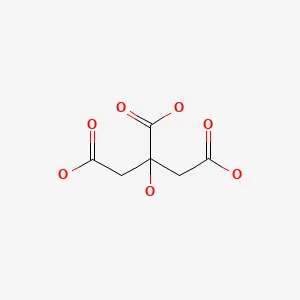
Citric Acid Anhydrous Structure
IUPAC Name | : 2-hydroxypropane-1,2,3-tricarboxylic acid |
CAS Number | : 77-92-9 |
HS Code | : 2918.14 |
Molecular Formula | : C6H8O7 |
Structural Formula | : HOOCCH2C(OH)(COOH)CH2COOH |
Synonyms | : Citric acid, Anhydrous citric acid, 2-Hydroxytricarballylic acid, E330 |
Molecular Weight | : 192.12 g/mol |
Description
Citric acid anhydrous is a weak organic tricarboxylic acid naturally present in citrus fruits. It is one of the most widely used food additives globally, approved under E330, and valued for its sharp, clean acidic taste, excellent solubility, and broad functional versatility across food, beverage, pharmaceutical, and industrial applications.
As an anhydrous form, it contains no water of crystallization, making it more stable, easier to handle in dry blending, and more concentrated compared to citric acid monohydrate. Its high purity, consistent quality, and GRAS (Generally Recognized as Safe) status make it a preferred acidulant in food manufacturing worldwide.
Commercially, citric acid is produced through fermentation of sugars by Aspergillus niger mold, making it a bio-based and renewable ingredient. It plays critical roles as an acidulant, preservative, chelating agent, pH regulator, and flavor enhancer across a vast range of applications.
Chemical and Physical Properties
Physical Description | : White crystalline powder or granules. |
Color / Form | : White to off-white. |
Odor | : Odorless. |
Taste | : Strong, clean sour/acidic taste. |
Boiling Point | : Decomposes above 175 °C |
Melting Point | : 153–159 °C |
Flash Point | : Not applicable (solid) |
Solubility | : Freely soluble in water; soluble in ethanol. |
Density | : Approx. 1.665 g/cm³ |
pH (1% solution) | : Approx. 2.2 |
Stability / Shelf Life | : Stable under normal dry storage conditions. Hygroscopic above 75% RH. |
Viscosity | : N/A (solid form) |
Polymerization | : No hazardous polymerization. |