Explore our network of country and industry based websites to access localized information, product offerings, and business services across our group.
Log in to start sending quotation requests for any product.
Don't have an account? Sign Up Here
Home Learning Center Tartaric Acid
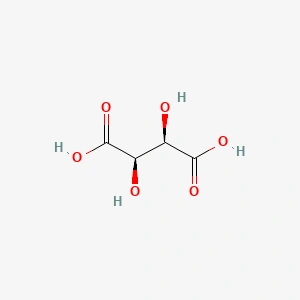
Tartaric Acid Structure
|
IUPAC Name |
(2R,3R)-2,3-dihydroxybutanedioic acid |
|
CAS Number |
87-69-4 |
|
HS Code |
2918.12 / 29181200 |
|
Molecular Formula |
C4H6O6 |
|
Structural Formula |
HOOCCH(OH)CH(OH)COOH |
|
Synonyms |
Tartaric acid, L-(+)-tartaric acid, 2,3-dihydroxybutanedioic acid, dihydroxysuccinic acid, E334 |
|
Molecular Weight |
150.09 g/mol |
Tartaric acid is a naturally occurring organic acid and dicarboxylic acid widely used in food, beverage, pharmaceutical, cosmetic, and industrial applications. It is best known for its presence in grapes and grape-derived products, especially wine, where tartaric acid and tartrate salts naturally contribute to acidity, flavor balance, and stability. In commercial food ingredient markets, tartaric acid is commonly supplied as a white crystalline powder or granules with a clean, sharp acidic taste.
In food and beverage applications, tartaric acid is used as an acidulant, acidity regulator, flavor enhancer, pH control agent, sequestrant, and formulation aid. It is commonly identified under the food additive code E334. Compared with citric acid, tartaric acid provides a sharper and more persistent acidity profile, making it valuable in confectionery, powdered beverages, bakery systems, wine processing, fruit preparations, jams, jellies, and certain leavening systems.
Tartaric acid is commercially important because of its role in baking powder systems. Its salt, potassium bitartrate, commonly known as cream of tartar, reacts with sodium bicarbonate to release carbon dioxide, helping doughs and batters rise during baking. Tartaric acid and tartrate derivatives are also used in wine stabilization, pharmaceuticals, cosmetics, electroplating, textile processing, and chemical synthesis.
From a trade and procurement standpoint, tartaric acid is usually purchased based on purity, optical form, food-grade compliance, particle size, heavy metals, sulfate, oxalate, residue on ignition, moisture, packaging, and certification requirements. Buyers should distinguish between L-(+)-tartaric acid, DL-tartaric acid, and other tartaric acid forms because regulatory acceptance, application suitability, and pricing can differ by isomer and grade.
|
Physical Description |
White crystalline powder or granules |
|
Color / Form |
White to off-white crystalline solid |
|
Odor |
Odorless |
|
Taste |
Sharp, clean sour or acidic taste |
|
Boiling Point |
Not normally applicable; decomposes before conventional boiling |
|
Melting Point |
Approx. 168–170 °C for L-(+)-tartaric acid, depending on grade and method |
|
Flash Point |
Not typically applicable for normal solid handling; combustible dust risk may exist |
|
Solubility |
Freely soluble in water; slightly soluble in alcohol; practically insoluble in many non-polar solvents |
|
Density |
Approx. 1.75–1.79 g/cm³, depending on crystal form and test method |
|
pH |
Acidic in aqueous solution; exact pH depends on concentration |
|
Stability / Shelf Life |
Stable under normal dry storage conditions; protect from moisture, heat, dust generation, and incompatible materials |
|
Viscosity |
N/A, solid form |
|
Polymerization |
Hazardous polymerization is not expected under normal storage conditions |
Tartaric acid is a versatile food acid used where clean acidity, flavor brightness, and controlled pH are required. It is especially valued in beverage, confectionery, bakery, fruit preparation, wine, and pharmaceutical applications.
In beverages, tartaric acid is used in fruit-flavored drinks, powdered beverages, instant drink mixes, and wine-related applications. It provides a sharp acidic profile that improves flavor brightness and balances sweetness. In wine, tartaric acid is one of the most important natural acids because it contributes to acidity, taste structure, microbial stability, and pH control.
In confectionery, tartaric acid is used in hard candies, gummies, sour candies, fruit chews, jelly candies, chewing gum, and sugar coatings. It gives a sharp sour taste and can be blended with citric acid, malic acid, or fumaric acid to create layered acidity. It is particularly useful where a fast and clean sour note is desired.
In bakery applications, tartaric acid and tartrate salts are used in chemical leavening systems. Cream of tartar, or potassium bitartrate, reacts with sodium bicarbonate to produce carbon dioxide, helping baked goods rise. This makes tartaric acid chemistry important in baking powders, cakes, biscuits, cookies, and other aerated bakery systems.
In jams, jellies, fruit preparations, and fillings, tartaric acid helps adjust pH and improve flavor balance. Correct pH is important for gel formation, texture, color stability, and shelf-life performance. It may be used where formulators want a sharper acid profile than citric acid alone can provide.
In pharmaceuticals and nutraceuticals, tartaric acid can function as an excipient, pH modifier, acidulant, and component in effervescent systems. It is also used in certain chiral chemistry applications because tartaric acid exists in optically active forms.
Beyond food and pharmaceuticals, tartaric acid is used in cosmetics, metal treatment, electroplating, textiles, ceramics, and chemical synthesis. These industrial uses are smaller than food-sector applications in many markets, but they remain commercially relevant.
Commercial tartaric acid is commonly produced from natural tartrate-rich by-products of the wine industry, including grape pomace, wine lees, and argol deposits. These materials contain potassium bitartrate and other tartrate salts formed during grape fermentation and wine processing. The tartrate-bearing material is collected, treated, and converted into intermediate tartrate salts before being processed into tartaric acid.
A common manufacturing route involves extraction of tartrate salts, conversion into calcium tartrate, and acidulation using sulfuric acid to release tartaric acid. The resulting solution is purified through filtration, decolorization, concentration, and crystallization. The crystals are then separated, dried, sieved, and packed according to food-grade or industrial-grade specifications.
Synthetic and racemic tartaric acid routes may also exist, depending on the product type and market. However, food-grade L-(+)-tartaric acid is often associated with natural wine-industry sources. Buyers should confirm whether the product is natural or synthetic, which is commercially important for food labeling, regulatory positioning, customer preference, and price.
For food-grade tartaric acid, key quality parameters include assay, optical rotation, sulfate, oxalate, chloride, heavy metals, lead, arsenic, residue on ignition, moisture, color, and particle size. Because tartaric acid is traded globally under HS 29181200, customs classification should be checked against destination-country requirements before import.
Tartaric acid is generally handled as a low-to-moderate hazard solid in food and industrial environments, but it can cause serious eye damage or eye irritation depending on product classification and concentration. Fine powder may also form combustible dust concentrations in air. Fisher Scientific’s SDS for tartaric acid identifies hazard statements including may form combustible dust concentrations in air and causes serious eye damage.
Food-grade status does not eliminate industrial handling risk. Workers handling bulk tartaric acid powder should control dust, avoid direct eye exposure, and use appropriate personal protective equipment during weighing, bag dumping, blending, sieving, repacking, and cleanup.
Tartaric acid is an organic solid. It is not normally treated as a major fire risk under standard storage conditions, but fine dust dispersed in air may create combustible dust concentrations. Storage and production areas should minimize dust accumulation, avoid ignition sources, maintain good housekeeping, and use ventilation or dust extraction where powder handling is frequent.
Dust or concentrated solutions may irritate the skin, eyes, and respiratory tract. Eye exposure is the most significant routine concern because SDS information identifies serious eye damage potential. Inhalation of dust may cause coughing, throat irritation, or respiratory discomfort, particularly in poorly ventilated areas. Prolonged or repeated skin contact may cause dryness or mild irritation.
The main physical dangers of tartaric acid are dust generation, eye exposure, and combustible dust formation. Powder should be handled carefully to avoid airborne dust clouds. Dust should not be allowed to accumulate on floors, ledges, equipment, or electrical components.
Wash affected skin thoroughly with soap and water. Remove contaminated clothing and shoes. Seek medical advice if irritation, redness, or discomfort persists. Contaminated clothing should be cleaned before reuse.
Immediately rinse eyes cautiously with clean running water for several minutes, lifting eyelids occasionally. Remove contact lenses if present and easy to do. Continue rinsing and seek medical attention. Fisher Scientific’s SDS specifically advises rinsing cautiously with water for several minutes after eye exposure.
Rinse mouth with water. Give water to drink if the person is conscious and able to swallow. Do not induce vomiting unless instructed by medical personnel. Seek medical advice if large quantities are ingested or if symptoms such as stomach discomfort, nausea, or throat irritation occur.
Move the affected person to fresh air. Keep them comfortable and at rest. If coughing, throat irritation, breathing difficulty, or other respiratory symptoms persist, seek medical attention.
Use dry chemical powder, carbon dioxide, foam, or water spray depending on surrounding fire conditions. Avoid actions that disperse powder into the air. Firefighters should use protective equipment and respiratory protection if heavy dust, smoke, or decomposition products are present. Water spray may be used to cool containers and reduce dust, but high-pressure water streams should be avoided if they spread powder.
Small spill: Sweep or vacuum carefully using dust-minimizing methods. Avoid dry sweeping if it creates airborne dust. Collect the material into clean, labeled, sealable containers. Reuse only if the product is uncontaminated and still suitable for its intended grade. Otherwise, dispose of according to local regulations.
Large spill: Isolate the area and prevent unnecessary personnel from entering. Avoid generating dust clouds. Use mechanical collection or vacuum systems suitable for powder handling. Prevent entry into drains, waterways, and soil. Dispose of contaminated material in accordance with local environmental and waste regulations.
Store tartaric acid in its original, tightly closed packaging in a cool, dry, clean, and well-ventilated area. Protect from moisture, direct sunlight, excessive heat, dust generation, pests, and contamination. Keep away from strong oxidizing agents, strong bases, reactive chemicals, and materials that may contaminate food-grade product.
For food-grade material, storage should follow clean warehouse and food safety practices. Keep away from industrial chemicals, allergens, strong odors, and non-food-grade substances. Opened bags should be resealed immediately after use. Pallets should be stored off the floor and away from walls to reduce moisture exposure and improve inspection access.
|
Temperature |
Recommended 15–25 °C; avoid excessive heat |
|
Relative Humidity |
Keep dry; preferably below 60% RH |
|
Shelf Life |
Commonly 24–36 months in original sealed packaging, subject to supplier specification |
|
Packaging |
Food-grade PE-lined paper bags, HDPE bags, fiber drums, or bulk bags with moisture barrier |
|
Protection |
Protect from moisture, sunlight, heat, dust, pests, and contamination |
|
Segregation |
Store away from strong oxidizers, strong bases, and incompatible chemicals |
|
Handling Area |
Use dust control, local ventilation, and clean food-grade handling procedures |
|
Inventory Practice |
FIFO rotation recommended |
For more detailed information including pricing, customization, and shipping:
Discover more about this product and understand how it may fit into your operations, formulations, or production requirements.
Browse Product

 English
 Indonesian
 简体字
简体字
 العربية
 Español
 Français
 Português
 日本語
日本語
 한국어
한국어
 Tiếng Việt



















