Introduction to Indonesia's Evolving Food Market
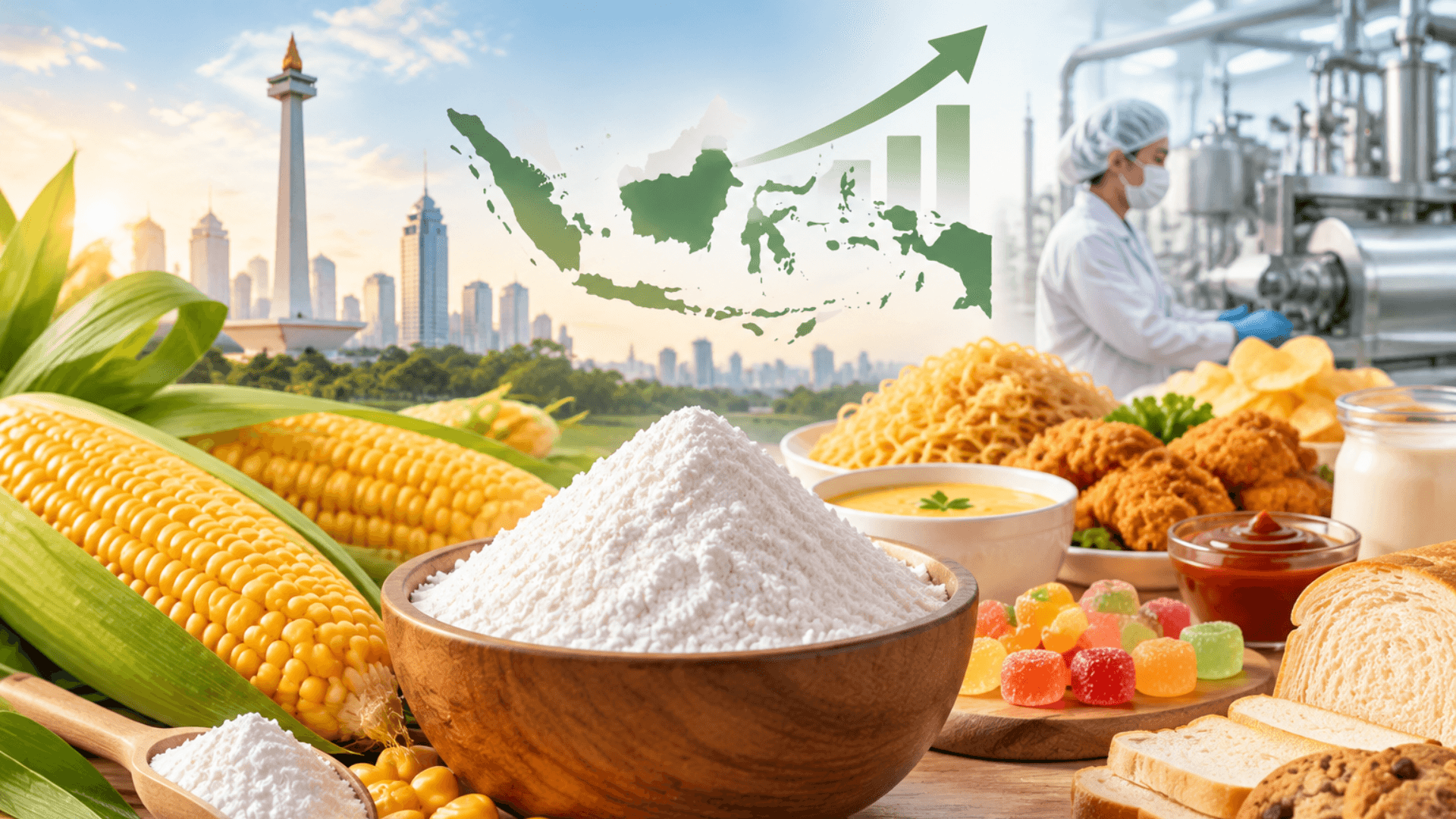
Indonesia stands as one of Southeast Asia's most dynamic and rapidly expanding economies. With a burgeoning middle class and a thriving food processing sector, the nation presents immense opportunities for ingredient suppliers. Among the various functional components gaining traction, potato starch has emerged as a critical commodity for manufacturers looking to elevate product quality, texture, and stability.
Understanding Potato Starch and Its Origins
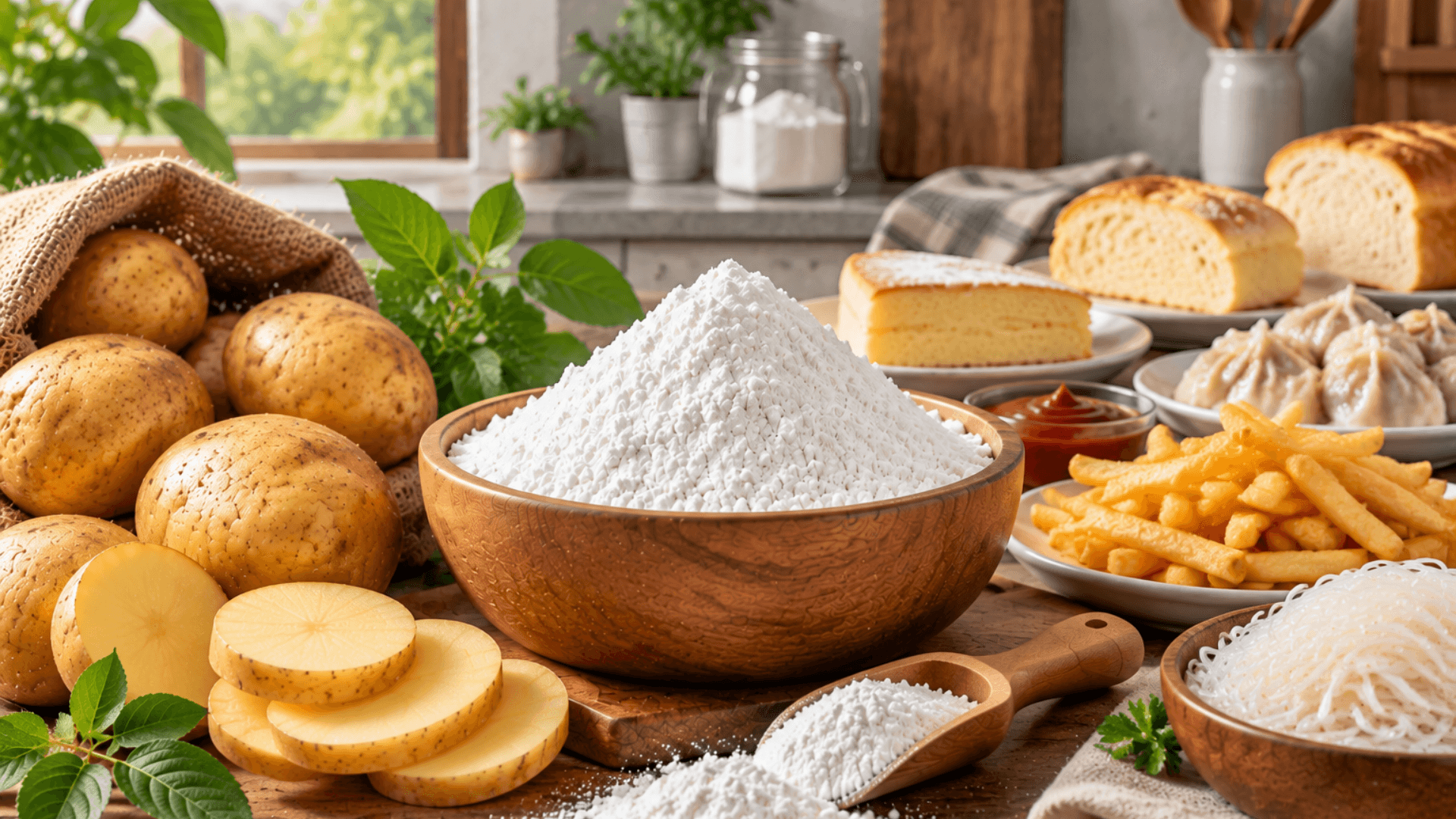
Potato starch is derived from the root tubers of harvested potato plants. The manufacturing process involves crushing potatoes to release starch grains from the destroyed cells, followed by washing and drying the starch into a fine, white powder. While Indonesia does cultivate potatoes in highland regions like West Java and Central Java, domestic production primarily caters to the fresh table market rather than industrial processing. Consequently, the Indonesian market relies heavily on imports of high-grade potato starch from major agricultural powerhouses in Europe, such as the Netherlands, Germany, and Poland, as well as suppliers from Asia.
Key Drivers of Demand in Indonesia
The demand for specialized starches in Indonesia is fueled by several macroeconomic and industry-specific trends:
- Growth of the Processed Food Sector: As urban lifestyles accelerate, demand for ready-to-eat meals, convenience foods, and frozen products surges.
- Gluten-Free and Clean-Label Trends: Health-conscious consumers are actively seeking alternatives to wheat flour, driving the adoption of naturally gluten-free potato starch.
- Textural Preferences: Indonesian consumers place a high value on mouthfeel and texture, particularly in traditional snacks, modern bakery goods, and savory items.
Key Applications in the Food Industry
The versatility of potato starch makes it an indispensable ingredient across multiple food categories. Because of its unique gelatinization properties, high water-binding capacity, and neutral taste profile, food scientists utilize it in numerous applications:
- Meat and Poultry Products: Used extensively in sausages, meatballs (bakso), and nuggets to improve water retention, yield, and texture.
- Bakery and Confectionery: Incorporated into cakes, cookies, and gluten-free pastries to provide moisture and crumb structure.
- Sauces, Soups, and Gravies: Acts as a superior thickening agent that imparts a high gloss, clarity, and smooth mouthfeel compared to competing starches like corn or tapioca.
- Snack Foods: Essential in the production of extruded snacks and crisps, ensuring a light, crispy crunch.
Market Challenges and Considerations
Entering or expanding within the Indonesian potato starch market requires a nuanced understanding of local dynamics. Import regulations, halal certification requirements, and price competition from cheaper domestic alternatives like tapioca and cassava starch pose continuous challenges. However, the superior functional performance of potato starch often justifies the premium cost for manufacturers targeting mid-to-high-tier consumer segments.
Future Outlook
The trajectory for potato starch in Indonesia points firmly upward. As food processors continue to innovate and premiumize their offerings, the reliance on specialized ingredients will only intensify. Stakeholders who can successfully navigate regulatory frameworks, ensure a stable supply chain, and educate local manufacturers on the technical benefits of high-grade starches will be best positioned to capture market share in this vibrant archipelago.