
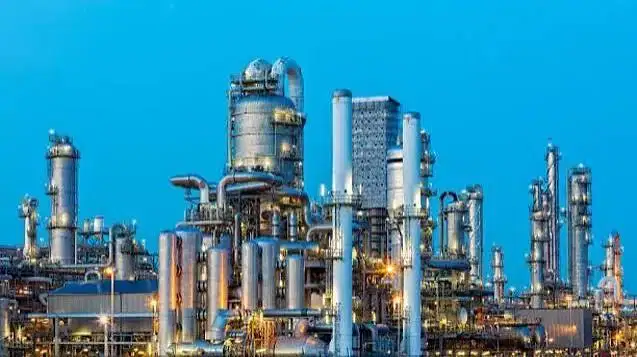
Asia-Pacific remains a central force in the global chemical industry, supported by large manufacturing bases, integrated petrochemical complexes, growing consumer markets, and expanding demand for industrial materials. China continues to influence regional production and pricing, while India and Southeast Asia offer opportunities linked to industrialization, infrastructure investment, and supply-chain diversification.
However, the region's growth story is not uniform. Capacity additions in commodity chemicals have intensified competition, while higher-value segments such as specialty chemicals, electronic materials, advanced polymers, and performance formulations offer opportunities for producers able to differentiate their products.
Geopolitical tensions and disruptions to energy and shipping routes have also highlighted the importance of reliable feedstock access and resilient logistics.
For chemical manufacturers, distributors, exporters, and procurement teams, understanding these regional differences is essential for identifying growth opportunities and managing commercial risk.
1. Asia-Pacific Chemical Market Overview
Asia-Pacific's chemical industry spans basic and inorganic chemicals, petrochemicals, polymers, agrochemicals, specialty chemicals, and advanced materials.
The region's manufacturing ecosystem supports demand across numerous downstream industries, including:
Automotive and transportation
Construction and infrastructure
Packaging and consumer goods
Electronics and semiconductors
Agriculture and water treatment
Food and beverage manufacturing
Pharmaceuticals and healthcare
Textiles and industrial processing
A market assessment published by Ken Research in August 2026 estimates that the Asia-Pacific chemical market was worth approximately US$3.19 trillion in 2025, with a projected compound annual growth rate of 4.9% through 2032. These figures are third-party market estimates, not official national accounts, and should be interpreted in the context of the report's market definition.
The underlying opportunity is substantial, but market value alone does not determine profitability. Capacity utilization, feedstock economics, product differentiation, and regional price competition remain critical.
2. Demand Trends Across Key Chemical Segments
Basic and Commodity Chemicals
Basic chemicals and petrochemical intermediates supply many of the materials used in plastics, coatings, textiles, construction, and industrial manufacturing.
Demand is influenced by:
Industrial production
Infrastructure spending
Consumer consumption
Packaging requirements
Automotive manufacturing
Construction activity
Despite their broad applications, commodity chemicals can experience significant margin pressure when production capacity grows faster than consumption. Buyers may benefit from competitive offers during oversupplied periods, while producers face pressure to improve utilization and reduce costs.
Polymers and Plastics
Polyethylene, polypropylene, PVC, and other polymers are important materials across packaging, construction, automotive, agriculture, and consumer products.
Demand opportunities are linked to:
Flexible and rigid packaging
Pipes and construction materials
Automotive components
Consumer-product manufacturing
Agricultural films
Recycling and circular materials
However, regional oversupply can lead to aggressive export competition. For buyers, lower prices may create purchasing opportunities, but supplier reliability, quality consistency, freight costs, and trade restrictions should remain part of the sourcing decision.
Specialty and Performance Chemicals
Specialty chemicals compete more heavily on functionality, formulation, purity, and application performance than on volume alone.
Important application areas include:
Coatings and adhesives
Electronic materials
Water treatment
Personal care
Pharmaceuticals
Food processing
Advanced manufacturing
These segments can offer opportunities for stronger margins when products have technical differentiation, customer qualification requirements, or specialized manufacturing needs. Their performance still depends on end-market demand, operating costs, and competitive intensity.
Electronic and Semiconductor Chemicals
Semiconductor manufacturing requires tightly controlled materials and chemical inputs, creating opportunities for suppliers capable of meeting demanding purity and quality specifications.
Potential areas of demand include:
High-purity process chemicals
Electronic-grade solvents
Specialty gases
Cleaning chemicals
Etching and surface-treatment materials
Advanced materials used in manufacturing processes
The main commercial barriers are demanding technical specifications, quality assurance, regulatory compliance, and lengthy customer qualification processes.
Agrochemicals and Agricultural Inputs
Agricultural chemicals remain important to the region's food production and farming systems.
Demand is influenced by crop economics, farm income, agricultural policy, weather conditions, and food-security priorities.
Companies supplying this segment should monitor both seasonal demand and regulatory developments, as product approvals and market-access requirements can differ significantly between countries.
3. Regional Production and Competitive Positioning
Asia-Pacific should not be treated as one uniform chemical market. Each major production center has different feedstock advantages, industrial strengths, demand patterns, and trade exposures.
China: Scale and Export Competition
China remains the region's dominant chemical producer and consumer, with extensive integrated refining, petrochemical, polymer, and downstream manufacturing capacity.
Its competitive advantages include:
Large-scale production infrastructure
Integrated industrial supply chains
Extensive downstream manufacturing
Established export networks
Access to multiple feedstock and production technologies
This scale gives Chinese producers substantial influence over regional prices and trade flows.
However, continued capacity expansion has also contributed to oversupply in selected commodity segments. Producers may need to focus on cost efficiency, portfolio optimization, and higher-value products to protect profitability.
India: Domestic Demand and Manufacturing Expansion
India offers opportunities associated with industrial growth, expanding consumption, infrastructure investment, and efforts to strengthen domestic manufacturing.
Chemical demand can benefit from activity in:
Construction and infrastructure
Agriculture
Automotive production
Pharmaceuticals
Packaging
Consumer goods
Atradius's May 2026 industry outlook forecasts Indian chemical production growth of 4.5% in 2027, following projected growth of 4.7% in 2026. These forecasts point to continued expansion, although actual performance will depend on economic conditions, feedstock costs, investment, and downstream demand.
For international suppliers, India can offer opportunities in both commodity products and differentiated chemical inputs. Market entry still requires careful assessment of local competition, import duties, standards, and customer requirements.
Japan: Restructuring and Specialty Focus
Japan's chemical industry faces challenges associated with mature domestic demand and pressure on traditional petrochemical economics.
Industry restructuring and capacity rationalization are likely to remain important as producers seek to improve utilization and strengthen competitiveness.
At the same time, Japan retains capabilities in advanced materials, specialty chemicals, and products requiring technical precision.
This creates a distinction between more exposed commodity production and differentiated businesses serving specialized industrial applications.
South Korea: Petrochemical Adjustment and Advanced Materials
South Korea has an important petrochemical and polymer manufacturing base, but oversupply and feedstock economics have placed pressure on conventional chemical operations.
Industry responses include capacity restructuring, operational efficiency improvements, and a greater focus on advanced materials.
For buyers, these adjustments may change supplier availability and regional trade patterns. Procurement teams should distinguish between short-term price opportunities and longer-term changes in production capacity.
Southeast Asia: Manufacturing and Trade Opportunities
Southeast Asia offers opportunities linked to industrial development, manufacturing investment, consumer demand, and regional supply-chain diversification.
Markets such as Indonesia, Thailand, Malaysia, Vietnam, and Singapore play different roles across petrochemicals, polymers, industrial chemicals, and chemical distribution.
Potential opportunities include:
Localized chemical production
Polymer conversion and processing
Industrial and water-treatment chemicals
Packaging-related materials
Specialty formulations
Regional warehousing and distribution
The region's competitiveness varies by country and product. Feedstock availability, infrastructure, port access, energy costs, and import requirements all influence commercial viability.
4. Production Outlook: Growth Alongside Capacity Rationalization
The regional production outlook combines continued demand growth with pressure to adjust excess capacity.
Atradius's May 2026 outlook forecasts the following year-over-year changes in chemical output:
Market | 2026 forecast | 2027 forecast |
|---|---|---|
China | +2.7% | +3.0% |
India | +4.7% | +4.5% |
Japan | −4.8% | −0.7% |
South Korea | −0.2% | +0.9% |
Source: Atradius, Industry Trends – Chemicals, May 2026. Figures are forecasts, not confirmed results.
The figures illustrate the uneven nature of the regional outlook. India is forecast to maintain comparatively strong production growth, China is expected to expand at a more moderate pace, and Japan's projected contraction is expected to narrow. South Korea is forecast to return to modest growth.
These differences matter because changes in national output can influence regional availability, import demand, export competition, and prices.
Capacity rationalization may also improve market conditions in selected products, but it does not guarantee an immediate recovery in margins. New capacity, inventory levels, and downstream demand can continue to influence prices.
5. Trade Flows and Regional Supply-Chain Realignment
Asia-Pacific chemical trade is being reshaped by differences in production costs, feedstock access, industrial demand, and geopolitical risk.
China's scale and production flexibility can allow it to supply regional markets when other producers experience disruptions. At the same time, buyers may seek alternative suppliers when prices, tariffs, or delivery conditions change.
Key trade developments to monitor include:
Changes in Chinese chemical exports
Import demand in India and Southeast Asia
Capacity reductions in Japan and South Korea
Feedstock availability for Asian petrochemical producers
Freight rates and shipping-route reliability
Tariff and trade-policy changes
Regional demand for polymers and specialty chemicals
S&P Global Energy reported in September 2026 that Chinese chemical exports had helped cover supply gaps associated with Middle East disruptions, while trade flows for individual products showed mixed patterns.
This suggests that regional trade realignment should be assessed at the product level rather than assumed to affect all chemical categories equally.
6. Feedstock, Energy, and Freight Risks
Feedstock and energy costs remain major determinants of chemical production economics.
The relative cost of naphtha, ethane, LPG, natural gas, and other inputs can influence which producers remain competitive. Shipping disruptions can amplify these differences by increasing transportation costs and limiting access to imported raw materials.
Potential consequences include:
Higher production costs
Reduced plant operating rates
Delayed deliveries
Greater price volatility
Increased use of alternative feedstocks
Changes in export competitiveness
Higher inventory requirements
The 2026 Middle East disruptions highlighted the exposure of parts of Asia's petrochemical industry to imported naphtha and other feedstocks.
Producers with diversified supply sources, flexible production technologies, and stronger logistics arrangements may be better positioned to respond to future shocks.
For procurement teams, evaluating the total landed cost is essential. A lower supplier quotation may not remain competitive after freight, insurance, duties, handling, and inventory costs are included.
7. Growth Opportunities for Chemical Suppliers
Several areas may offer opportunities for producers, exporters, and distributors seeking growth across Asia-Pacific.
Specialty and Performance Chemicals
Differentiated formulations and application-specific products can help suppliers compete on value rather than price alone.
Opportunities depend on technical capability, customer qualification, product consistency, and the ability to provide reliable support.
Industrial and Water-Treatment Chemicals
Industrial development, infrastructure investment, and demand for reliable water systems can support demand for suitable process and treatment chemicals.
Suppliers must ensure that products meet local specifications, handling requirements, and applicable regulations.
Electronic and Advanced Materials
Semiconductor and advanced manufacturing investment can create demand for high-purity chemicals and specialized materials.
These markets typically require strong quality systems, technical documentation, and rigorous customer qualification.
Sustainable and Circular Materials
Recycling, recycled feedstocks, and lower-carbon production pathways may create new opportunities as manufacturers respond to customer expectations and regulatory developments.
Commercial success depends on technology performance, feedstock availability, product quality, and cost competitiveness.
Regional Distribution and Procurement Services
Chemical distributors can create value by connecting manufacturers with buyers, maintaining product availability, coordinating logistics, and supporting documentation and compliance.
Regional warehousing and supplier diversification may be particularly valuable for customers seeking more predictable delivery and reduced exposure to individual supply routes.
8. Competitive Intelligence: Indicators to Watch
Companies evaluating Asia-Pacific markets should monitor a combination of demand, supply, and trade indicators.
Production and capacity: Track output growth, plant utilization, announced shutdowns, and new project commissioning.
Feedstocks and energy: Monitor relevant oil, gas, naphtha, LPG, and electricity prices.
Trade flows: Follow import and export volumes, tariff changes, and shifts in major supplier countries.
Downstream demand: Assess construction, automotive, electronics, packaging, agriculture, and consumer manufacturing activity.
Pricing and margins: Compare product prices with feedstock, energy, and freight costs.
Regulatory developments: Monitor chemical registration, product standards, environmental requirements, and market-access rules.
Specialty investment: Watch for new capacity in electronic chemicals, advanced materials, and differentiated formulations.
A product-level view is particularly important because regional averages can conceal very different market conditions between individual chemical categories.
9. Procurement Strategies for 2027
Procurement teams can use the regional outlook to improve sourcing resilience and commercial planning.
Recommended actions include:
Diversify suppliers: Qualify alternative sources across countries and regions where practical.
Evaluate total landed cost: Include freight, insurance, tariffs, handling, and inventory carrying costs.
Review supplier capacity: Confirm production availability and delivery commitments rather than relying on market-wide capacity figures.
Use flexible contracts: Consider suitable pricing formulas, delivery windows, and disruption provisions.
Monitor inventory exposure: Balance supply security against working-capital requirements.
Verify compliance: Confirm product specifications, safety documentation, and destination-market requirements.
Track market changes: Review trade flows and capacity adjustments for the specific products being purchased.
The objective is not simply to find the lowest quotation. It is to secure reliable supply at a competitive, sustainable total cost.
Looking Ahead
Asia-Pacific is expected to remain a major driver of chemical production, consumption, and international trade. China will continue to exert considerable influence over regional supply and pricing, while India and Southeast Asia offer opportunities linked to industrial growth and manufacturing diversification.
At the same time, excess capacity, geopolitical uncertainty, feedstock costs, and shipping risks will continue to shape competitive outcomes. Commodity producers may remain under pressure in oversupplied segments, while differentiated specialty chemicals and advanced materials may offer more attractive opportunities for companies with strong technical and customer capabilities.
For chemical suppliers, exporters, distributors, and procurement teams, the most effective approach is to combine regional market intelligence with product-specific analysis, supplier diversification, and disciplined landed-cost management.
The key opportunity is to identify where demand is growing, where supply is becoming more competitive, and where reliable sourcing can create lasting commercial value.
Key Takeaways
Asia-Pacific remains a leading global center for chemical production, consumption, and trade.
China continues to influence regional capacity, export pricing, and commodity competition.
India and Southeast Asia offer opportunities linked to manufacturing, infrastructure, and domestic demand.
Japan and South Korea are navigating petrochemical restructuring while maintaining capabilities in advanced and specialty materials.
Feedstock availability, energy costs, and shipping reliability remain important competitive factors.
Specialty chemicals, electronic materials, and circular-material technologies may offer opportunities for differentiation.
Procurement teams should prioritize supplier diversification, compliance, and total landed-cost analysis.
Sources
Ken Research. Asia-Pacific Chemical Market Size, Share & Forecast, By Product Type, End-Use Industry & Application, 2025–2032. August 2026.
Atradius. Industry Trends – Chemicals. May 2026.
S&P Global Energy. APIC 2026: Emerging Stronger. 2026.
S&P Global Energy. APPEC: Chinese Chemical Exports May Reshape Asian Trade Flow Amid US-Iran War. September 2026.
Allianz. Sector Risk Report: Chemicals. 2026.
Methanol CAS: 67-56-1