Global food supply chains are facing mounting pressure as geopolitical disruptions, extreme weather, rising fuel and fertilizer costs, and more expensive shipping combine to increase the cost of agricultural commodities.
A Reuters report published on October 19, 2026, warns that global food inflation could intensify through the remainder of the year and persist into 2027. These pressures are particularly significant for food manufacturers and ingredient suppliers that depend on internationally traded agricultural raw materials, reliable transportation, and predictable procurement costs.
For procurement teams, the challenge extends beyond higher commodity prices. Supply disruptions can also affect ingredient availability, production schedules, contract negotiations, and the cost of delivering finished products to customers.
Understanding how these risks interact is becoming essential for maintaining supply continuity and protecting manufacturing margins.
What Is Driving Food Supply-Chain Pressure?
Several interconnected factors are contributing to the current environment.
1. Extreme Weather and Agricultural Shortages
Weather-related production risks can reduce crop yields, disrupt harvesting schedules, and tighten the availability of agricultural raw materials.
The Reuters report highlights concerns about El Niño-related drought conditions affecting agricultural production in India and Southeast Asia. Weaker monsoon conditions have also contributed to higher prices for selected crops in India.
Potential consequences for food manufacturers include:
Reduced availability of agricultural feedstocks
Greater competition for suitable raw materials
Increased price volatility
Changes in sourcing regions
Greater uncertainty around harvest quality and timing
The impact varies by crop, region, and growing season, making commodity-specific monitoring essential.
2. Geopolitical Disruptions
Conflict and insecurity around important shipping corridors can interrupt agricultural exports and increase transportation costs.
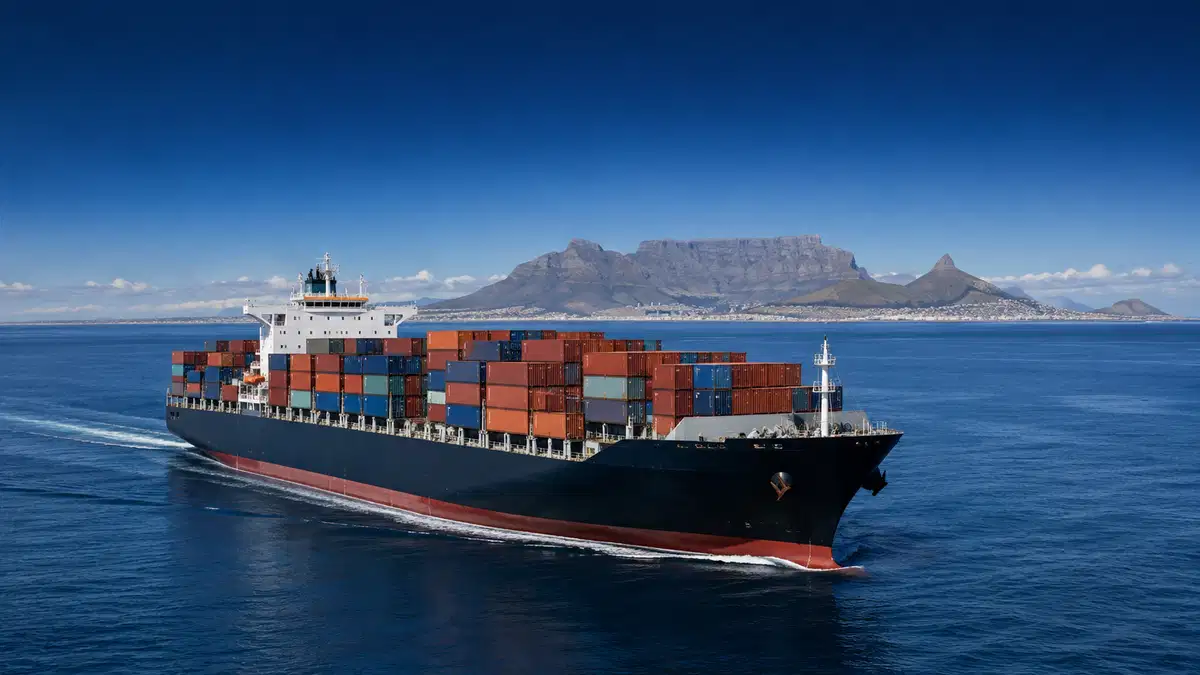
Disruptions affecting Black Sea grain infrastructure have complicated wheat shipments, while insecurity in the Red Sea has forced some vessels to take longer routes around Africa.
These developments can increase freight expenses and extend delivery times, particularly for import-dependent markets.
For food manufacturers, longer transit times can also increase the need for working capital, buffer inventory, and more flexible delivery arrangements.
3. Rising Fuel and Fertilizer Costs
Fuel and fertilizer are important inputs across agricultural production and international distribution.
Higher fuel costs can increase farm operating expenses, transportation charges, and processing costs. Elevated fertilizer prices can also affect planting decisions and the economics of future harvests.
When these costs rise together, the resulting pressure can extend from agricultural production into food processing, packaging, warehousing, and distribution.
4. Currency Weakness
Importers purchasing agricultural commodities in U.S. dollars can face additional cost pressure when their local currencies depreciate.
Even if the dollar-denominated price of a commodity remains unchanged, a weaker purchasing currency can increase the local-currency cost of imported raw materials.
This creates additional uncertainty for food processors operating in import-dependent economies.
Key Market Signals to Watch
The latest market indicators illustrate how supply-chain pressure is developing across agricultural commodities and international logistics.
Indicator | Reported development | Procurement significance |
|---|---|---|
FAO Food Price Index | Reached 136 points in September 2026, its highest level since November 2022 | Signals renewed pressure across internationally traded food commodities |
Wheat prices | Increased by more than 30% during 2026 | Raises raw-material cost exposure for flour, bakery, and other wheat-dependent manufacturers |
Rice prices | Rose by approximately 10–13% in key Asian exporting countries | Increases sourcing uncertainty for rice-importing markets |
Global freight | Rates rose around 50% on some important routes, including Black Sea–Southeast Asia | Increases transportation and landed costs |
Indonesian wheat arrivals | Fell 41% year over year to 491,000 metric tons in September | Illustrates how shipping disruptions can affect industrial raw-material availability |
These figures describe different market indicators and periods; they should not be interpreted as equivalent measures of food inflation. Individual commodity prices and freight rates can move differently depending on origin, destination, contract terms, and product specifications.
How Supply Shocks Affect Food Ingredient Manufacturers
Food ingredient producers and downstream manufacturers may experience supply-chain disruption through several channels.
Raw-Material Costs
Agricultural feedstocks, edible oils, starches, sweeteners, and other commodities can become more expensive when harvests weaken or export availability tightens.
Ingredient Availability
A shortage of a key raw material can constrain production even when a manufacturer has sufficient processing capacity.
Production Planning
Uncertain deliveries can force manufacturers to adjust production schedules, prioritize customer orders, or operate equipment below planned capacity.
Working Capital
Higher purchase prices and longer shipping times can increase the cash required to secure inventory and maintain safety stocks.
Pricing and Margins
Manufacturers may struggle to pass higher input costs to customers immediately, particularly when contracts fix prices for several months.
Customer Commitments
Late deliveries or unexpected ingredient shortages can affect order fulfillment, service levels, and customer relationships.
These effects can be especially challenging when several inputs become more expensive simultaneously.
Why Contract Timing Matters
Procurement timing can influence how quickly commodity-market changes affect manufacturing costs.
The Reuters report notes that some food processors purchasing raw materials under three- to six-month contracts are renewing agreements at higher prices.
This creates a potential mismatch between the cost of new purchases and the selling prices of finished products.
For example, a manufacturer may have committed to supply a customer at a fixed price while its next ingredient shipment arrives under a more expensive contract. Unless the agreement allows price adjustments, the manufacturer may need to absorb some of the increase.
Procurement teams should therefore assess:
Contract renewal dates
Price-adjustment clauses
Supplier quotation validity
Currency exposure
Freight and insurance terms
Minimum purchase commitments
Inventory coverage during replenishment
The objective is not simply to buy before prices rise, but to balance price risk against inventory costs, demand uncertainty, and the possibility of further market changes.
Competitive Intelligence: What Procurement Teams Should Monitor
A structured market-monitoring process can help companies identify emerging supply risks before they affect production.
1. Crop and Harvest Conditions
Track weather forecasts, crop estimates, harvest progress, and production revisions in major sourcing regions.
2. Commodity Prices
Monitor relevant agricultural benchmarks and supplier quotations for the specific raw materials used in production.
3. Freight and Shipping Routes
Watch freight rates, vessel availability, route diversions, port congestion, and transit-time changes.
4. Export Policies
Monitor export restrictions, licensing changes, and other government measures that could limit the availability of agricultural commodities.
5. Currency Movements
Assess exchange-rate changes alongside commodity prices to understand their combined impact on local procurement costs.
6. Supplier Operating Conditions
Track production interruptions, allocation notices, reduced operating rates, and changes in supplier lead times.
7. Inventory and Demand Signals
Monitor stock levels, customer purchasing behavior, and demand from major importing countries.
Combining these indicators provides a more useful picture than relying on a single commodity-price index.
Procurement Strategies for Managing Supply Risk
Food manufacturers cannot control weather, geopolitical developments, or international freight markets. They can, however, improve their ability to respond.
Diversify Qualified Suppliers
Avoid unnecessary dependence on a single supplier or sourcing region where practical. Alternative sources should be qualified for product quality, regulatory requirements, and technical compatibility before an emergency occurs.
Evaluate Total Landed Cost
Compare the complete cost of procurement, including product price, freight, insurance, duties, handling, storage, and financing—not just the supplier's quoted unit price.
Strengthen Supplier Visibility
Maintain regular communication with suppliers regarding inventory, production capacity, lead times, and expected shipment dates.
Review Safety-Stock Policies
Adjust inventory coverage according to demand variability, replenishment lead times, product shelf life, and the commercial consequences of a stockout.
Use Flexible Contract Structures
Where commercially feasible, consider staggered purchasing, scheduled deliveries, alternative freight arrangements, and transparent price-adjustment mechanisms.
Prepare Contingency Plans
Identify substitute suppliers, alternative shipping routes, and technically acceptable ingredient alternatives in advance.
Improve Demand Forecasting
Coordinate procurement with sales, production, and inventory teams to reduce both shortages and excessive inventory accumulation.
No single strategy eliminates supply risk. The most effective approach combines market intelligence, supplier diversification, disciplined inventory management, and regular review of purchasing commitments.
Sustainability and Food Waste Considerations
Supply-chain disruption also reinforces the importance of reducing avoidable food losses.
When agricultural commodities become more expensive or difficult to obtain, losses during storage, processing, and distribution can have a greater financial impact.
Food manufacturers can assess opportunities to:
Improve raw-material handling
Reduce processing losses
Strengthen storage conditions
Optimize production scheduling
Improve shelf-life management
Recover suitable food-processing by-products
Coordinate deliveries to reduce spoilage
Any recovery or reuse initiative must meet the relevant safety and regulatory requirements. Nevertheless, reducing avoidable losses can support both resource efficiency and cost management.
Looking Ahead
The latest Reuters assessment indicates that global food inflation risks could remain elevated into 2027 as weather-related production concerns, geopolitical disruptions, and higher transportation and input costs affect agricultural supply chains.
The outcome will depend on future harvests, shipping conditions, energy prices, fertilizer availability, and the response of major importing and exporting countries. Favorable harvests or improved transport conditions could ease some pressures, while additional disruptions could tighten supplies further.
For food manufacturers and ingredient procurement teams, the priority is to build a sourcing strategy that can respond to changing conditions without compromising product quality, safety, or customer commitments.
Companies that combine timely market intelligence with diversified suppliers, flexible purchasing arrangements, and robust inventory planning will be better equipped to manage food supply-chain volatility.
Key Takeaways
Global food inflation risks are increasing as geopolitical disruptions, weather concerns, and higher input costs affect supply chains.
Wheat, rice, and other agricultural commodities face differing levels of price and availability risk.
Shipping delays, higher freight rates, and weaker currencies can increase the total landed cost of imported ingredients.
Contract renewal timing can affect how quickly market increases flow into manufacturing costs.
Supplier diversification, market monitoring, and contingency planning can improve procurement resilience.
Inventory decisions should balance stockout risk against holding costs, shelf life, and working capital.
Reducing avoidable food losses can support both cost control and sustainability objectives.
Sorbitol Liquid (E420(ii)) CAS: 50-70-4