

Food Ingredient Trends and Forecast in 2026: Insights from Market Reports
The global food ingredients industry is entering 2026 with a stronger focus on protein, fiber, natural formulations, clean labels, sugar reduction and functional nutrition. Food manufacturers are increasingly reformulating products to respond to changing consumer expectations around health, convenience, transparency and nutritional value.
Market research points to continued expansion. According to Mordor Intelligence, the global food ingredients market is estimated at US$319.37 billion in 2026, up from US$306.47 billion in 2025, and is projected to reach approximately US$392.50 billion by 2031, representing a 4.21% CAGR during 2026–2031. Asia-Pacific was the largest regional market, accounting for 34.65% of the market in 2025.
The growth outlook reflects a market where ingredient suppliers are no longer competing only on functionality and price.
Global Food Ingredient Market Outlook for 2026
Food ingredients cover a broad range of products, including sweeteners, starches, flavors, colors, preservatives, proteins, fibers, emulsifiers, enzymes and specialty functional ingredients.
Mordor Intelligence estimates that sweetening ingredients represented 42.37% of the market by product type in 2025, while functional ingredients are forecast to grow at a 5.45% CAGR through 2031. Plant-based ingredients represented 51.03% of the market by source, while natural ingredients accounted for 56.11%.
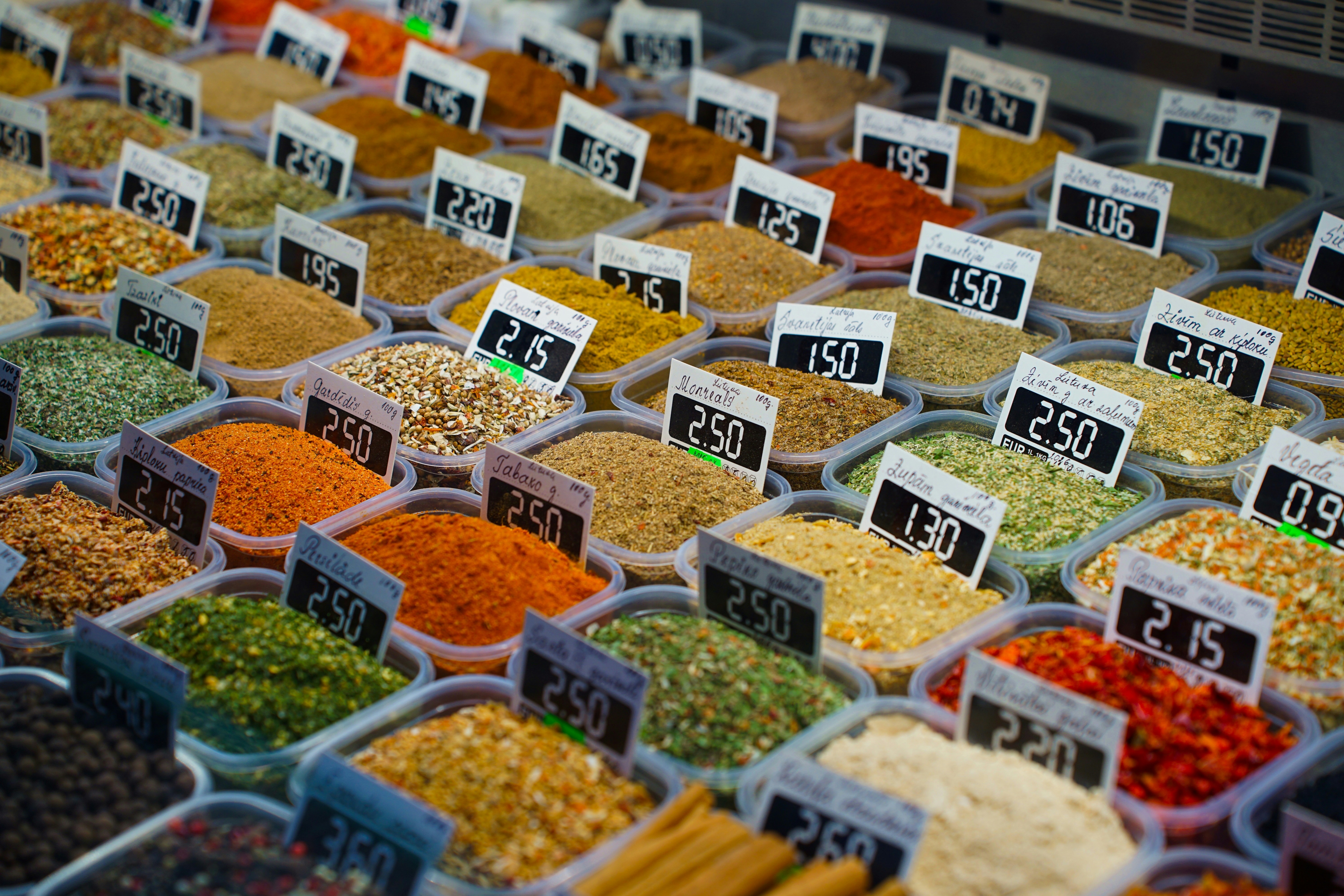
These figures highlight two important developments: conventional high-volume ingredients continue to represent a large share of the industry, while faster-growing specialty categories are creating new opportunities for ingredient manufacturers.
Protein Remains a Major Ingredient Trend
Protein is one of the strongest themes shaping food and beverage innovation in 2026.
Ingredient suppliers and food manufacturers are incorporating protein into products that traditionally contained little or no protein, including snacks, beverages, bakery products and convenient meals.
NielsenIQ's analysis of Expo West 2026 identified a continuing "protein arms race", with protein appearing across savory snacks, pantry products, beverages and indulgent categories. Suppliers are also developing formulations designed to deliver protein without sacrificing taste and texture.
FoodNavigator similarly identified protein as a leading functional ingredient, particularly in products positioned around sports nutrition, healthy ageing, beauty and wellness.
What this means for ingredient suppliers
Demand is expanding beyond traditional whey and sports-nutrition applications. Manufacturers are investigating:
Plant proteins
Dairy proteins
Collagen
Fermentation-derived proteins
Protein-fiber combinations
High-protein snack formulations
Protein-enriched beverages
The challenge is formulation. Increasing protein content can affect flavor, texture, solubility and shelf stability, creating opportunities for suppliers that can provide complete formulation solutions rather than individual ingredients.
Fiber and Gut Health Move Further Into the Mainstream
Fiber has become another major focus of food formulation in 2026.
Innova Market Insights reports that consumers are increasingly using food as a tool for managing health, while protein and fiber are among the nutrients gaining strong attention. Its research identifies oat fiber and inulin/chicory as fast-growing fiber sources in product launches carrying digestive or gut-health claims.
NielsenIQ also highlighted fiber as a major theme at Expo West 2026, with prebiotic beverages, fiber-rich snacks and better-for-you bakery products gaining attention.
This creates opportunities for ingredient companies supplying:
Soluble fiber
Insoluble fiber
Prebiotics
Resistant starch
Inulin
Oat fiber
Fruit and vegetable fibers
The commercial opportunity is particularly strong where fiber can be added without creating undesirable taste, texture or digestive effects.
Functional Ingredients Become More Important
The definition of a food ingredient is changing as consumers increasingly look for products that offer specific health or wellness benefits.
Innova's 2026 ingredient research describes a shift toward ingredients that function as health-oriented building blocks, with consumers increasingly interested in naturalness, enhanced nutrition and functional benefits.
Functional ingredients are appearing in products positioned around:
Gut health
Healthy ageing
Energy
Immunity
Sports recovery
Beauty and skin health
Cognitive wellness
FoodNavigator's 2026 review similarly points to protein, fiber, nootropics and antioxidants as important functional-ingredient categories.
This trend is encouraging ingredient manufacturers to develop combinations that provide several functions within a single formulation.
Clean-Label Ingredients Continue to Gain Ground
Clean-label formulation remains one of the most important structural trends in food ingredients.
Innova reports that 60% of global consumers say they always look at ingredient lists when purchasing products, while naturalness and recognizable ingredients are increasingly important to consumer trust.
A separate market assessment from Fortune Business Insights estimates the global clean-label ingredients market at US$47.91 billion in 2026, rising to US$83.44 billion by 2034 at a projected CAGR of 7.18%.
Clean-label demand is encouraging manufacturers to reconsider:
Artificial colors
Synthetic preservatives
Highly processed ingredients
Long and unfamiliar ingredient lists
Artificial flavors
However, replacing an ingredient is not always straightforward. Manufacturers must maintain the original product's taste, appearance, texture, shelf life and cost.
Sugar Reduction Creates Formulation Opportunities
Sugar reduction continues to influence ingredient innovation.
Mordor Intelligence identifies demand for sugar reduction and healthier reformulation as a significant driver of the global food ingredients market.
Reducing sugar can create technical challenges because sugar contributes more than sweetness. It can affect:
Texture
Moisture retention
Browning
Mouthfeel
Bulk
Preservation
Product structure
This creates opportunities for ingredient systems combining sweeteners, fibers, starches, hydrocolloids and other functional components.
The trend is therefore moving from simply finding a sugar substitute toward developing complete reformulation systems.
Natural Ingredients and Ingredient Transparency
Natural ingredients continue to benefit from consumer interest in recognizable food formulations.
Innova reports that one-third of global consumers associate "made with natural ingredients" claims with healthier indulgent foods.
Natural colors, flavors, starches, sweeteners and plant-derived functional ingredients are therefore becoming increasingly relevant to product developers.
However, natural ingredients can also create supply-chain challenges. Agricultural raw materials are exposed to:
Weather conditions
Crop yields
Seasonal availability
Transportation costs
Geographic concentration
Commodity-price fluctuations
Ingredient manufacturers must therefore balance the consumer appeal of natural formulations with reliable sourcing and consistent quality.
Fermentation Opens New Ingredient Opportunities
Fermentation is becoming an increasingly important technology for ingredient development.
Mordor Intelligence projects microbial-based ingredients to grow at a 5.82% CAGR through 2031, making them one of the faster-growing source categories in its forecast.
Fermentation can support the production of proteins, flavors, enzymes and other specialty ingredients.
It also offers opportunities to develop ingredients that may be difficult or expensive to obtain through conventional agricultural or animal-based production.
As fermentation technologies mature, ingredient suppliers could increasingly compete on both functionality and production efficiency.
Convenience Remains a Fundamental Market Driver
Health trends are important, but convenience continues to underpin food-ingredient demand.
Mordor Intelligence identifies increasing consumption of processed, packaged and convenience foods as a major driver of the food ingredients market, particularly in Asia-Pacific, the Middle East and Africa.
This supports demand for ingredients that improve:
Shelf life
Texture
Stability
Flavor
Reconstitution
Processing efficiency
Product consistency
Ready-to-eat meals, snacks, beverages and convenient bakery products therefore remain important application areas.
Asia-Pacific Holds a Strategic Position
Asia-Pacific represents the largest regional market in Mordor Intelligence's 2026 assessment, accounting for 34.65% of global food ingredient market share in 2025.
The region benefits from:
Large consumer populations
Urbanization
Growing packaged-food consumption
Expanding middle-class demand
Food manufacturing capacity
Increasing interest in functional nutrition
For ingredient suppliers, Asia-Pacific offers significant opportunities but also intense competition.
Local taste preferences, regulatory requirements and price sensitivity can vary considerably between countries. Suppliers entering the region therefore need more than a standardized global formulation strategy.
Food Ingredients and the Changing Consumer
Food manufacturers are increasingly dealing with consumers who want several benefits simultaneously.
Consumers may want a product to be:
High in protein
High in fiber
Low in sugar
Natural
Convenient
Affordable
Sustainable
Pleasant-tasting
This creates a difficult formulation challenge.
Innova describes the future of ingredient innovation as a balance between performance, trust and consumer experience, with ingredient systems increasingly expected to deliver multiple functions.
The most successful suppliers may therefore be those that can help manufacturers solve several formulation problems with one integrated ingredient platform.
2026 Market Trends: What Ingredient Buyers Should Watch
Food manufacturers and ingredient procurement teams should pay particular attention to the following developments during 2026:
Protein diversification
Protein demand is expanding beyond traditional sports nutrition into snacks, beverages, everyday foods and wellness products.
Fiber and prebiotics
Gut-health positioning continues to support demand for fibers and prebiotic ingredients.
Clean-label reformulation
Manufacturers are replacing or reducing ingredients that consumers perceive as artificial or overly complex.
Sugar reduction
Lower-sugar products are creating demand for more sophisticated sweetening and texture systems.
Natural colors and flavors
Natural alternatives continue to gain attention as manufacturers respond to ingredient-transparency expectations.
Fermentation technology
Fermentation is creating new sources of proteins, flavors and specialty ingredients.
Functional nutrition
Consumers increasingly expect food to provide specific benefits beyond basic nutrition.
Affordable health
Economic pressure means that health-oriented products must increasingly balance nutritional value with price.
Recent consumer research also shows that food choices are becoming more personalized. Reuters reported in September 2026 that consumers were increasingly using AI tools to identify snacks based on needs such as protein and fiber, rather than simply searching for specific products.
Outlook for Food Ingredients Beyond 2026
The food ingredients industry is likely to remain a growth market, but future expansion will not be evenly distributed across all ingredient categories.
High-volume ingredients such as sweeteners will continue to represent a major portion of the market, while functional, natural, clean-label and fermentation-derived ingredients are positioned for stronger growth in several applications.
For manufacturers, the central challenge will be reformulation without compromising taste, texture, shelf life or affordability.
For ingredient suppliers, this creates an opportunity to move beyond commodity supply toward technical support, formulation expertise and integrated ingredient systems.
The 2026 market therefore points toward a food industry where ingredients increasingly serve several purposes at once: improving nutritional value, supporting health positioning, maintaining product performance and meeting consumer expectations for recognizable formulations.
Sources:
https://www.mordorintelligence.com/industry-reports/food-ingredients-market?
https://www.innovamarketinsights.com/trends/global-ingredient-trends-2026/?
PP Homopolymer 105G (Injection) - Vietnam CAS: 9003-07-0