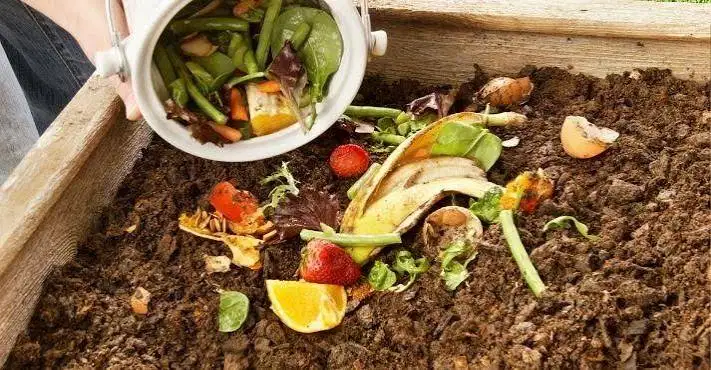
Food processing by-products are increasingly being recognized as valuable raw materials rather than materials destined for disposal. Fruit peels, seeds, vegetable residues, cereal bran, grape pomace, and dairy by-products can contain dietary fiber, proteins, antioxidants, organic acids, and other compounds with potential applications in food manufacturing.
Through suitable extraction, fermentation, drying, and other processing technologies, manufacturers can recover useful components and convert them into functional ingredients, nutritional products, and other value-added materials.
This approach, known as food waste valorisation, supports resource efficiency and circular-economy strategies. It can also create new revenue opportunities for food processors while reducing the amount of usable material lost during production.
However, successful valorisation requires more than identifying valuable compounds. Feedstock quality, processing costs, food safety, regulatory requirements, and commercial scalability all influence whether a promising technology can become a viable industrial process.
What Is Food Waste Valorisation?
Food waste valorisation is the process of converting food waste or underutilized processing by-products into products with economic or functional value.
In food manufacturing, by-products can arise during activities such as juice extraction, fruit and vegetable processing, grain milling, oil production, cheese manufacturing, and beverage production.
Rather than treating every residual stream as waste, manufacturers can evaluate whether it contains recoverable materials suitable for further use.
A typical valorisation pathway follows this sequence:
Food processing → By-product collection → Stabilisation → Extraction or conversion → Ingredient recovery → Formulation and commercial use
The objective is to recover as much useful value as practical while maintaining safety, quality, and economic viability.
Common Sources of Valuable Food By-Products
Different processing streams contain different compounds, making the choice of recovery technology dependent on the original material.
1. Fruit Peels and Pomace
Fruit peels and pomace—the solid material remaining after juice or other fruit products are extracted—can contain dietary fiber, pectin, polyphenols, pigments, and antioxidant compounds.
Potential applications include:
Fiber-enriched food products
Pectin-based ingredients
Natural color and antioxidant extracts
Bakery and snack formulations
Ingredients for selected beverage applications
The composition varies considerably according to fruit species, maturity, processing conditions, and storage.
2. Seeds and Oil-Processing Residues
Seeds and oil-processing by-products can contain proteins, dietary fiber, residual oils, and other useful compounds.
Depending on the source and processing method, recovered materials may be suitable for:
Protein-rich ingredients
Plant-based food formulations
Specialty oils
Fiber enrichment
Other food or non-food applications
Food-grade suitability must be established for each material rather than assumed from its nutritional composition alone.
3. Vegetable Processing Residues
Vegetable leaves, stems, peels, pulp, and other residual streams can contain fiber, pigments, minerals, and bioactive compounds.
Potential applications include vegetable powders, fiber ingredients, natural extracts, and selected food-fortification applications.
Rapid handling and appropriate stabilization are particularly important because fresh vegetable residues can deteriorate quickly.
4. Cereal Bran and Milling By-Products
Cereal processing generates materials such as bran, germ, and other milling fractions that may contain dietary fiber, proteins, minerals, and phenolic compounds.
These materials can be incorporated into suitable food formulations or processed further to recover particular functional components.
Their use depends on nutritional specifications, flavor, texture, stability, and compatibility with the finished product.
5. Dairy By-Products
Dairy processing can generate streams such as whey and other residual fractions containing proteins, lactose, minerals, and other useful components.
Depending on the source and processing conditions, these streams can support the production of:
Whey protein ingredients
Lactose-based ingredients
Dairy-derived functional components
Fermentation substrates
Other value-added food or industrial products
Recovery processes must be selected according to the composition of the stream and the required purity and functionality of the final ingredient.
Technologies Used to Recover Valuable Ingredients
Food waste valorisation can involve several processing technologies, often combined in multiple stages.
1. Extraction
Extraction separates selected compounds from a food by-product using an appropriate solvent or processing medium.
Depending on the material and target compound, methods may include water-based extraction, solvent extraction, or other conventional and emerging techniques.
Extraction conditions affect yield, purity, energy use, and the quality of recovered compounds. Food applications also require careful selection of solvents and processing conditions to meet relevant safety and regulatory requirements.
2. Enzyme-Assisted Processing
Enzymes can help break down structural components in plant materials, making selected compounds easier to release.
For example, appropriate enzymes may help recover pectin, proteins, or other functional fractions from fruit, vegetable, and cereal by-products.
The potential benefits include improved recovery and relatively mild processing conditions. However, enzyme costs, operating conditions, and downstream purification requirements must be considered when evaluating commercial feasibility.
3. Fermentation
Fermentation uses microorganisms to convert suitable organic materials into useful products.
Depending on the feedstock and microorganism, fermentation may produce organic acids, enzymes, microbial biomass, or other compounds with food, feed, or industrial applications.
Its suitability depends on the availability of consistent feedstock, contamination control, process performance, and the economics of product recovery.
4. Drying and Stabilisation
Many food by-products contain substantial moisture, which can encourage microbial growth and reduce storage stability.
Stabilisation methods may include drying, chilling, freezing, or other suitable treatments.
Drying can improve handling and storage while preparing the material for further extraction or incorporation into a food formulation. However, excessive heat or unsuitable processing conditions can degrade sensitive compounds.
5. Fractionation and Purification
Some applications require separating a complex mixture into more specific components.
Fractionation and purification can improve the concentration, consistency, and functionality of recovered ingredients. These steps may also increase capital requirements, energy consumption, processing time, and overall cost.
Consequently, a highly purified ingredient is not automatically the most sustainable or commercially attractive option.
From By-Products to Functional Food Ingredients
The commercial objective is not simply to recover compounds, but to create ingredients that meet a defined manufacturing need.
Recovered materials may offer several types of functionality.
Dietary Fiber
Fiber-rich fractions can be evaluated for applications involving texture, formulation, or fiber enrichment, provided that their sensory properties and nutritional specifications meet the product requirements.
Proteins
Protein-containing by-products may offer opportunities for food fortification or specialized formulations. Processing must address protein quality, functionality, allergen considerations, and other relevant safety requirements.
Antioxidants and Polyphenols
Selected plant-processing residues contain compounds that can be recovered for further evaluation in food formulations. Their stability, concentration, sensory effects, and permitted use must be assessed.
Pectin and Other Polysaccharides
Certain fruit residues can provide pectin and related materials with potential thickening, gelling, or stabilizing functions.
Organic Acids and Fermentation Products
Suitable by-product streams can serve as feedstocks for fermentation or other conversion processes that produce useful compounds. Commercial applications depend on product purity, specifications, and regulatory status.
The functionality of each recovered ingredient should be demonstrated in the intended food matrix rather than inferred from laboratory extraction results alone.
Market Implications
Food waste valorisation can create opportunities across ingredient manufacturing, food processing, biotechnology, and sustainable production.
Potential market implications include:
New revenue streams from processing residues
Greater utilization of existing raw materials
Development of functional and fiber-rich ingredients
Increased demand for extraction and fermentation technologies
Opportunities for specialized ingredient suppliers
Reduced disposal requirements for suitable residual streams
Greater collaboration between food processors and ingredient manufacturers
Commercial success will depend on whether recovered ingredients deliver consistent performance at a competitive cost.
Manufacturers must also consider whether sufficient quantities of suitable feedstock are available throughout the year and whether the recovered product has a reliable market.
Sustainability and the Circular Economy
Valorisation can support a circular economy by keeping useful materials in productive use and reducing the need to discard potentially valuable resources.
However, using a by-product does not automatically guarantee a lower environmental impact.
The full process may require additional water, energy, solvents, enzymes, transportation, and purification. These inputs can offset some of the benefits if the recovery route is poorly designed.
A robust sustainability assessment should consider:
The amount of waste diverted from disposal
Recovery yield and product quality
Energy and water consumption
Solvent use and recovery
Transportation and storage requirements
The value of co-products and remaining residues
The environmental impact of alternative disposal or recovery routes
Where technically and economically feasible, cascading use—recovering higher-value components first and then utilizing remaining material for other suitable applications—can help improve overall resource efficiency.
Challenges to Commercial Scale-Up
Despite the potential, many valorisation technologies face challenges when moving from laboratory research to commercial production.
1. Feedstock Variability
By-product composition can change with season, crop variety, growing conditions, and processing methods. This makes consistent ingredient production more difficult.
2. Perishability
Moisture-rich residues can deteriorate rapidly, requiring prompt collection, stabilization, and processing.
3. Processing Costs
Extraction, drying, purification, and quality testing can make the final ingredient expensive relative to established alternatives.
4. Product Consistency
Food manufacturers need reliable specifications for composition, flavor, color, texture, purity, and functional performance.
5. Food Safety
Microbiological contamination, chemical residues, allergens, and other hazards must be controlled through appropriate procedures.
6. Regulatory Approval
The recovered ingredient must meet the applicable requirements for its intended use and target market. A substance's presence in a food by-product does not automatically mean that the recovered fraction is authorized for every food application.
7. Market Acceptance
Manufacturers must demonstrate that the ingredient performs reliably, meets customer expectations, and offers sufficient value to justify adoption.
Addressing these challenges early can reduce the risk of investing in processes that are technically successful but commercially uncompetitive.
Competitive Intelligence
Companies evaluating food waste valorisation should monitor several indicators.
Technology Development
Track advances in extraction, fermentation, enzyme-assisted processing, stabilization, and ingredient formulation.
Commercial Demonstration
Look for evidence that a technology has progressed beyond laboratory trials into pilot or industrial production.
Feedstock Availability
Assess the quantity, seasonality, composition, and geographic concentration of potential raw materials.
Ingredient Demand
Monitor demand for dietary fiber, plant proteins, pectin, natural extracts, and other functional ingredients.
Regulatory Readiness
Check the applicable requirements for ingredient safety, permitted use, labeling, and documentation in each target market.
Economics and Sustainability
Compare production costs, recovery yields, energy use, and environmental impacts against conventional ingredients and alternative waste-management routes.
These indicators help distinguish commercially promising projects from concepts that still require substantial development.
Procurement Considerations
Food ingredient buyers should evaluate valorised ingredients using the same commercial discipline applied to conventional materials, while paying particular attention to feedstock variability and processing controls.
Procurement teams should:
Request detailed product specifications and certificates of analysis.
Assess batch-to-batch consistency.
Confirm food-safety controls and traceability.
Verify regulatory suitability for the intended application.
Evaluate supplier capacity and seasonal availability.
Review storage, packaging, and shelf-life requirements.
Conduct trials within the intended formulation.
Compare total landed costs with conventional alternatives.
Assess supplier contingency plans and continuity of supply.
Where a recovered ingredient becomes part of a critical formulation, qualifying alternative suppliers or establishing suitable inventory policies may help reduce supply disruption.
Looking Ahead
Food waste valorisation is creating new opportunities to connect food processing, ingredient innovation, and circular-economy practices.
Fruit peels, seeds, vegetable residues, cereal by-products, and dairy streams can provide valuable starting materials for functional ingredients and other value-added products. Yet the most successful solutions will be those that combine effective recovery with consistent quality, safe processing, regulatory compliance, and commercially viable economics.
For food processors and ingredient suppliers, the priority is to identify residual streams that can be converted into products with a clear functional purpose and a reliable market.
As processing technologies mature, the ability to turn underutilized resources into dependable, specification-driven ingredients may become an increasingly important source of operational efficiency and product innovation.
Key Takeaways
Food processing by-products can contain useful fiber, proteins, pectin, antioxidants, and other functional compounds.
Extraction, fermentation, enzyme-assisted processing, drying, and purification can convert suitable residual streams into value-added ingredients.
Feedstock variability, perishability, processing costs, and food safety remain important commercialization challenges.
Valorisation can support circular-economy objectives, but its environmental benefits should be assessed across the full process.
Regulatory suitability and ingredient functionality must be verified for the intended food application.
Procurement teams should evaluate traceability, consistency, capacity, specifications, and total landed costs.
Commercially successful valorisation depends on matching the recovered ingredient to a clear customer need.
Sources
https://pmc.ncbi.nlm.nih.gov/articles/PMC9602028/
Xanthan Gum (E415) CAS: 11138-66-2