1. Overview of Rajasthan Guar Crop
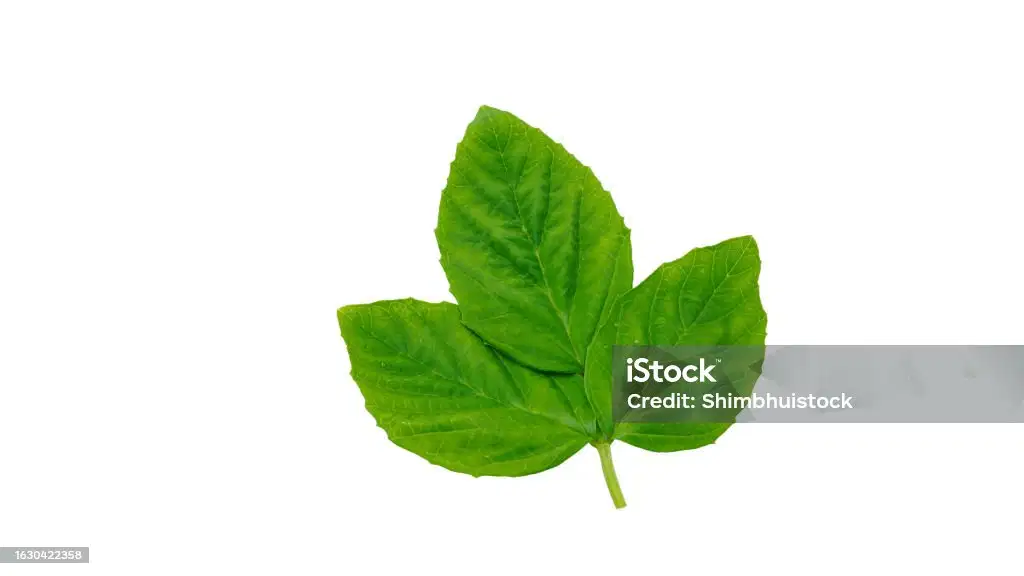
Guar gum, extracted from the seeds of the Cyamopsis tetragonoloba plant, is a key raw material in industries ranging from food additives to oil drilling fluids. Rajasthan dominates global guar production, contributing roughly 70% of worldwide output. The state’s arid climate, coupled with a well‑defined monsoon season, creates a distinct agricultural calendar that procurement professionals must navigate to ensure timely sourcing and mitigate price swings.
2. Monsoon Moisture and Crop Development
The monsoon, arriving between late June and early July, is the lifeblood of the guar crop. Adequate rainfall during the vegetative stage determines seed set, while post‑flowering moisture levels influence kernel maturity. A delayed monsoon or excessive drier spells can compress the growth window, leading to smaller seed kernels and a lower overall yield. Conversely, optimal moisture during the grain filling phase boosts both quantity and quality, often translating into premium market prices.
Key Monsoon Indicators for Procurement
Rainfall intensity – measured in mm per month; thresholds above 200 mm during July typically signal a robust season.
Relative humidity – high humidity (>70%) during early growth reduces foliar disease risk.
Temperature trends – cooler nights (<15°C) during seed ripening enhance seed hardness.
3. Agronomic Cycle Stages
Understanding the five primary stages of guar development—sowing, seedling, vegetative, reproductive, and harvest—enables procurement teams to forecast supply windows accurately. Each stage carries distinct agronomic risks that can ripple through the supply chain:
Sowing (May–June) – selection of high‑yield hybrids and optimal seed density directly affect stand establishment.
Seedling (June) – early weed pressure and soil moisture deficits can reduce plant vigor.
Vegetative (July–August) – critical period for canopy development; inadequate moisture can trigger drought stress.
Reproductive (September) – flowering depends on adequate pollination; irregular weather can cause floral abortion.
Harvest (October–November) – timing hinges on seed maturity; early harvest risks under‑ripe seeds, while delayed harvest exposes seeds to post‑harvest rot.

Interpreting Supply News with Analytical Depth
Instead of waiting for official final yield numbers, procurement teams can use real-time agronomic signals to anticipate market movements. When you review reports throughout the growing season, look for specific indicators of environmental stress versus potential abundance.
Excessive Humidity: Watch for reports of fungal diseases like Alternaria leaf spot, which thrives in high-humidity conditions. This can signal yield loss even when rainfall totals appear favorable.
Arrival Cycles: Understanding that peak arrivals at processing centers occur between November and February allows you to time your contract renewals. Trying to secure volume during the lean arrival months of May and June often exposes you to higher price volatility and tighter availability.
Oilfield Correlation: Since the oil and gas industry is the primary consumer of guar gum, monitor drilling activity alongside crop conditions. A bumper crop in Rajasthan can lead to price softening if oilfield demand remains stagnant, or it can be absorbed rapidly if shale gas extraction activity rises globally.
Structuring Your Procurement Framework
Effective sourcing requires building a bridge between your desk and the fields of Rajasthan. Do not rely solely on the price of the finished gum; track the local seed prices and monsoon progress reports from the start of the Kharif season.
Prioritize suppliers who can demonstrate direct farmer engagement or those who maintain robust storage infrastructure in the key districts. These partners are better equipped to navigate the supply fluctuations that define this arid-zone commodity. By treating guar gum as a seasonal agricultural asset rather than just an industrial chemical, you secure a competitive advantage in both cost management and long-term reliability. Ready to source Guar Gum from verified global suppliers? Explore competitive offers on our platform today.
Xanthan Gum (E415) CAS: 11138-66-2