
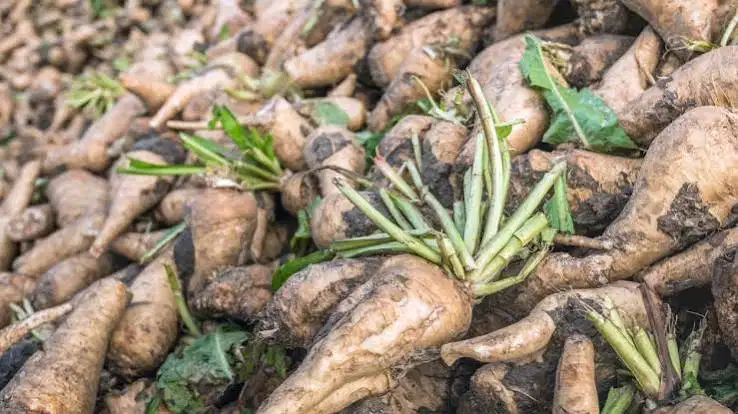
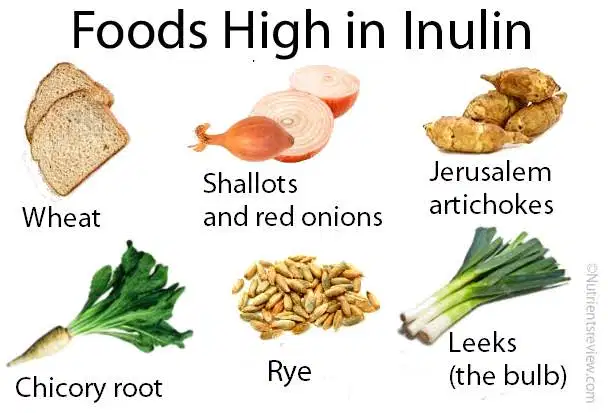
Inulin is a naturally occurring dietary fiber found in plants such as chicory roots, Jerusalem artichoke, and dahlia. It is used in food manufacturing to increase dietary fiber content and modify texture, moisture retention, and mouthfeel.
Beyond its nutritional role, inulin can function as a fat replacer, a bulking ingredient, a viscosity modifier, and a prebiotic fiber. These properties make it useful in bakery products, dairy foods, beverages, confectionery, and other formulations designed to improve nutritional profiles while maintaining acceptable product quality.
However, inulin does not perform identically in every food system. Its functionality depends on factors such as chain length, concentration, solubility, processing conditions, and interactions with other ingredients.
For food manufacturers, ingredient suppliers, and procurement teams, understanding these characteristics is essential when developing fiber-enriched products that meet consumer expectations for taste, texture, stability, and affordability.
What Is Inulin?
Inulin is a type of fructan, a carbohydrate composed primarily of fructose units. Commercial inulin is commonly extracted from chicory roots, although other plant sources are also available.
Because it is not digested in the small intestine in the same way as conventional sugars, inulin contributes dietary fiber to the diet. It can also be fermented by intestinal microorganisms, which explains its classification as a prebiotic ingredient.
Its functional characteristics vary with molecular structure and chain length.
Key properties include:
Dietary fiber enrichment: Increases the fiber content of suitable food products.
Fat replacement: Can help create creamy or fat-like mouthfeel in selected formulations.
Texture modification: Influences viscosity, firmness, and product structure.
Moisture management: Can support water retention in certain foods.
Bulking: Contributes solids when reformulating products with reduced sugar or fat.
Prebiotic functionality: Can be selectively fermented by intestinal microorganisms.
These functions make inulin a versatile ingredient for nutritional and technological reformulation.
Why Inulin Matters in Food Formulation
Food manufacturers increasingly face the challenge of improving nutritional composition without compromising taste, texture, or processing performance.
Reducing fat or sugar can affect several characteristics of a finished product. Fat contributes creaminess and lubrication, while sugar provides sweetness, bulk, moisture control, and structural effects.
Inulin can help address some of these challenges by contributing fiber and modifying the physical properties of selected formulations.
Potential applications include:
Increasing dietary fiber content
Reducing the amount of fat in suitable products
Improving creaminess and mouthfeel
Supporting moisture retention
Modifying viscosity and structure
Developing products with prebiotic fiber
The degree of improvement depends on the product and the amount and type of inulin used. Reformulation should therefore be guided by product-specific trials rather than a universal substitution ratio.
Key Applications Across Food Categories
1. Bakery Products
Inulin is used in bread, cookies, cakes, biscuits, pastries, and other baked products to increase fiber content and influence texture.
Its interaction with water can affect dough handling, moisture retention, and the structure of the finished product. Depending on the formulation, inulin may also help replace some of the bulk associated with conventional ingredients.
Potential benefits include:
Increased dietary fiber content
Improved moisture retention
Changes in crumb softness and texture
Modified dough and batter properties
Opportunities for reduced-fat formulations
However, excessive inclusion can affect dough consistency, product volume, firmness, or sensory acceptance. Baking conditions and the type of inulin used can also influence its stability.
Manufacturers should evaluate texture, moisture, flavor, and storage performance throughout the product's intended shelf life.
2. Dairy Products
Dairy products are an important application area for inulin because it can contribute creaminess and modify texture.
Potential applications include:
Yogurt
Ice cream
Milk-based beverages
Cheese products
Dairy desserts
Reduced-fat spreads and related products
In selected formulations, inulin can help compensate for some of the mouthfeel lost when fat is reduced.
Its effectiveness depends on the dairy matrix, protein content, processing conditions, and the type and concentration of inulin.
Product developers should evaluate viscosity, creaminess, firmness, water separation, and sensory acceptance. Results from one dairy product should not automatically be applied to another.
3. Beverages
Inulin can be incorporated into selected beverages to increase dietary fiber content and modify body or mouthfeel.
Applications may include:
Fiber-enriched drinks
Dairy-based beverages
Smoothies
Thickened beverages
Selected functional drinks
Its suitability depends on solubility, concentration, acidity, processing conditions, and interactions with other ingredients.
Formulation teams should assess clarity or opacity, viscosity, sedimentation where relevant, flavor, and physical stability during storage.
The amount that can be incorporated without producing an undesirable texture will vary by product.
4. Confectionery and Sweet Products
Inulin can be used in selected confectionery and sweet formulations to increase fiber content or replace some of the bulk provided by sugar or fat.
Potential applications include:
Fiber-enriched sweets
Selected chocolates and fillings
Reduced-sugar confectionery
Dessert components
Sweet spreads
Inulin's effect on sweetness, texture, and structure depends on its chain length and the other ingredients in the formulation.
Because inulin is not as sweet as conventional sugar, it generally cannot replace sugar's sweetness contribution on its own. Additional sweeteners or formulation adjustments may be needed.
5. Plant-Based Foods
Inulin is also relevant to plant-based product development, where manufacturers may need to recreate the creaminess, body, or texture commonly associated with dairy fat.
Potential applications include:
Plant-based yogurt alternatives
Non-dairy desserts
Plant-based spreads
Selected meat alternatives
Dairy-free beverages
Its ability to modify texture and contribute fiber can support product development, although results depend on the plant proteins, fats, stabilizers, and other ingredients used.
Testing is necessary to establish suitable inclusion levels and ensure that the finished product maintains acceptable sensory characteristics.
Inulin as a Fat Replacer
Fat contributes more than energy to food. It also influences creaminess, lubrication, flavor release, and structural properties.
When fat is reduced, a product may become less creamy, more watery, or less satisfying in texture.
Inulin can help compensate for some of these changes. Under suitable conditions, certain inulin formulations can form gel-like structures that contribute a creamy or fat-like mouthfeel.
Potential applications include:
Reduced-fat yogurt
Ice cream
Dairy desserts
Spreads
Selected bakery products
Sauces and fillings
The outcome depends on the inulin type, concentration, and formulation process. Inulin should not be assumed to replace all the functional properties of fat, and it does not necessarily produce the same flavor release or melting behavior.
Manufacturers should compare the reformulated product with its conventional counterpart using both technical measurements and sensory testing.
Inulin as a Dietary Fiber Enrichment Ingredient
Inulin can increase the dietary fiber content of food products while also contributing technological functionality.
This makes it useful for manufacturers developing products that combine nutritional enrichment with texture modification.
However, the amount of inulin added must be balanced against sensory quality, formulation performance, and consumer tolerance.
Important considerations include:
Fiber content per serving
Serving size and expected consumption
Product texture and taste
Processing stability
Applicable nutrition-labeling rules
Permitted nutrition and health claims
Any statement about fiber content, digestive health, or prebiotic effects should be supported by appropriate evidence and comply with the regulations of the target market.
Prebiotic Functionality
Inulin can be fermented by intestinal microorganisms and may support selected beneficial microbial populations. The resulting effects depend on the amount consumed, the individual's diet and gut microbiota, and other physiological factors.
Food manufacturers should avoid treating prebiotic functionality as a guarantee of a particular health outcome. Product claims should be carefully reviewed and substantiated.
Choosing the Right Inulin Type
Inulin is not a single, uniform material. Commercial products can differ in chain length, solubility, and other physicochemical characteristics.
These differences influence how the ingredient behaves during processing and in the finished food.
Shorter-Chain Inulin
Shorter-chain fractions tend to be more soluble and may contribute some sweetness. Their behavior can make them suitable for selected beverage and sweetened food applications.
Longer-Chain Inulin
Longer-chain inulin can provide stronger structuring and gel-like functionality under suitable conditions. This may make it useful in selected fat-replacement and texture-modification applications.
These are general tendencies rather than absolute rules. Commercial grades can vary, and the best choice depends on the intended application and supplier specifications.
Manufacturers should evaluate solubility, viscosity, gel formation, moisture interaction, and sensory performance before selecting a grade.
Formulation Challenges and Sensory Considerations
Although inulin offers multiple functional benefits, high inclusion levels can create formulation challenges.
1. Texture Changes
Excessive inulin may make some products too firm, dense, dry, or otherwise different from the intended texture.
2. Solubility and Dispersion
The ingredient's solubility depends on its type and the processing conditions. Poor dispersion can create inconsistent texture or processing difficulties.
3. Moisture Interactions
Inulin can influence water retention and the physical structure of food. The outcome depends on the formulation and storage conditions.
4. Sweetness and Flavor
Inulin is not equivalent to sugar in sweetness. Reformulated products may require additional adjustments to maintain the intended flavor profile.
5. Gastrointestinal Tolerance
Because inulin is fermentable, high intake can cause gas, bloating, or other gastrointestinal discomfort in some people. Tolerance varies between individuals and depends on the amount consumed.
6. Processing Stability
Heat, acidity, and other processing conditions can affect inulin's functional properties. Manufacturers should confirm that the selected grade remains suitable throughout production and storage.
Controlled formulation trials can help establish appropriate inclusion levels and minimize these risks.
Quality and Regulatory Considerations
Before using inulin commercially, manufacturers should verify that the selected ingredient meets the specifications and regulatory requirements of the intended application.
Important considerations include:
Food-grade purity and specifications
Supplier quality systems
Certificate of analysis
Batch-to-batch consistency
Microbiological and contaminant requirements, where applicable
Production source and traceability
Packaging and storage conditions
Nutrition-labeling requirements
Applicable food-additive and health-claim regulations
Regulatory definitions and labeling treatment of dietary fiber can vary by jurisdiction. Manufacturers should confirm current requirements in each target market, particularly when making fiber, prebiotic, or digestive-health claims.
Market Implications
Interest in fiber-enriched foods and nutritional reformulation creates opportunities for functional ingredients such as inulin.
Potential application areas include:
Fiber-enriched bakery products
Reduced-fat dairy products
Functional beverages
Plant-based alternatives
Reduced-sugar desserts
Specialty confectionery
Nutritionally enhanced foods
Commercial success depends on more than nutritional positioning. Manufacturers must also consider ingredient cost, product quality, processing requirements, consumer acceptance, and supply reliability.
Suppliers that provide consistent specifications and useful technical documentation can help manufacturers accelerate product development and manage formulation risk.
Competitive Intelligence
Companies evaluating inulin and other dietary fibers should monitor several indicators.
Product Innovation
Track launches of fiber-enriched foods, reduced-fat products, and plant-based formulations.
Technical Developments
Monitor new grades, gel-forming applications, and ingredient combinations designed to improve texture.
Consumer Acceptance
Assess demand for fiber enrichment alongside expectations for taste, mouthfeel, and digestive tolerance.
Regulatory Developments
Review changes in dietary-fiber definitions, nutrition labeling, and permitted health claims.
Supplier Capabilities
Compare ingredient specifications, quality assurance, production capacity, and technical support.
These indicators can help companies identify commercially viable opportunities in functional food formulation.
Procurement Considerations
Procurement teams sourcing inulin should evaluate the ingredient according to the functional requirements of the finished product.
Key criteria include:
Inulin type and chain-length characteristics
Required purity and food-grade specifications
Solubility and functional performance
Supplier quality systems
Certificate of analysis and technical documentation
Regulatory suitability
Packaging and storage requirements
Lead times and supply continuity
Total landed cost
Availability of qualified alternative suppliers
Collaboration between procurement, research and development, quality assurance, and regulatory teams can help ensure that the selected ingredient meets both technical and commercial requirements.
Looking Ahead
Inulin offers food manufacturers a combination of nutritional and technological functionality. It can increase dietary fiber content while helping modify texture, moisture retention, creaminess, and structure in selected products.
Its value is particularly relevant to bakery, dairy, beverage, confectionery, and plant-based formulations where manufacturers want to improve nutritional composition without sacrificing product quality.
However, the best results depend on selecting the appropriate grade, optimizing inclusion levels, and validating the finished product through sensory, stability, and regulatory assessment.
The commercial opportunity lies in delivering fiber-enriched foods that remain appealing, consistent, safe, and economically viable.
Key Takeaways
Inulin is a plant-derived dietary fiber commonly sourced from chicory roots.
It can increase fiber content and provide prebiotic functionality in suitable formulations.
Applications include bakery products, dairy foods, beverages, confectionery, and plant-based products.
Inulin can act as a fat replacer, bulking ingredient, and texture modifier in selected applications.
Chain length, concentration, solubility, and processing conditions influence performance.
Excessive intake may cause gastrointestinal discomfort in some individuals.
Procurement teams should prioritize ingredient specifications, supplier consistency, regulatory suitability, and technical support.
Sources
https://pmc.ncbi.nlm.nih.gov/articles/PMC9449745/
Sorbic Acid (E200) CAS: 110-44-1