The vanillin market enters the second half of 2026 with far more certainty than buyers experienced during the first six months of the year. Supply conditions have improved across several production routes, freight costs have eased and manufacturers now have greater confidence when negotiating medium-term supply agreements.
Food manufacturers, beverage producers and flavour houses face a different purchasing decision than in previous years. Instead of focusing only on price, procurement teams now evaluate supply security, regulatory compliance, sustainability targets and consumer labeling expectations before selecting synthetic vanillin, bio-based vanillin or natural vanilla extract.
Why H2 2026 Looks Different for Vanillin Buyers
Several developments have reshaped the market heading into H2 2026.
Synthetic vanillin manufactured through the guaiacol route remains well supplied, particularly from Chinese producers. Production has stayed consistent despite geopolitical concerns affecting some shipping routes because the primary supply chain has not experienced significant raw material disruption.
Bio-based vanillin has also entered a new commercial phase. Production capacity continues to expand, allowing suppliers to narrow the traditional price gap between bio-based and synthetic grades.
Natural vanilla extract tells a different story. Weather challenges affecting Madagascar's recent harvest continue to restrict supply, keeping spot prices elevated despite broader improvements in international freight markets.
Understanding the Three Procurement Options
Buyers now evaluate three distinct sourcing strategies depending on their commercial priorities.
Synthetic vanillin
Synthetic material remains the most economical choice for large-scale food production.
Its advantages include:
Stable production capacity with dependable year-round availability.
Consistent product quality across production batches.
Competitive pricing that supports high-volume manufacturing.
Strong regulatory acceptance across major international markets.
Bio-based vanillin
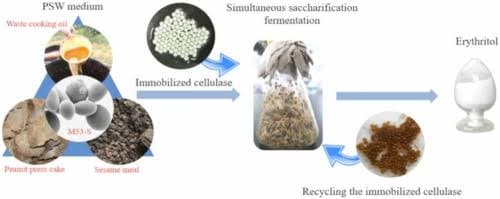
Bio-based production commonly uses ferulic acid obtained from agricultural sources such as rice bran.
This route offers several commercial benefits.
Manufacturers can support products carrying natural positioning where regulations permit.
Supply volumes continue to expand as commercial facilities increase production.
Price premiums continue to narrow compared with synthetic alternatives.
Sustainability initiatives often favor renewable feedstocks.
Natural vanilla extract
Natural vanilla remains the premium flavoring option.
Its advantages include authentic flavor complexity and strong clean-label appeal. However, procurement teams must accept considerably higher costs and greater exposure to agricultural production risks.
How Price Dynamics Have Shifted in H2 2026
Pricing across the three product categories now reflects supply maturity rather than widespread shortages.
Synthetic vanillin prices remain broadly stable. Chinese manufacturing capacity comfortably meets current global demand, preventing major price volatility during contract negotiations.
Bio-based vanillin continues moving toward greater price competitiveness. As production scales commercially, manufacturers achieve better economies of scale, allowing suppliers to reduce premiums without sacrificing margins.
Natural vanilla prices remain disconnected from these improvements. Agricultural production cycles and weather conditions continue to dominate pricing rather than manufacturing efficiency.
For buyers negotiating annual contracts, this creates a more predictable cost structure for synthetic and bio-based products while natural vanilla remains significantly more volatile.
Chinese Production Continues to Shape Global Supply
China remains the dominant supplier of synthetic vanillin and increasingly important in bio-based production.
Several factors strengthen its position.
Large integrated manufacturing facilities improve production efficiency.
Mature export infrastructure supports dependable international shipments.
Competitive manufacturing costs help stabilize export pricing.
Expanding investment in fermentation and renewable feedstocks supports bio-based growth.
European producers also continue investing in bio-based vanillin, particularly for customers prioritizing sustainability certifications and premium food applications.
Although European volumes remain smaller than Chinese production, they contribute to supplier diversification for multinational buyers.
Freight Costs Create Additional Savings
Lower freight costs during July provide another positive development for procurement teams.
Ocean freight improvements reduce delivered costs for both synthetic and bio-based vanillin because these products primarily move through established container shipping networks.
Natural vanilla benefits less from freight reductions.
Many premium vanilla products continue to rely on air freight to preserve quality and reduce transit time. As a result, transportation savings remain relatively limited compared with manufactured vanillin products.
This difference further improves the competitiveness of synthetic and bio-based options during H2 procurement negotiations.
Compliance and Labeling Considerations
Regulatory compliance continues influencing ingredient selection alongside pricing.
Synthetic vanillin remains suitable for a wide range of food and beverage applications where regulations permit artificial or nature-identical flavorings.
Bio-based vanillin attracts increasing attention because manufacturers seek ingredients supporting natural marketing claims while maintaining manageable production costs.
Procurement professionals should evaluate:
Ingredient origin documentation supplied by manufacturers.
Country-specific labeling regulations.
Customer specifications regarding natural claims.
Food safety certifications.
Product traceability throughout the supply chain.
Meeting these requirements early reduces compliance risks during product launches.
Sustainability Continues to Influence Purchasing Decisions
Corporate sustainability goals increasingly affect flavor ingredient sourcing.
Bio-based vanillin aligns well with environmental strategies because renewable agricultural feedstocks replace petrochemical raw materials during production.
This does not automatically make synthetic vanillin unsuitable.
Modern synthetic production often delivers excellent manufacturing efficiency, predictable quality and lower waste generation through optimized industrial processes.
Buyers increasingly compare suppliers using broader sustainability metrics including:
Energy efficiency.
Carbon footprint.
Responsible sourcing practices.
Waste management.
Environmental certifications.
This wider evaluation creates opportunities for both synthetic and bio-based producers.
Which Industries Drive Vanillin Demand?
Demand remains diversified across several industries.
Food manufacturers continue representing the largest customer group, using vanillin in bakery products, confectionery, dairy products and beverages.
Additional demand comes from:
Nutritional supplement manufacturers seeking flavor enhancement.
Pharmaceutical companies improving product taste.
Fragrance manufacturers producing perfumes and personal care products.
Specialty food producers developing premium formulations.
Each industry values different purchasing priorities, making supplier flexibility increasingly important.
Market Outlook Through 2027
Current market indicators suggest continued stability for synthetic vanillin through much of 2027 unless unexpected raw material disruptions emerge.
Bio-based production should continue expanding as manufacturers invest in additional capacity and process improvements. Higher production volumes may reduce price premiums even further while improving global availability.
Natural vanilla will likely remain the least predictable segment.
Future harvest quality, climate conditions and agricultural productivity will continue determining market direction more than industrial production factors.
Procurement managers should therefore expect three distinct pricing environments rather than one unified vanillin market.
What Buyers Should Do Now
H2 2026 presents an opportunity for procurement teams to secure supply under more predictable market conditions.
Organizations focused primarily on cost efficiency will likely find synthetic vanillin the strongest commercial choice because of stable pricing, dependable availability and established regulatory acceptance.
Companies seeking stronger sustainability positioning or natural ingredient claims may justify the moderate premium associated with bio-based vanillin as commercial production continues expanding.
Natural vanilla remains appropriate for premium brands where authentic flavor and clean-label positioning outweigh higher procurement costs and agricultural supply risks.
Rather than selecting one option universally, many manufacturers now build flexible sourcing strategies that combine multiple ingredient types across different product portfolios. This approach reduces commercial risk while matching ingredient selection to customer expectations and product positioning.
Ready to source vanillin from verified global suppliers? Explore competitive offers on our platform today.
Vanillin CAS: 121-33-5