Pectin helps food manufacturers turn fruit ingredients into jams, jellies and fruit preparations with the texture consumers expect. This plant-derived polysaccharide acts as a gelling agent, allowing manufacturers to control firmness, spreadability and consistency through careful formulation and processing.
For chemical traders, food ingredient distributors and procurement managers, pectin represents an important specialty ingredient in the fruit processing industry. Its performance depends on the pectin type and the conditions under which manufacturers use it, particularly acidity and sugar concentration.
Manufacturers must select the right grade for each application rather than treating all pectin products as interchangeable. Buyers who understand its functionality can evaluate supplier specifications more effectively, reduce formulation challenges and support consistent production across different fruit-based products.
What Is Pectin and Why Does It Matter in Food Processing?
Pectin is a naturally occurring polysaccharide found in the cell walls of plants, especially fruits. Commercial food manufacturers use it primarily as a gelling agent, although its contribution to texture and product stability also makes it valuable in various fruit-based formulations.
Citrus peels and apple pomace serve as common raw materials for commercial pectin production. Manufacturers extract the pectin from these plant materials and process it into an ingredient suitable for food applications.
Its commercial value comes from its ability to create structured gels under appropriate formulation conditions. Instead of relying entirely on the natural properties of fruit, manufacturers can use pectin to achieve more predictable texture in processed products.
Pectin also helps food processors adapt recipes to different fruit varieties and production requirements. Natural fruit composition varies, so a carefully selected pectin grade can help manufacturers maintain a consistent finished product.
For ingredient buyers, the key consideration is functionality rather than simply the presence of pectin on a specification sheet. The ingredient must suit the recipe, processing conditions and texture targets of the final product.
How Pectin Creates the Desired Texture in Jams and Jellies
Pectin forms a network that helps hold water and other components within a gel structure. The strength and formation of this network depend on the pectin type and the chemical environment of the food formulation.
Sugar concentration and acidity play particularly important roles in conventional high-sugar fruit products. Manufacturers adjust these conditions to support gel formation and achieve the desired consistency.
Different pectin types respond differently to formulation conditions. High-methoxyl pectin generally requires sufficient soluble solids and an appropriate acidic environment, while low-methoxyl pectin can form gels through interactions with calcium ions.
These differences give food manufacturers flexibility when developing products with varying sugar levels and texture requirements. However, a grade designed for a traditional high-sugar jam may not deliver the same results in a reduced-sugar fruit preparation.
Several formulation factors influence pectin performance:
Pectin type: The molecular characteristics of the grade determine the conditions required for effective gel formation.
Acidity: The formulation's pH affects the interactions that support gel development.
Sugar concentration: Soluble solids influence gel formation in many conventional pectin systems.
Calcium availability: Calcium ions play an important role in gel formation with suitable low-methoxyl pectin grades.
Processing conditions: Heating, mixing and ingredient addition can affect how consistently pectin disperses and develops the required texture.
Manufacturers need to control these variables together. A change in one ingredient or processing condition can alter the final product, even when the pectin dosage remains unchanged.
Major Applications of Pectin in the Fruit Products Industry
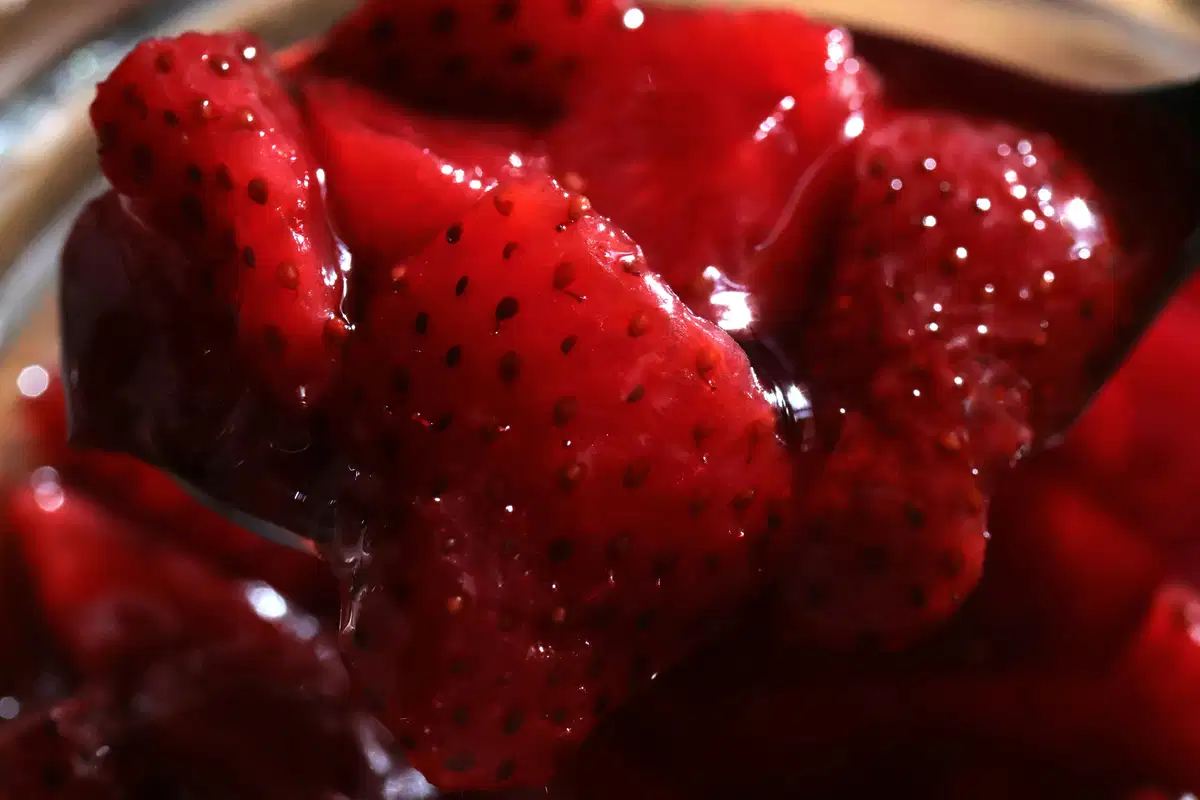
Jams and jellies remain prominent applications because their commercial quality depends heavily on controlled gel formation. Pectin helps manufacturers produce products that spread easily while retaining enough structure to meet consumer expectations.
Its use extends beyond conventional fruit spreads. Food processors also incorporate pectin into fruit preparations and other formulations that require controlled viscosity, texture or stability.
Common applications include:
Fruit jams: Pectin helps establish the firmness and spreadability of strawberry, apricot, mixed-fruit and other jams. Manufacturers select the grade and dosage according to fruit composition and the intended product texture.
Jellies: Clear fruit jellies require a uniform gel structure that maintains its shape while providing a smooth mouthfeel. Pectin supports this texture when the formulation meets the grade's requirements.
Fruit preparations: Manufacturers use pectin to control the consistency of fruit components intended for bakery fillings, dairy products and other processed foods. The appropriate formulation helps the fruit preparation retain its intended structure during handling and use.
Reduced-sugar fruit products: Suitable low-methoxyl pectin grades can help manufacturers develop products that require less sugar than conventional formulations. Calcium concentration and other processing variables become especially important in these applications.
Specialty fruit formulations: Product developers can use pectin to adjust texture for specific manufacturing and consumption requirements. The correct grade depends on the product's composition and desired performance.
These applications create demand for pectin grades with different functional properties. Food ingredient suppliers therefore need to understand the end use before recommending a product to a manufacturer.

What Determines Pectin Grade Selection?
Selecting pectin requires more than comparing product names or quoted prices. Buyers must understand the intended application and identify a grade that performs reliably under the manufacturer's actual production conditions.
The distinction between high-methoxyl and low-methoxyl pectin provides a useful starting point. High-methoxyl pectin generally suits conventional formulations with higher soluble solids and suitable acidity, while low-methoxyl pectin offers flexibility for formulations that rely on calcium-mediated gel formation.
Manufacturers should also consider the fruit base. Different fruits contain varying amounts of natural pectin, acids and soluble solids, which can influence the quantity and type of commercial pectin needed.
Before placing an order, procurement teams should evaluate:
Functional specifications: Confirm the grade's suitability for the intended jam, jelly or fruit preparation.
Gel performance: Review the supplier's technical information and determine whether the ingredient can achieve the target firmness and spreadability.
Dosage requirements: Assess the recommended inclusion rate under the intended formulation conditions.
Quality consistency: Compare specifications across suppliers to reduce the risk of performance differences between batches.
Documentation: Request the relevant technical data sheet, certificate of analysis and food-grade compliance documentation.
Handling and storage: Confirm packaging, shelf life and storage recommendations to protect ingredient quality throughout the supply chain.
Manufacturers should conduct formulation trials before adopting an unfamiliar grade for large-scale production. These trials help confirm that the ingredient works under the intended heating, mixing and filling conditions.
Supply Chain and Procurement Considerations for Pectin
Pectin procurement requires attention to both product quality and supply reliability. Food manufacturers depend on consistent ingredient performance, so a supplier's ability to provide repeatable specifications matters alongside the quoted price.
Buyers should compare commercial offers using a consistent evaluation framework. A lower purchase price may not deliver better overall value if the ingredient requires higher dosage levels, creates production difficulties or produces inconsistent results.
Procurement teams can improve sourcing decisions by considering several factors:
Supplier consistency: Review whether the supplier can maintain the agreed product specifications across repeat orders. Batch-to-batch consistency helps manufacturers maintain stable formulations.
Order quantities and lead times: Match purchasing volumes to production schedules, warehouse capacity and expected consumption. Longer lead times may require earlier purchasing or additional safety stock.
Packaging and transport: Confirm that packaging protects the ingredient during storage and transit. International shipments also require clear coordination of handling requirements and delivery schedules.
Documentation readiness: Obtain the necessary product specifications and food-related compliance documents before approving a new supplier. Missing documentation can delay supplier qualification and incoming material approval.
Total procurement cost: Consider freight, insurance, customs duties, storage and potential production losses when comparing offers. The total landed cost provides a more useful basis for commercial decisions than the unit price alone.
Importers and distributors should also maintain clear communication with manufacturers about expected demand and product requirements. Forecasting helps suppliers plan inventory and gives buyers more time to respond to changes in consumption.
Quality Control and Regulatory Requirements for Food-Grade Pectin
Food manufacturers need pectin that meets the quality and safety requirements applicable to their products and markets. Procurement teams should confirm the ingredient's intended food use and review the documentation required by their quality assurance departments.
A supplier's technical data sheet can help buyers understand product characteristics and recommended applications. A certificate of analysis provides batch-specific information that procurement and quality teams can compare against the agreed specification.
Depending on the destination market and intended use, buyers may also need documentation covering food-grade status, applicable food additive requirements, allergen information and other relevant quality controls. Requirements can differ across jurisdictions, so suppliers should provide documentation appropriate to the buyer's market.
Incoming inspection remains important even when a supplier has an established track record. Manufacturers should verify the identity and quality of received material according to their approved procedures before releasing it for production.
Traceability also supports effective quality management. Clear batch identification, shipment records and supplier documentation help manufacturers investigate quality issues and manage product recalls when necessary.
For international buyers, early documentation review can reduce delays during customs clearance and supplier qualification. It also helps procurement teams avoid sourcing a grade that does not meet the intended application's regulatory or technical requirements.
Market Opportunities for Pectin Suppliers and Food Ingredient Buyers
Pectin's role in fruit processing creates opportunities for ingredient distributors serving manufacturers of jams, jellies and specialty fruit products. Suppliers can add value by matching grades to specific formulation needs rather than offering a product without application guidance.
Manufacturers may also seek alternative grades as they revise recipes, develop new fruit products or adjust sugar content. These changes create opportunities for suppliers who understand the relationship between pectin functionality and formulation requirements.
For distributors, technical support can strengthen customer relationships. Providing clear specifications, reliable documentation and guidance on suitable applications helps buyers assess products more confidently.
However, suppliers should avoid treating pectin as a commodity with identical performance across every grade. Differences in functional properties can affect production efficiency, finished-product quality and customer satisfaction.
Procurement teams can strengthen their market position by maintaining qualified supplier options and comparing products against consistent technical criteria. This approach supports continuity of supply while allowing manufacturers to assess competitive offers.
What Procurement Teams Should Prioritise When Buying Pectin
A successful pectin sourcing strategy combines technical suitability, supplier reliability and commercial discipline. Buyers should begin with a clear understanding of the finished product and then identify the grade that meets its formulation and processing requirements.
The following priorities can help procurement teams make more effective purchasing decisions:
Define the application first. Specify whether the ingredient will serve a conventional jam, jelly, reduced-sugar product or another fruit preparation.
Confirm the required functionality. Identify the appropriate pectin type and the formulation conditions needed to achieve the desired gel structure.
Request comparable supplier offers. Evaluate grades using consistent specifications, packaging details, order quantities and delivery terms.
Validate quality before scaling up. Conduct formulation trials and review documentation before approving a new ingredient for regular production.
Plan inventory around consumption. Align purchase schedules with lead times, storage capacity and expected production requirements.
These steps help buyers reduce avoidable sourcing risks and establish stronger relationships with ingredient suppliers. They also create a more structured basis for comparing products across different suppliers and markets.
Pectin remains an important functional ingredient for manufacturers seeking consistent texture in jams, jellies and fruit preparations. Buyers who understand its technical requirements can make better purchasing decisions, support dependable production and identify suppliers that meet their quality and delivery expectations.
Pectin (E440) CAS: 9000-69-5
SOURCE LINK:https://www.fao.org/gsfaonline/?