Phthalates in Food-Contact Materials: Safety and Compliance Considerations
Phthalates remain an important chemical-safety consideration for the food packaging and processing industries. These substances have traditionally been used as plasticisers to make plastics such as polyvinyl chloride (PVC) more flexible, durable and less brittle. Their presence in food-contact materials has attracted regulatory attention because certain phthalates can migrate from packaging, tubing, seals and other equipment into food.
In 2026, the U.S. Food and Drug Administration (FDA) advanced its post-market safety review of phthalates authorised for food-contact applications. The agency published a scientific evaluation on May 27, 2026, examining whether certain phthalates should be grouped for a future cumulative risk assessment. This development reinforces the need for manufacturers to monitor chemical migration, verify material compliance and maintain reliable supplier documentation. FDA — Phthalates in Food Packaging and Food-Contact Applications
What Are Phthalates?
Phthalates are a group of chemical compounds used in various industrial applications, including plastics, coatings and certain food-contact materials. Their function depends on the specific compound and its intended use.
In food-related supply chains, phthalates have historically been associated with:
Flexible PVC packaging and components
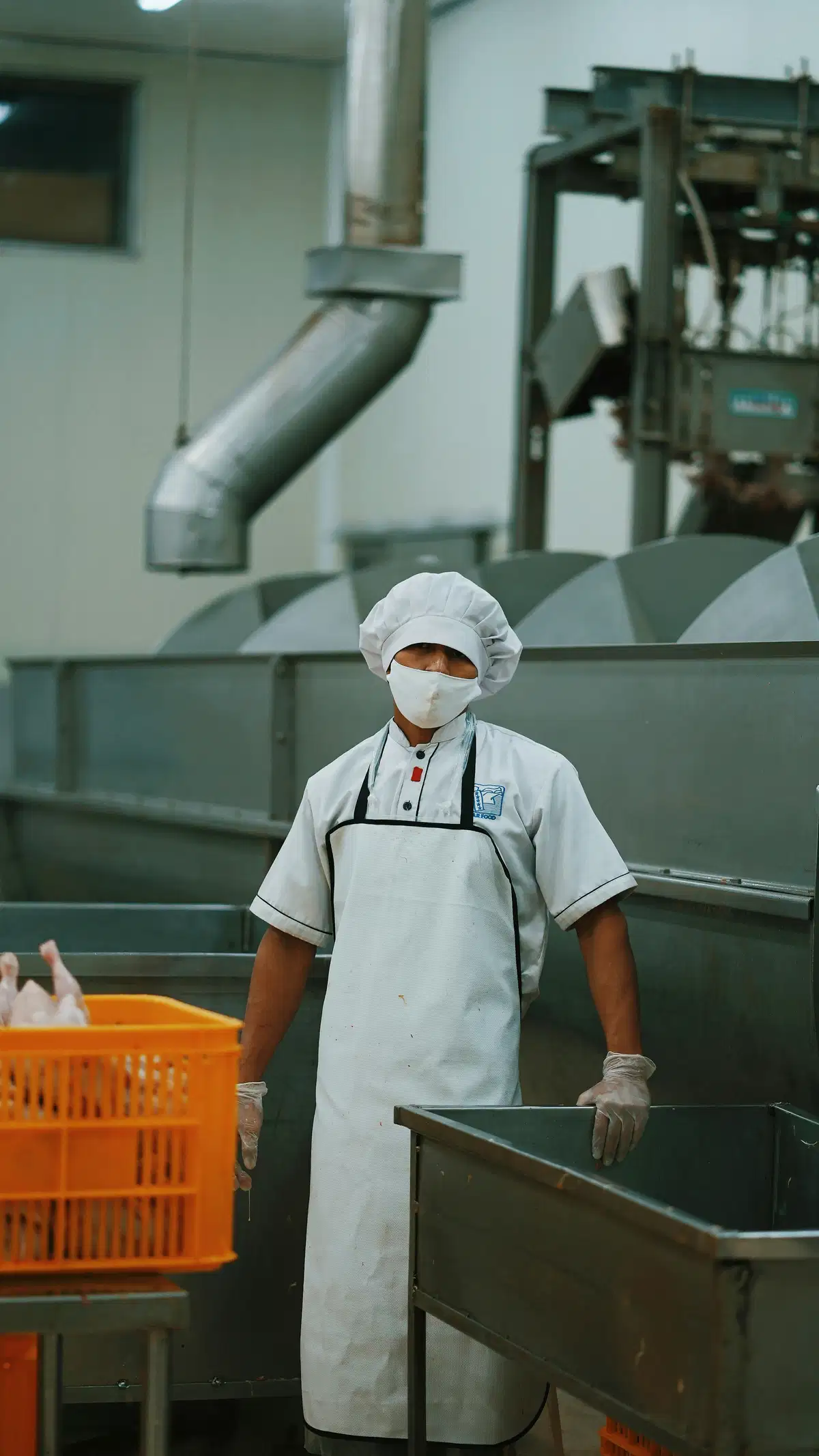
Food-processing tubing and hoses
Gaskets and seals
Conveyor belts and other processing equipment
Certain adhesives, lubricants and sealants
Not every plastic contains phthalates, and the presence of a phthalate in an industrial product does not automatically mean that it is authorised for food-contact use.
The relevant question is whether the specific substance is permitted for its intended application and whether its potential migration into food meets the applicable safety requirements.
Why Are Phthalates a Food-Safety Concern?
The main concern is migration — the transfer of a chemical from a food-contact material into the food itself.
Migration can depend on several factors, including the chemical's properties, the composition of the material, the type of food, contact time, temperature and the conditions under which the material is used.
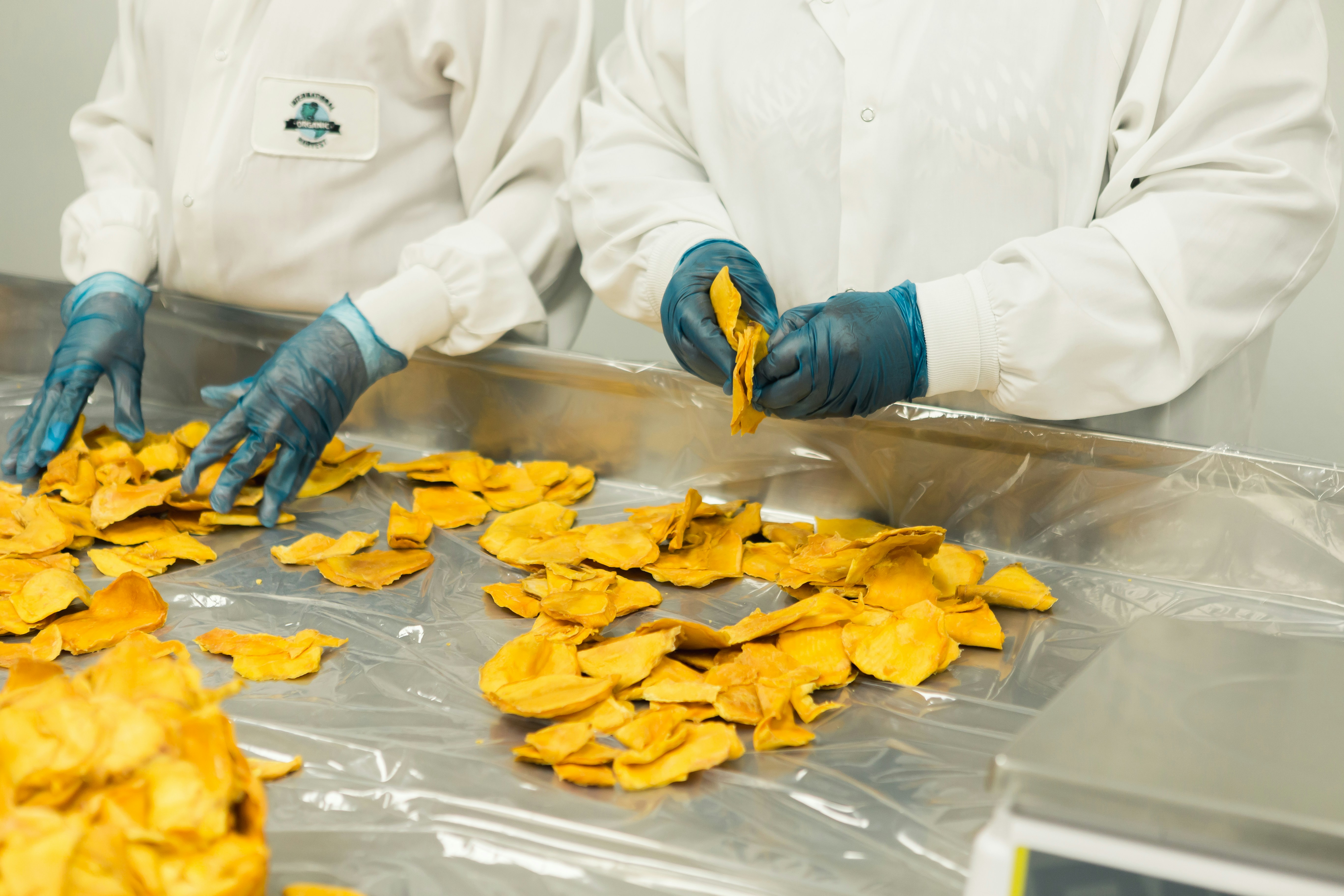
Fat-containing foods may interact differently with certain chemicals than aqueous foods. Similarly, prolonged storage or elevated processing temperatures can affect migration behaviour.
Some phthalates have been associated with endocrine and reproductive effects in toxicological studies. However, risks vary by compound and exposure level. It is therefore important not to treat all phthalates as having identical toxicological properties.
FDA Regulatory Developments in 2026
The FDA regulates phthalates used in food-contact applications as part of its wider oversight of food-contact substances.
According to the agency, nine phthalates remain authorised for specified food-contact applications in the United States: eight for use as plasticisers and one for use as a monomer. These authorisations are subject to their applicable conditions and restrictions. Phthalates are not authorised for direct addition to food simply as food ingredients.
FDA's Post-Market Safety Review
On May 27, 2026, the FDA published a scientific evaluation of eight phthalates authorised as plasticisers in food-contact applications. The review examined whether the substances should be considered chemically or pharmacologically related for the purpose of a future cumulative risk assessment.
The agency's evaluation supported grouping four substances for further consideration:
Di(2-ethylhexyl) phthalate (DEHP)
Dicyclohexyl phthalate (DCHP)
Diisooctyl phthalate (DIOP)
Diisononyl phthalate (DINP)
Cumulative risk assessment can help regulators evaluate potential combined exposure to chemicals that share relevant characteristics, rather than considering each substance only in isolation.
The FDA stated that the scientific evaluation, alongside information collected through an earlier request for data, would inform its upcoming post-market safety assessment. The grouping decision was a step in the assessment process, not a blanket prohibition of the four substances. FDA — May 27, 2026 update
Earlier Authorisation Changes
In 2022, the FDA revoked authorisations for 23 phthalates after determining that the relevant food-contact uses had been abandoned by industry. The agency also denied a broader petition seeking to revoke additional authorisations on the basis presented.
This history illustrates an important regulatory distinction: removal of an authorisation because a use has been abandoned is not the same as a scientific determination that every substance in a chemical group is unsafe under all conditions.
Manufacturers should therefore check the current status of each substance and its intended use rather than relying on general statements about phthalates as a class.
European Union Requirements for Food-Contact Materials
In the European Union, food-contact materials are governed by a framework designed to prevent the transfer of substances into food at levels that could endanger health, cause unacceptable changes in food composition or adversely affect taste and smell.
Regulation (EC) No 1935/2004 establishes general requirements for materials and articles intended to come into contact with food. Regulation (EC) No 2023/2006 addresses good manufacturing practice, while Regulation (EU) No 10/2011 sets specific requirements for plastic food-contact materials. European Commission — Food-Contact Materials
Substance Authorisation and Migration Limits
For plastic food-contact materials, manufacturers must check whether the substances used are authorised for the intended application and comply with relevant restrictions and specifications.
Depending on the substance, requirements may include:
Specific migration limits
Overall migration limits
Restrictions on permitted food types
Conditions relating to contact time and temperature
Purity and compositional specifications
Supporting documentation demonstrating compliance
The applicable requirements must be checked against the current consolidated legislation and its amendments. A supplier's general declaration that a material is "food grade" is not, by itself, sufficient evidence that every component is compliant for every intended use.
The European Commission is also working on a revision of the wider EU food-contact-materials framework, making ongoing regulatory monitoring important for businesses operating in the region. European Commission — Revision of EU Food-Contact-Material Rules
Implications for Food Manufacturers and Packaging Suppliers
1. Review Materials Used in Production
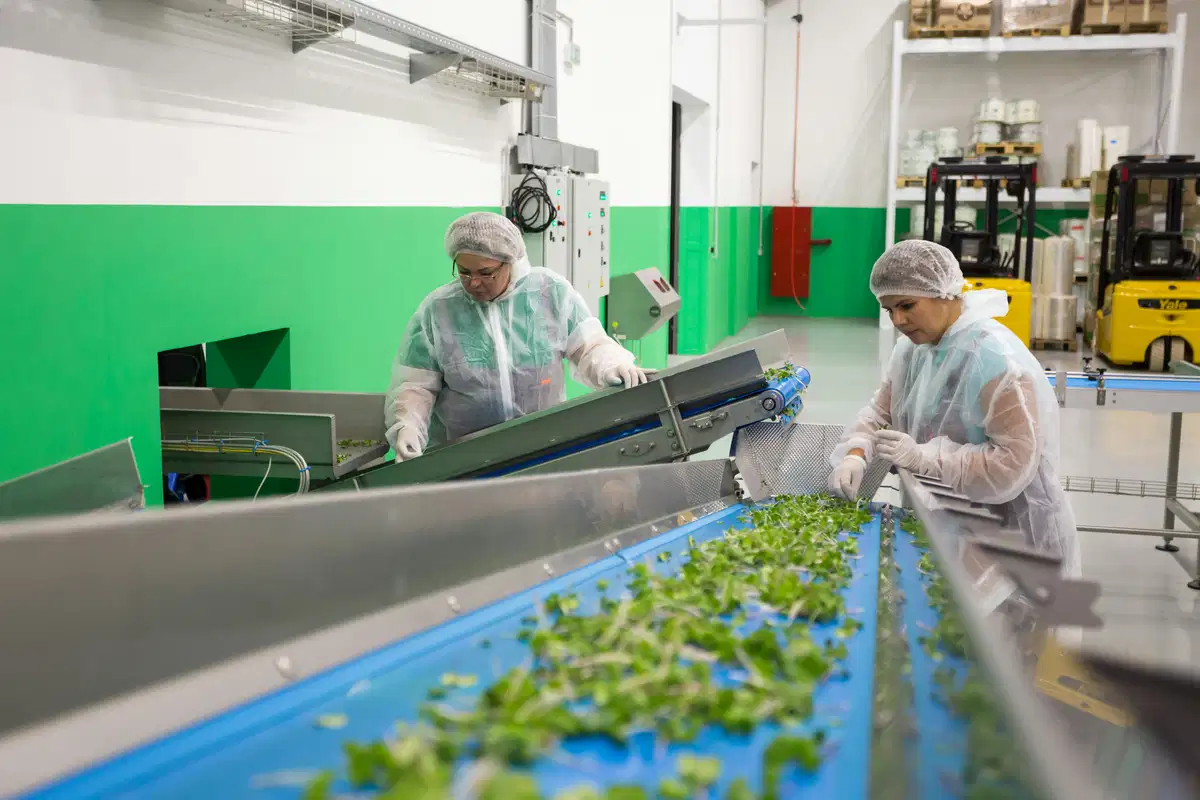
Manufacturers should identify where flexible plastics, tubing, seals, conveyor belts and other food-contact components are used throughout their operations.
This inventory should record the material, supplier, intended food contact, operating temperature, contact duration and relevant compliance documentation.
The purpose is not to assume that all PVC or flexible plastic components contain phthalates. It is to identify components that require verification and ensure that their use is supported by appropriate evidence.
2. Evaluate Chemical Migration
Migration testing may be necessary to demonstrate that a food-contact material complies with the relevant requirements.
Testing conditions should reflect the intended or reasonably foreseeable use of the material, including relevant food types, contact times and temperatures.
Where applicable, manufacturers should work with qualified laboratories to select suitable food simulants, analytical methods and test conditions. Results should be interpreted against the legal requirements for the particular substance and market.
A material that passes a general screening test should not automatically be considered compliant for every food type or operating condition.
3. Strengthen Supplier Documentation
Packaging and equipment suppliers should provide documentation that identifies the material and supports its suitability for the intended application.
Depending on the material and destination market, relevant records may include:
Declaration of compliance or equivalent regulatory statement
Material composition or restricted-substance information
Migration-test reports
Technical data sheets
Certificates of analysis, where appropriate
Conditions of use and operating limitations
Change-control and regulatory-update commitments
The documentation should be specific enough to establish that the supplied product, manufacturer and intended conditions of use are covered by the applicable authorisation.
4. Consider Alternatives to Phthalate-Based Materials
Some manufacturers may evaluate alternative plasticisers or alternative materials to reduce dependence on substances under regulatory scrutiny.
Possible options depend on the application and may include other plasticiser chemistries, alternative polymer formulations or different equipment designs.
However, replacing a phthalate does not automatically make a material safer or compliant. Alternative substances require their own assessment of toxicological evidence, migration behaviour, technical performance and regulatory status.
A substitution programme should also consider durability, flexibility, cleaning compatibility, processing conditions, product quality and total cost.
5. Manage Reformulation and Procurement Risks
Regulatory reviews can affect purchasing decisions even before a final restriction is adopted. Manufacturers may need to evaluate the availability of existing grades, the cost of alternative materials and the time required for qualification.
Procurement teams should work with quality assurance, regulatory affairs and engineering teams to establish which components are critical, whether approved alternatives are available and how quickly a replacement could be validated.
The aim is to prepare for potential changes without treating a scientific review as an immediate ban.
Testing and Compliance: What Should Be Prioritised?
A risk-based approach can help businesses focus their resources on the most relevant materials and applications.
Identify Higher-Priority Applications
Priority may be given to components with direct food contact, prolonged contact, elevated operating temperatures or use with food types that could promote migration of the chemicals under investigation.
Manufacturers should also consider the frequency of use, cleaning conditions and the possibility of material deterioration over time.
Verify the Applicable Legal Limits
Testing requirements and migration limits vary by substance and jurisdiction. Companies should identify the specific legal provisions relevant to the intended application before defining acceptance criteria.
For the EU, the applicable plastic-material legislation and its current amendments should be consulted. In the United States, the relevant FDA authorisation must cover the substance, manufacturer where applicable, and intended conditions of use.
Maintain Traceability
Manufacturers should be able to link a finished product or production line to the relevant food-contact components and their compliance records.
Traceability can support faster investigations if a supplier changes a formulation, a regulatory decision is issued or testing identifies an unexpected result.
What Exporters and International Buyers Should Know
A material that is compliant in one country may not automatically be compliant in another. Differences can exist in substance authorisation, restrictions, migration limits, testing methods and documentation requirements.
International buyers should therefore request market-specific compliance information from packaging and equipment suppliers.
For businesses exporting food, compliance should be considered across the entire supply chain — from the packaging resin and additives to the finished article and the actual conditions of food contact.
This is particularly important for companies using imported processing equipment or packaging components whose technical documentation may have been prepared for a different regulatory market.
Outlook for Phthalates in Food-Contact Applications
The FDA's 2026 evaluation signals continued scrutiny of the scientific evidence surrounding authorised phthalates and their potential combined exposure. In the EU, the established food-contact-material framework continues to place emphasis on authorised substances, migration controls, good manufacturing practice and documented compliance.
For manufacturers, the key task is to separate current legal obligations from possible future regulatory outcomes. Businesses should verify existing authorisations, test materials where appropriate, keep supplier documentation current and prepare contingency plans for critical components.
A proactive approach to chemical compliance can help protect consumer safety while reducing the likelihood of unexpected reformulation costs, supply disruptions and market-access problems.
Source Links
PP Homopolymer H1500 (Injection) - South Korea CAS: 9003-07-0