Riboflavin (Vitamin B2): Uses in Food Fortification and Colouring
What Is Riboflavin?
Vitamin B2 (Riboflavin) molecule of month – bright-yellow solution of riboflavin – I've seen word riboflavin in ingredients list of drinks and sweets – Yes in that instance being used as colouring additive due to bright yellow-orange colour, and given European E-number E101. Phosphate version, which more soluble in water, also used as yellow food colouring E101a and is actually principal form in which riboflavin is found in cells and tissues.
Riboflavin is added to baby foods, breakfast cereals, pastas and vitamin-enriched meal replacement products. Difficult to incorporate riboflavin into liquid products because poor solubility in water, hence requirement for riboflavin-5'-phosphate (E101a), more soluble form. Also used as food coloring and as such designated in Europe as E number E101.
Riboflavin can be used as natural orange food colour and you'll see it on ingredient lists as additive number 101 (or in Europe as E101). Relatively easy to get enough riboflavin as vitamin added to many cereals. Riboflavin is one of four vitamins added to most fortified products. Look for word RIBOFLAVIN under vitamins on ingredient list. Most breakfast cereals fortified with riboflavin at level 0.42 mg per bowl or cup.
Forms Used in Food Industry
Riboflavin E101i: Crystalline form – strong yellow colour and water-soluble – ideal for colouring drinks, baked goods, confectionery or dairy products – Vitamin B2 as colouring agent E101i – in addition to nutritional significance, also used as natural colouring agent – crystalline form
Riboflavin-5'-phosphate sodium E101ii / E106: Riboflavin 5' phosphate sodium – used in functional foods, beverages, supplements to provide active and bioavailable form vitamin B2 – applied in pharmaceutical formulations for treating vitamin B2 deficiencies – used as yellow-orange colorant in nutritional drinks, baby food, cereals, fortified products – Flavin mononucleotide FMN or riboflavin-5'-phosphate produced from riboflavin by enzyme riboflavin kinase – Flavin mononucleotide also used as orange-red food color additive
Riboflavin universal spray-dried: 33% or 50% powder in gum arabic / modified starch matrix – improves flowability and dispersibility for dry mixes
Riboflavin E101 vitamin B2 food colour and fortification ingredient – final product approval, legal use, maximum level, vitamin declaration, colour declaration, nutrient claims, dosage and finished product compliance must be confirmed by buyer according to applicable regulations.
Applications in Food Fortification
Why Fortify with Riboflavin?
Food and beverage industry – Fortification: Riboflavin commonly added to food products like cereals, bread, and milk to prevent vitamin B2 deficiency, particularly in populations with limited access to diverse food sources. Used as natural yellow colorant in food and beverage products, such as drinks, candies, baked goods.
In nature riboflavin prevails in protein products animal origin such as meat, milk, liver, poultry, fish and eggs. Deficiency causes ariboflavinosis – sore throat, cheilosis, glossitis – fortification ensures adequate intake in cereal-based diets.
Most frequent additive E101 included in children's porridge, bread, peanut butter and dry breakfasts – purpose enrichment with vitamin B2.
Flour and Bakery Products
Enriched flour: One of four vitamins added to enriched cereal-grain products in US – thiamin, riboflavin, niacin, folic acid – mandatory 1.2 mg riboflavin per 100g enriched flour – ensures bread, rolls, buns contain B2
Bread and pasta: Added to baby foods, breakfast cereals, pastas – pastas fortified to match enrichment – stable during baking but sensitive to light – slight loss 10-15% during baking
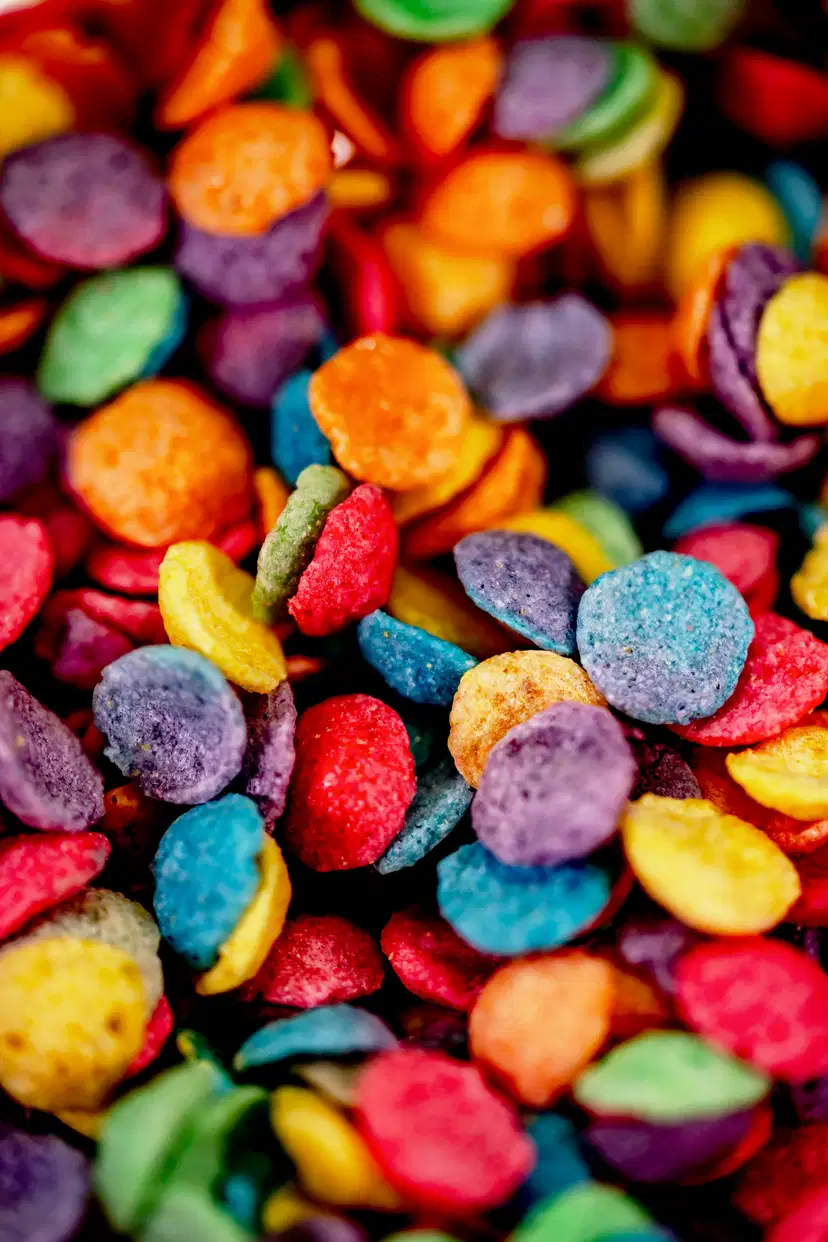
Breakfast cereals: Most breakfast cereals fortified at 0.42 mg per bowl – level 0.6-1.0 mg per 100g – provides 25-50% RDA per serving – added via vitamin premix sprayed after extrusion
Dairy and Meal Replacements
Milk and flavored milk: Riboflavin naturally present in milk (∼0.18 mg/100ml) but additional fortification in some fortified milks and milk powders – difficult to incorporate into liquid due poor solubility – hence riboflavin-5'-phosphate more soluble form required
Baby foods and infant cereals: Added to baby foods – children's porridge – infant formula contains 60-100 µg per 100 kcal mandatory in many countries
Vitamin-enriched meal replacement products: Shakes, nutrition bars – 0.3-0.5 mg per serving
Other Fortified Products
Plant-based milks: Often fortified with riboflavin to match dairy milk nutritional profile – especially oat and soy milks
Nutritional yeast and spreads: Peanut butter fortified
Applications as Natural Colour
E101 Colour Function
Riboflavin used as yellow to orange-yellow food colour, vitamin B2 fortification ingredient and colour-standardisation component. What does E101 mean? – E number for riboflavin as food additive.
In food industry E101 used as yellow food coloring – also E101 food additive added to foodstuffs with purpose enrichment with vitamin B2.
Colour shade: Bright yellow to orange-yellow – pH stable – gives natural colouring – suitable for clean label – natural orange food colour – additive number 101
Solubility: Riboflavin poor water solubility (∼0.07 g/L cold) – limits use in clear beverages – riboflavin-5'-phosphate sodium highly soluble – preferred for drinks – E101a
Stability: Light sensitive – degrades under UV producing lumichrome – causes off-flavor and colour loss – requires opaque packaging – heat stable in neutral pH but degrades in alkaline – stable in acidic beverages
Specific Colour Applications
Beverages: Nutritional drinks, energy drinks, sports drinks – yellow-orange colorant – E101ii Riboflavin-5'-Phosphate used as yellow-orange colorant in nutritional drinks, baby food, cereals, fortified products – at 5-15 mg/L gives pale yellow to intense yellow – also provides vitamin claim dual function – colour + fortification
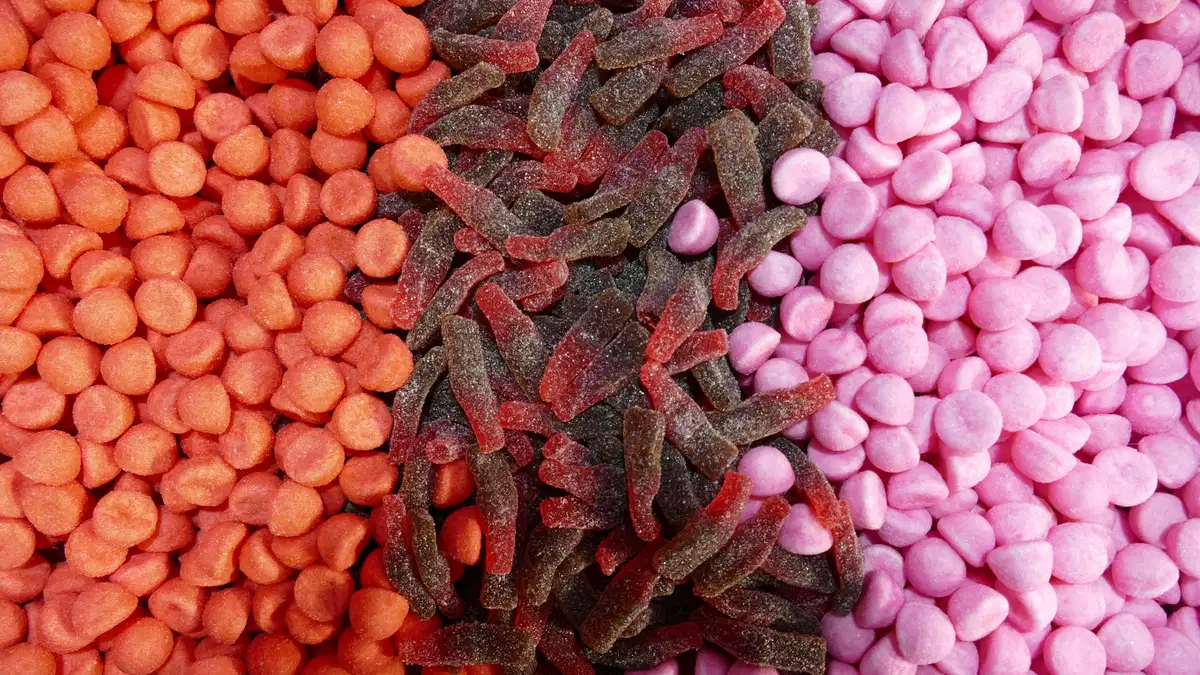
Confectionery and sweets: Candies, gummies, sugar coatings – natural alternative to tartrazine – gives lemon yellow – used in Europe as E101
Bakery and dairy: Baked goods, custards, ice cream, puddings – ideal for colouring drinks, baked goods, confectionery or dairy products – enhances egg-yolk colour in cakes, pasta – gives golden hue
Pasta and noodles: Added to pasta for enhanced yellow colour – mimics egg pasta without eggs – traditional in some markets
Sauces, soups, processed cheese: Yellow colour standardisation – especially in cheese sauces where riboflavin naturally present – colour-standardisation component
Baby foods and cereals: Children's porridge – provides attractive yellow colour plus vitamin fortification
Dual Function – Colour and Vitamin
Unique advantage: riboflavin provides both colour and nutrition – can be declared as colour or as vitamin depending on primary purpose – in many products serves both simultaneously – fortification plus natural yellow colorant.
In crystalline form has strong yellow colour and water-soluble – ideal for colouring drinks, baked goods, confectionery or dairy products.
Clean label trend: Natural colour – fermentation-derived – can be labeled as riboflavin or vitamin B2 – preferred over synthetic yellow colours – suitable for natural, organic positioning
Regulatory: E101i riboflavin, E101ii riboflavin-5'-phosphate sodium, E106 riboflavin-5'-phosphate (some classifications) – GRAS in US – permitted quantum satis or limited by GMP in most categories – vitamin declaration and colour declaration must be considered
Formulation Guidelines
Dosage for fortification: Enriched flour 1.2 mg/100g – breakfast cereals 0.42 mg per bowl – milk powders 1.0-1.5 mg/100g – RDA 1.1-1.3 mg adult – aim 15-30% RDA per serving
Dosage for colour: 5-50 mg/kg depending on shade – 5 mg/L light yellow beverage, 20-30 mg/kg intense yellow in confectionery
Form selection: Use riboflavin-5'-phosphate sodium for liquid products because poor solubility – E101a more soluble form – for dry mixes regular riboflavin powder fine – for encapsulated stability use 33% spray-dried
Protection: Protect from light – use amber bags, opaque packaging – avoid alkaline pH >7 where degradation faster – store cool dry – overage 10-20% for colour loss
Interaction: Riboflavin photosensitizer – can cause light-induced off-flavors in milk if exposed – protect dairy products from light
Specialized proteins: Egg white and yolk contain specialized riboflavin-binding proteins required for transport – relevant for egg-based products – may affect bioavailability slightly
Summary
Riboflavin serves dual role: commonly added to food products like cereals, bread, milk to prevent vitamin B2 deficiency, and used as natural yellow colorant in food and beverage products such as drinks, candies, baked goods – E-number E101 – most frequent in children's porridge, bread, peanut butter and dry breakfasts – purpose enrichment – poor solubility requires phosphate form for liquids – bright-yellow solution – stable to heat, sensitive to light – natural, clean label alternative providing both vitamin fortification and appealing yellow to orange-yellow colour.
Working Source Links:
Vitamin B2 (Riboflavin) – Riboflavin added to baby foods, breakfast cereals, pastas – poor solubility – requirement for riboflavin-5'-phosphate E101a – used as food coloring designated E number E101 – https://med.libretexts.org
What is riboflavin – can be used as natural orange food colour – additive number 101 – added to many cereals – Riboflavin is one of four vitamins added to most fortified products – Most breakfast cereals fortified at level 0.42 mg per bowl – https://foodwatch.com.au
Riboflavin (Vitamin B2): Applications, Benefits – Fortification commonly added to food products like cereals, bread, milk – used as natural yellow colorant – E-number E101 – https://chemiis.com