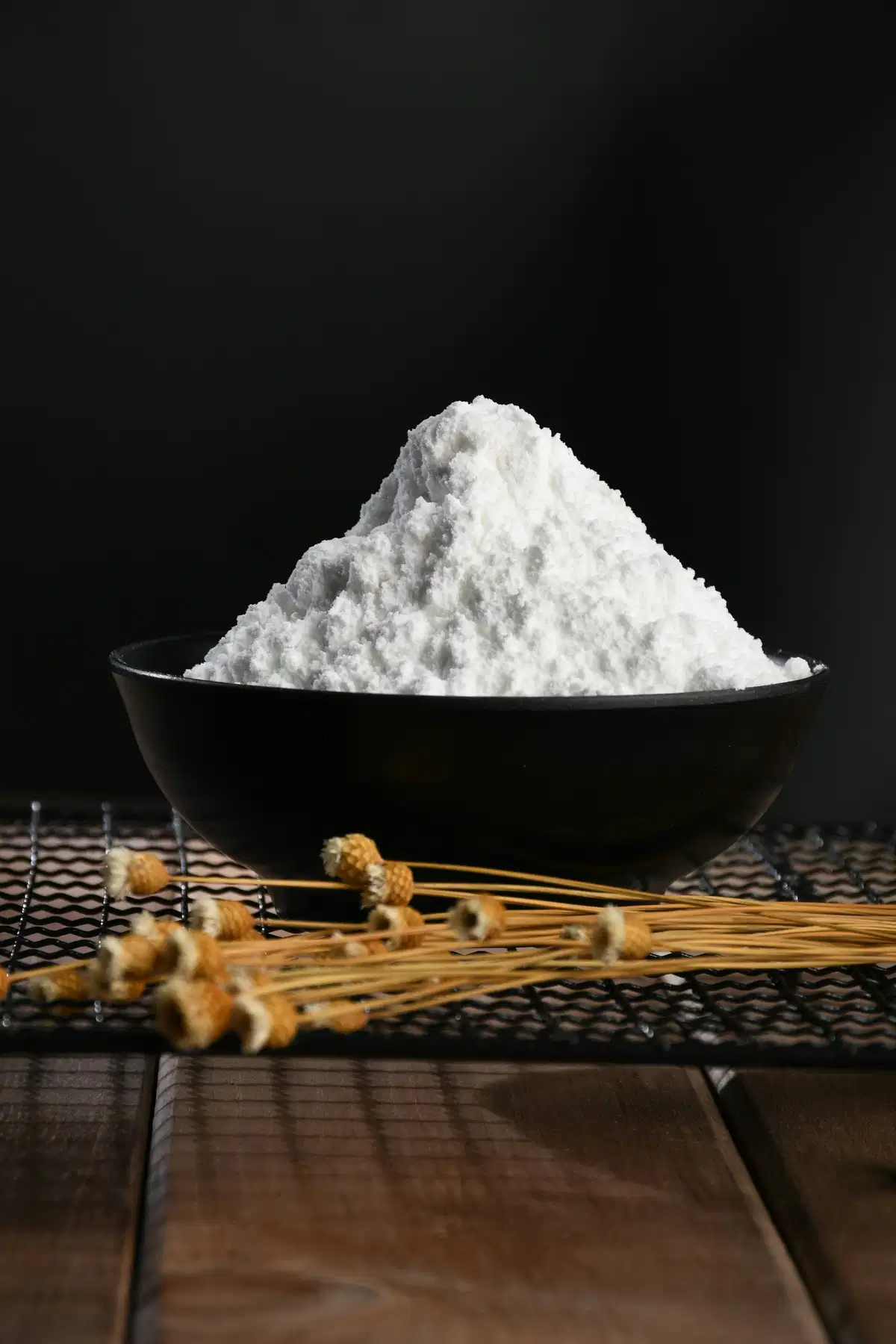
Sodium Bicarbonate: Uses in Commercial Food Production
Sodium bicarbonate is an essential ingredient in commercial food production, valued for its ability to support leavening, regulate acidity, and influence the texture of a wide range of products. Commonly known as baking soda, it is used by industrial bakeries, biscuit manufacturers, snack producers, and other food-processing businesses to achieve consistent product quality at scale.
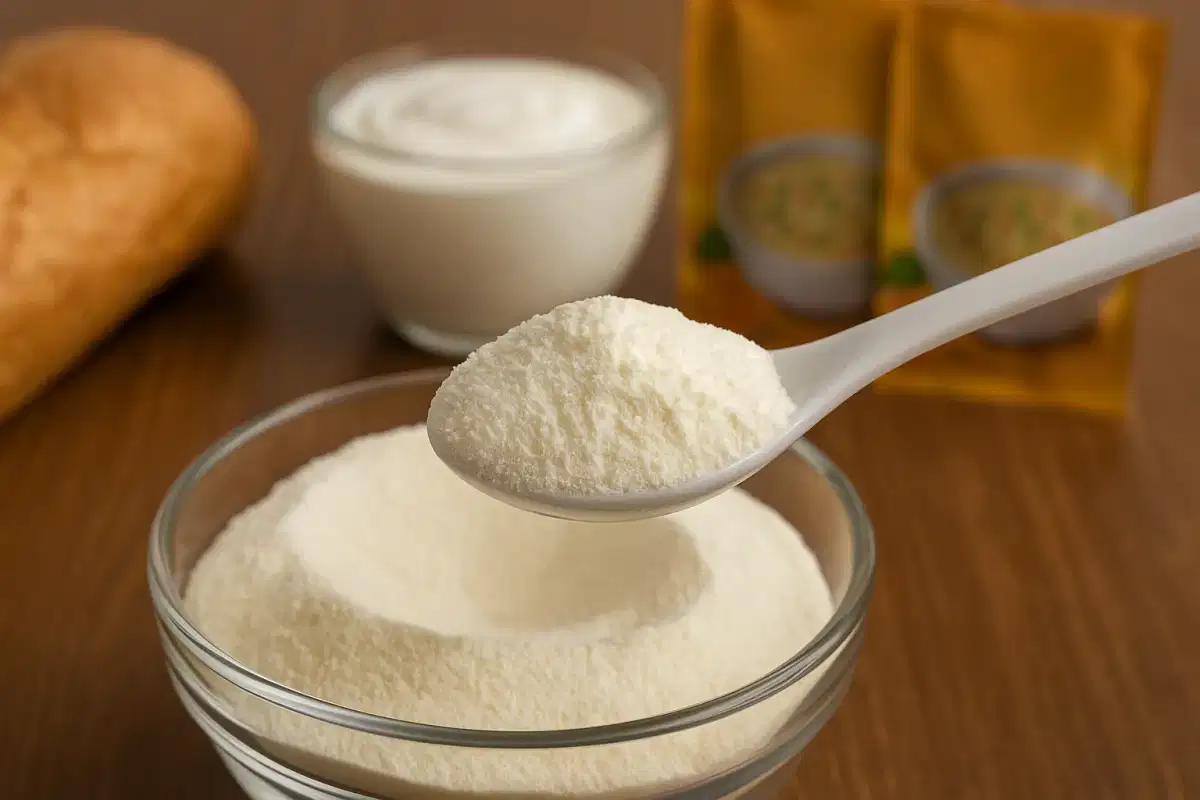
Chemically represented as NaHCO₃, sodium bicarbonate is a white crystalline powder that releases carbon dioxide when it reacts with an appropriate acid or decomposes under suitable heating conditions. In baking, this gas helps create a lighter structure and contributes to the desired volume and texture of the finished product.
Beyond leavening, sodium bicarbonate can serve as a pH-control agent in specific food applications. Its effectiveness depends on the formulation, processing conditions, and intended product characteristics. Food-grade material must also meet the relevant purity and regulatory requirements for its intended use.
For food manufacturers and ingredient suppliers, understanding sodium bicarbonate's functions is important for improving production consistency, selecting the right grade, and meeting the technical requirements of commercial customers.
Major Applications of Sodium Bicarbonate in Commercial Food Production
1. Industrial Baking and Bakery Products

Commercial bakeries are among the key users of food-grade sodium bicarbonate. In cakes, cookies, biscuits, crackers, and selected other baked goods, it reacts with acidic ingredients to release carbon dioxide, helping create the desired rise, porosity, and texture.
Manufacturers carefully balance sodium bicarbonate with acidic components to control gas generation, browning, and flavour. Incorrect quantities can leave an undesirable alkaline taste or affect the colour and structure of the finished product.
2. Biscuits, Crackers, and Snack Manufacturing
Sodium bicarbonate helps manufacturers control the texture, spread, and browning of certain biscuits, crackers, and snack products. Its reaction with other ingredients can influence the structure and surface characteristics developed during baking.
For high-volume production lines, consistent ingredient quality is important because variations in formulation can affect the appearance, texture, and uniformity of finished products.
3. Baking Powder and Premix Production
Manufacturers of baking powders, cake mixes, and ready-to-use bakery premixes use sodium bicarbonate as an alkaline leavening component. In baking powder, it is combined with suitable food-grade acids and other ingredients to generate carbon dioxide under specified conditions.
Premix producers must ensure that the formulation, moisture control, packaging, and storage conditions maintain the required performance until the product reaches the customer.
4. Acidity Regulation and pH Control
Sodium bicarbonate can help adjust acidity in selected food-processing applications. By neutralising acids, it can influence pH and modify certain reactions during processing.
The effect depends on the food's composition and the quantity added. Manufacturers should validate the final pH and product characteristics rather than relying on a standard dosage for every application.
5. Processed Foods and Selected Beverage Formulations
Sodium bicarbonate has additional permitted uses in certain processed foods and beverage formulations, where it may serve as a pH-control agent or perform another authorised technical function.
Its suitability depends on the product category, the formulation requirements, and applicable food regulations. It should not be assumed to be appropriate for every beverage or processed food.
The US FDA lists sodium bicarbonate under technical functions including leavening, pH control, and processing assistance.
Who Buys Sodium Bicarbonate for Commercial Food Production?
Food-grade sodium bicarbonate serves a broad customer base across the food manufacturing supply chain.
Buyer segment | Typical purchasing purpose |
|---|---|
Industrial bakeries | Leavening and texture control |
Biscuit and cracker manufacturers | Product structure, spread, and browning |
Baking powder manufacturers | Formulation of leavening systems |
Cake and bakery premix producers | Consistent performance in ready-to-use mixes |
Snack manufacturers | Selected baked snack and seasoning applications |
Food ingredient distributors | Resale to bakeries and food factories |
Food processing companies | pH adjustment and other permitted applications |
For ingredient suppliers, the strongest prospects are manufacturers that use sodium bicarbonate regularly in standardised production recipes. However, actual demand, purchase volumes, and supplier approval requirements should be confirmed directly with each business.
What Food Manufacturers Look for When Buying Sodium Bicarbonate
Commercial procurement teams typically evaluate several factors before approving a supplier.
Food-grade specifications: The product must meet the requirements for its intended food application.
Purity and consistency: Buyers expect reliable quality and compliance with agreed analytical specifications.
Particle size: Particle characteristics can affect blending, dispersion, and processing performance.
Certificate of Analysis (COA): Batch-specific results help quality teams verify compliance with purchasing specifications.
Packaging and traceability: Properly sealed packaging, batch identification, and storage instructions support quality management.
Price and supply continuity: Buyers consider the delivered cost, order quantities, delivery schedules, and reliability of future supplies.
Suppliers should provide a product specification sheet, COA, safety data sheet, and relevant food-grade compliance documentation. Buyers should also ensure that the purchased grade is suitable for food production rather than assuming all commercially available sodium bicarbonate is interchangeable.
Food Safety and Regulatory Compliance
Sodium bicarbonate is listed in the US FDA's Substances Added to Food database, including references to applicable US regulatory provisions. Its use must comply with the requirements relevant to the intended application and market.
Manufacturers should verify ingredient specifications, applicable use conditions, and labelling requirements. They should also maintain good manufacturing practices and appropriate quality-control procedures throughout production.
Sources
https://hfpappexternal.fda.gov/scripts/fdcc/index.cfm?id=SODIUMBICARBONATE&set=FoodSubstances&
https://www.fda.gov/food/food-additives-and-gras-ingredients-information-consumers/types-food-ingredients?
https://www.fda.gov/food/food-ingredients-packaging/food-additives-and-gras-ingredients-information-consumers?
Sodium Bicarbonate Food Grade (E500(ii)) CAS: 144-55-8