
Market Overview
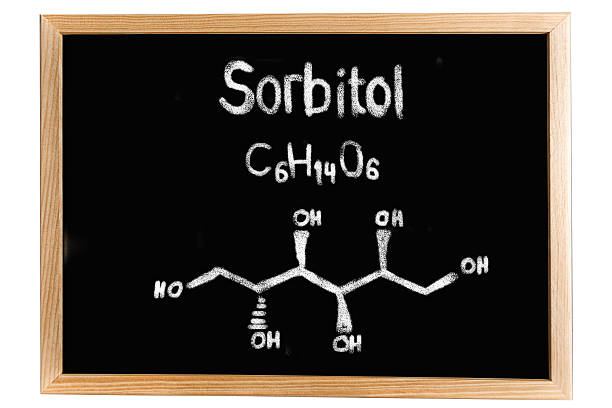
The global sorbitol market is projected to reach a value of USD 1.2 billion by 2026, with an annual growth rate of 5.8%. Sorbitol, classified as a food additive under the E420 designation, is increasingly favored in low‑calorie and diabetic‑friendly products. The rise in diabetes prevalence, particularly in the Asia Pacific, is the primary catalyst behind this surge.
Key Market Drivers
Diabetic‑Friendly Food Demand
Consumers with diabetes and health‑conscious individuals seek alternatives to sucrose. Sorbitol’s low glycemic index and reduced caloric content make it ideal for sugar‑free confectionery, baked goods, and beverages. Manufacturers are replacing sugar with sorbitol to meet regulatory standards and consumer expectations.
Vitamin C Supply Chain Enhancement
Vitamin C, often added to sorbitol‑based products for antioxidant benefits, has seen a streamlined supply chain due to improved extraction technologies in Southeast Asia. This synergy has reduced production costs and increased product shelf life.
Regulatory Support
Global food safety agencies, including the FDA and EFSA, have granted GRAS status to sorbitol, encouraging its use across diverse food categories. The E420 designation under EU regulations further solidifies its acceptance.
Regional Analysis
Asia Pacific – Market Leader
Asia Pacific accounts for 48% of the global sorbitol market share. China and Indonesia dominate production, with China leading in capacity and Indonesia excelling in cost‑effective extraction processes. The region’s large diabetic population, coupled with rising disposable incomes, drives demand for low‑calorie food ingredients.
Europe and North America
Europe and North America hold combined shares of 35%. The high regulatory standards and strong health‑food segment justify the steady growth in these markets. However, price sensitivity and competition from other sugar alcohols, such as xylitol, moderate the pace.
Rest of the World
The remaining 17% is distributed across Latin America, Africa, and the Middle East. Emerging economies in these regions display growing awareness of diabetic‑friendly foods, indicating potential upside.
Major Producers and Supply Chains
China – Leading Capacity
China’s production capacity exceeds 250,000 tonnes per annum.
Key players: China National Chemical Corp., Zhejiang Sun Chemical.
Strong domestic demand and export potential to ASEAN.
Indonesia – Cost‑Effective Production
Indonesia produces over 80,000 tonnes annually.
Major suppliers: PT Sinar Chemical, PT Pertiwi Agro.
Strategic location near palm oil plantations provides raw material access.
Sorbitol Suppliers in Asia
Besides China and Indonesia, several other Asian countries, such as Vietnam and Malaysia, supply sorbitol to regional manufacturers. These suppliers benefit from lower labor costs and improved logistics infrastructure.
Competitive Landscape
The market is characterized by a mix of large multinational corporations and niche regional players. Consolidation is trending, as companies aim to secure raw material supply and expand product portfolios. Partnerships between sorbitol producers and food manufacturers are becoming more common, facilitating joint R&D for diabetic‑friendly product lines.
Future Outlook and Trends
Product Diversification
Manufacturers are exploring sorbitol‑based functional foods, such as low‑calorie yogurts and energy drinks. The integration of sorbitol with other sugar alcohols is expected to create hybrid sweeteners with optimized taste profiles.
Technological Innovations
Advancements in fermentation‑based production methods promise higher yields and lower environmental footprints. Continuous‑flow reactors and bio‑engineering of yeast strains are being piloted across Chinese and Indonesian facilities.
Regulatory Evolution
Emerging regulations on artificial sweeteners may influence sorbitol usage. However, its established safety record and E420 status provide a buffer against policy shifts.
Market Growth Forecast
By 2030, the sorbitol market is expected to reach USD 1.6 billion, propelled by expanding diabetic food segments and rising health awareness. Asia Pacific will likely retain a majority share, while Europe and North America will experience steady growth.
Vitamin B12 CAS: 68-19-9