
Sorbitol Market: Palm Sugar Chain Disruption and Alternative Feedstock Demand
Introduction
Sorbitol is one of the most versatile sugar alcohols used across the food, pharmaceutical, personal care, and industrial sectors. Known for its sweetening, moisturizing, and stabilizing properties, sorbitol has become a critical ingredient in products ranging from toothpaste and cosmetics to sugar-free confectionery and vitamin formulations.
In 2026, the global sorbitol market is experiencing shifting trade flows and sourcing strategies. While production itself has remained relatively stable, disruptions in regional agricultural supply chains, higher freight costs to the Middle East, and growing demand from personal care manufacturers are reshaping procurement decisions. At the same time, Chinese producers are expanding output, creating new sourcing options for global buyers.
For procurement teams, one of the key questions this year is how sourcing from Thailand, China, and India compares in terms of cost, supply security, and long-term availability.
What Is Sorbitol?
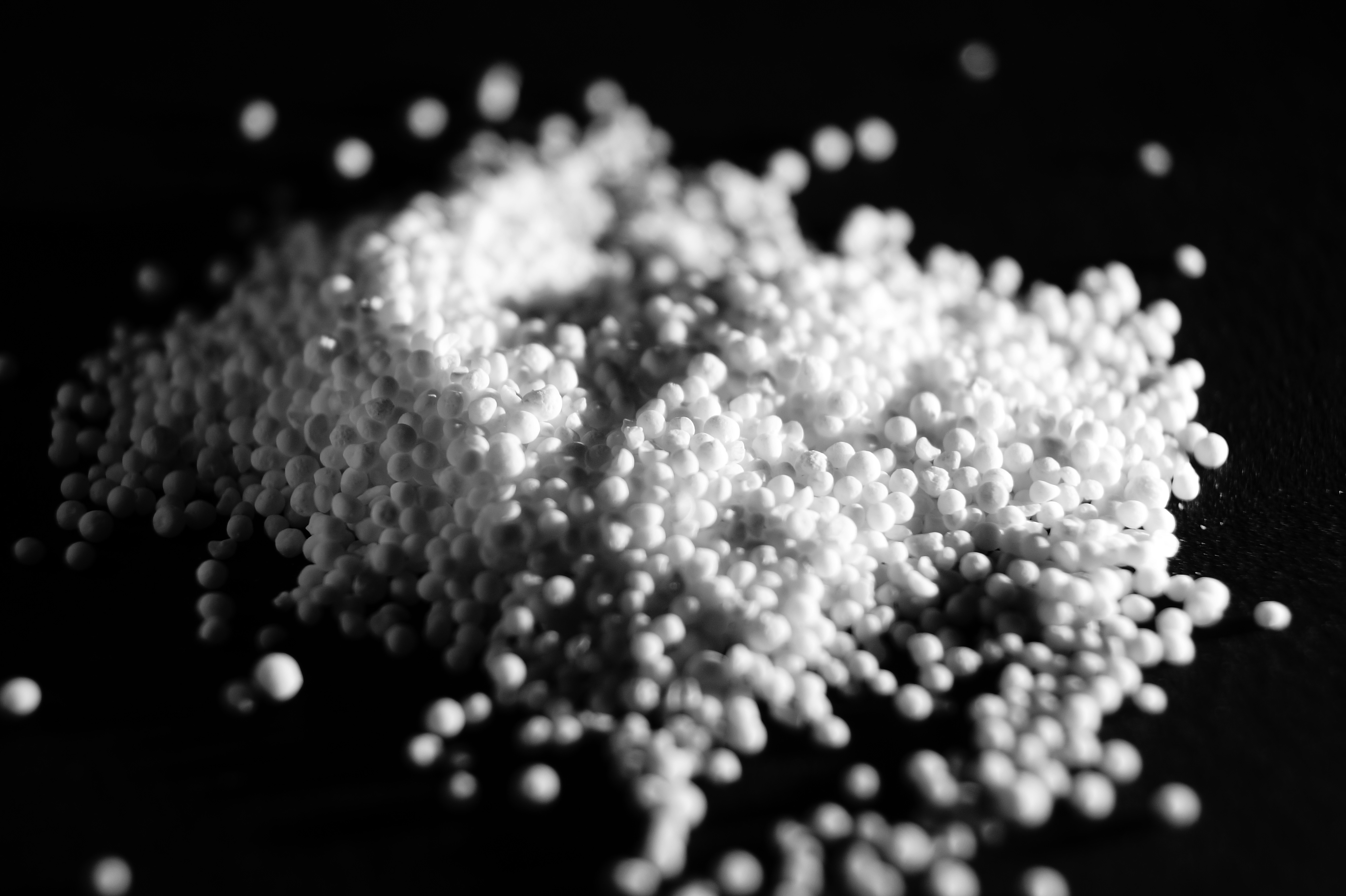
Sorbitol is a sugar alcohol (polyol) produced through the hydrogenation of glucose.
Production Process
The process involves:
Converting starch-based feedstocks into glucose syrup
Hydrogenating glucose under controlled conditions
Purifying the resulting sorbitol solution
The most common feedstocks include:
Corn starch
Tapioca starch
Wheat starch (limited regions)
Because production relies on agricultural feedstocks rather than petrochemical raw materials, sorbitol has been relatively insulated from direct crude oil and Middle Eastern feedstock disruptions.
Major Applications of Sorbitol
Sorbitol's versatility supports demand across multiple industries.
Personal Care and Toothpaste
The largest application segment accounts for approximately 35% of global sorbitol consumption.
Uses include:
Toothpaste humectants
Oral care formulations
Cosmetic moisturizers
Skin care products
Sorbitol helps maintain product moisture while providing texture and stability.

Food and Beverage
Sorbitol is widely used in:
Sugar-free confectionery
Chewing gum
Low-calorie foods
Diabetic-friendly products
Benefits include:
Reduced calorie content
Non-cariogenic properties
Moisture retention
Growing consumer interest in sugar reduction continues to support demand.
Pharmaceuticals
Applications include:
Syrups
Vitamin formulations
Tablet manufacturing
Oral solutions
The pharmaceutical sector values sorbitol for its stability, sweetness, and compatibility with active ingredients.
Industrial Applications
Additional uses include:
Surfactant production
Chemical intermediates
Resin formulations
Textile processing
Although smaller than food and personal care applications, industrial demand provides important market diversification.
Market Conditions in 2026
Unlike many petrochemical-derived ingredients, sorbitol production has experienced limited direct disruption from the broader Middle East logistics crisis.
Why Production Remained Stable
Key reasons include:
Agricultural feedstock dependence
Strong domestic starch availability in Asia
Established regional manufacturing infrastructure
As a result, production rates across major Asian suppliers have remained largely unaffected.
Freight Costs Still Matter
Although manufacturing has remained stable, international logistics costs have increased significantly.
Impact on Middle Eastern Buyers
Freight costs from Asia to Middle Eastern destinations have risen substantially due to:
Container market volatility
Route adjustments
Higher shipping insurance costs
Regional logistics disruptions
Consequently, delivered sorbitol prices have increased even when factory-gate prices remained relatively stable.
For buyers in the Gulf region, transportation has become a larger component of total procurement costs.
Thailand: A Leading Sorbitol Supplier
Thailand remains one of the world's most important sorbitol producers.
Competitive Advantages
Strong tapioca starch industry
Established export infrastructure
Large-scale production facilities
Consistent product quality
Thailand's abundant cassava resources provide a natural advantage in sorbitol manufacturing.
Buyer Considerations
Strengths:
Reliable export volumes
Mature production base
Competitive feedstock economics
Challenges:
Freight exposure for distant markets
Weather-related agricultural risks
Indonesia: Another Major Export Hub
Indonesia continues to be a significant regional supplier.
Advantages include:
Strong agricultural feedstock availability
Established personal care supply chains
Competitive manufacturing costs
The country remains an important source for buyers throughout Asia and the Middle East.
China: Expanding Capacity and Market Share
Chinese sorbitol manufacturers are increasing output in response to growing international demand.
Why China Is Growing
Factors include:
Large corn-processing capacity
Integrated starch production
Government support for manufacturing
Export-oriented chemical infrastructure
Advantages for Buyers
Chinese suppliers often offer:
Large production volumes
Flexible export capability
Competitive pricing
Diversified logistics networks
As global demand grows, China is increasingly filling supply gaps in international markets.
India: An Emerging Sourcing Alternative
India's sorbitol industry is smaller than China's or Thailand's but continues to expand.
Strengths
Large domestic starch availability
Growing pharmaceutical industry
Strong domestic demand base
Increasing manufacturing investments
Limitations
Compared with major Asian exporters:
Lower export volumes
Smaller production capacity
Less international market penetration
However, India remains an attractive regional sourcing option, particularly for South Asian buyers.
Comparing Thailand, China, and India
Factor | Thailand | China | India |
|---|---|---|---|
Feedstock Base | Tapioca | Corn | Corn |
Export Experience | High | High | Moderate |
Production Scale | Large | Very Large | Growing |
Personal Care Supply Integration | Strong | Strong | Moderate |
Global Availability | Excellent | Excellent | Regional |
Capacity Expansion Potential | Moderate | High | High |
For large international buyers, supplier diversification across these origins is becoming increasingly common.
Personal Care Demand Is Driving Procurement
The most significant demand trend in 2026 is coming from personal care manufacturers.
Growth Drivers
Expanding middle-class populations
Increased oral hygiene awareness
Premium personal care products
Sugar-free product positioning
Toothpaste manufacturers remain particularly active purchasers as emerging markets increase per-capita consumption.
The Sugar-Free Consumer Trend
Demand for sugar-free and reduced-sugar products continues to support sorbitol consumption.
Consumers increasingly seek:
Lower-calorie foods
Diabetic-friendly products
Functional ingredients
Alternative sweeteners
Sorbitol remains one of the most established polyols benefiting from this trend.
Market Outlook
The global sorbitol market enters the second half of 2026 with strong underlying demand fundamentals. Personal care, oral care, pharmaceutical, and sugar-free food applications continue to support consumption growth, while Asian production remains stable and capable of meeting market requirements.
The primary challenge for buyers is no longer production availability but logistics management and sourcing optimization. As freight costs remain volatile, procurement teams are increasingly evaluating supplier diversification across Thailand, China, and India to balance cost, reliability, and supply security.
Key Takeaways
Sorbitol is produced through glucose hydrogenation using corn or tapioca feedstocks.
Personal care and toothpaste account for roughly 35% of global sorbitol demand.
Asian production has remained largely insulated from Middle East feedstock disruptions.
Freight costs to Middle Eastern markets have increased significantly in 2026.
Thailand and Indonesia remain leading global suppliers.
Chinese producers are expanding capacity and increasing exports.
India is emerging as a regional sourcing alternative.
Sugar-free foods, oral care products, and pharmaceuticals continue to drive long-term demand growth.