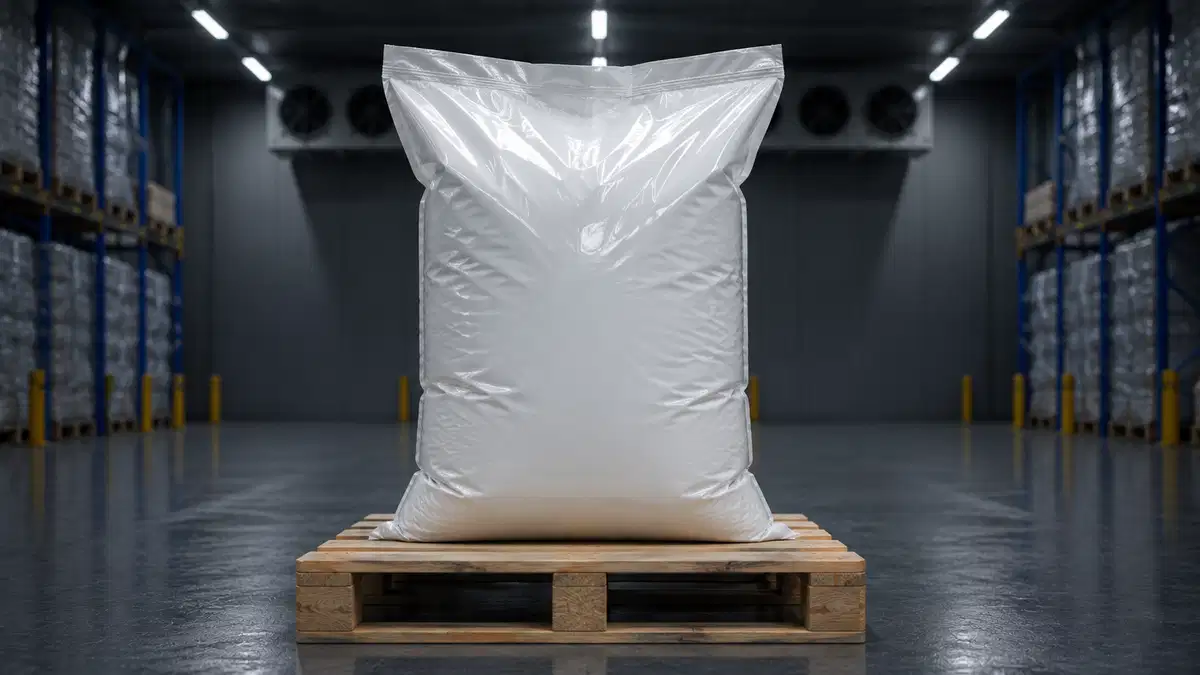

Consumers increasingly want to know not only what goes into their food but also where those ingredients come from. In September 2026, Innova Market Insights identified clean ingredient sourcing as a leading sustainability priority for consumers, reinforcing the importance of transparency throughout the food supply chain.
For food manufacturers, ingredient traceability provides a practical way to connect raw materials with their origins, suppliers, processing histories and supporting documentation. It also helps procurement teams identify supply chain risks, respond to quality concerns and substantiate claims about responsible sourcing.
As manufacturers expand their supplier networks and introduce new formulations, traceability becomes more than a recordkeeping exercise. It can strengthen supplier accountability, support regulatory compliance and give buyers greater confidence in the ingredients they purchase.
Why Ingredient Traceability Is Becoming a Sustainability Priority
Food manufacturers face growing expectations to demonstrate responsible business practices. Consumers may look for natural ingredients, recognizable ingredient names and products associated with environmental responsibility, but these preferences also create questions about the origins and production methods behind individual ingredients.
A product label alone rarely provides enough information to answer those questions. Manufacturers need reliable records that connect an ingredient to its source and establish what happened before it reached the production facility.
Ingredient traceability helps bridge this information gap by creating a documented history of raw materials across the supply chain. Depending on the ingredient and sourcing arrangement, that history can include its country of origin, production facility, processing method, batch number and movement between suppliers.
Several commercial benefits make this capability increasingly important:
Greater customer confidence: Manufacturers can provide evidence to support appropriate sourcing claims instead of relying on broad statements about sustainability.
Improved supplier accountability: Purchasing teams can identify which suppliers provide complete, consistent and credible documentation.
Faster issue resolution: Batch-level records help businesses identify affected materials and narrow the scope of a quality investigation.
Stronger procurement decisions: Buyers can assess supplier transparency alongside price, quality, availability and delivery performance.
Traceability also helps companies distinguish between an ingredient that simply meets a product specification and one whose origin and sourcing history they can substantiate.
What Ingredient Traceability Means Across the Food Supply Chain
Ingredient traceability follows a raw material from its origin through the stages that bring it into a finished food product. The level of detail depends on the ingredient, the complexity of the supply chain and the information available from each participant.
Consider a manufacturer purchasing citric acid for a beverage formulation. The procurement team needs to establish the supplier's identity, confirm the product grade and connect the delivered batch to relevant quality documents.
If the manufacturer also wants to make a sourcing-related sustainability claim, it may need additional evidence about the ingredient's production location, manufacturing process and the environmental or social standards relevant to that claim.
A useful traceability system connects several stages:
Origin: Identify the country, region, farm or manufacturing facility associated with the raw material, as applicable.
Processing: Record relevant transformation steps, including processing facilities and changes in the material's identity or composition.
Distribution: Link shipments, invoices, supplier records and receiving documents to the correct ingredient batches.
Manufacturing: Record which ingredient lots entered a particular production run and connect them to the finished product.
Verification: Maintain supporting documents that allow authorized teams to review the information and assess whether it supports the intended claim.
This chain of information becomes particularly valuable when manufacturers source through distributors, brokers and multiple processing facilities. Each additional handoff can create information gaps unless suppliers maintain consistent records and pass relevant details to the next buyer.
Which Documents Help Verify Ingredient Origins?
A supplier declaration can provide a useful starting point, but procurement teams should match documentation to the specific claim they intend to make. A certificate showing chemical purity, for example, does not automatically establish a raw material's geographical origin or environmental performance.
Manufacturers should establish documentation requirements before approving a supplier, rather than trying to collect missing evidence after an order arrives.
Important records can include:
Certificate of analysis (CoA): Provides batch-specific analytical results and helps confirm whether an ingredient meets the agreed specification. It supports quality verification, although it does not independently prove sustainability.
Certificate or declaration of origin: Identifies the stated origin of goods under the applicable documentation framework. Buyers should confirm what the document establishes and whether it covers the ingredient itself or only a particular trade transaction.
Technical data sheet (TDS): Describes relevant physical, chemical and application properties, helping buyers assess whether the ingredient suits the intended formulation.
Safety data sheet (SDS): Communicates relevant hazards, handling precautions and safety information where applicable. It is not a substitute for origin or sustainability evidence.
Batch and shipment records: Connect purchase orders, invoices, delivery documents and lot identifiers so buyers can follow materials through distribution.
Supplier sustainability documentation: May include audited certifications, environmental management information, responsible sourcing policies or evidence of compliance with specified agricultural and labor standards.
Not every ingredient requires every document. Procurement teams should create a risk-based checklist that reflects the material's intended use, applicable regulations and the claims the manufacturer plans to communicate.

How Responsible Sourcing Differs From Basic Traceability
Traceability and responsible sourcing support each other, but they serve different purposes. Traceability establishes where an ingredient came from and how it moved through the supply chain, while responsible sourcing evaluates the conditions and practices associated with obtaining it.
A manufacturer may trace a plant-derived ingredient to a specific region without knowing whether the supplier follows appropriate labor practices or manages environmental impacts effectively. Traceability makes investigation possible, but the company still needs suitable evidence to evaluate those issues.
Responsible sourcing programs may examine several factors:
Environmental management: Assess relevant issues such as water use, energy consumption, waste management and land-use impacts.
Labor practices: Review whether suppliers maintain appropriate working conditions and follow applicable labor requirements.
Agricultural practices: For plant-based materials, assess relevant cultivation methods, soil management and biodiversity considerations.
Ethical business conduct: Evaluate supplier policies, accountability procedures and processes for addressing reported misconduct.
Third-party verification: Use credible certifications or independent audits when they apply to the specific ingredient, facility and sourcing claim.
The appropriate assessment depends on the raw material. An agricultural ingredient may require information about farm practices, while a manufactured food additive may call for evidence about production facilities, process inputs and energy management.
Manufacturers should also distinguish between a supplier's written policy and demonstrated performance. A signed declaration describes a commitment, whereas suitable records, audit findings and documented corrective actions provide stronger evidence of how the supplier implements that commitment.
The Role of Suppliers, Importers and Chemical Traders
Food ingredient supply chains often involve manufacturers, exporters, importers, distributors and specialist chemical traders. These intermediaries help businesses access materials across markets, but every transfer of ownership or handling responsibility can introduce gaps in product and origin information.
Chemical traders can strengthen traceability by maintaining clear links between the original producer, the supplied grade and the delivered batch. They can also communicate documentation requirements to upstream partners before purchasing material for a customer.
For food-grade ingredients, buyers should prioritize suppliers who can provide consistent product identification and the documentation required for the intended application. Commercial descriptions alone may not establish that a particular grade meets food-use requirements.
A practical supplier assessment should cover:
Product identity and grade: Confirm the exact ingredient, specification, intended application and applicable food-grade requirements.
Source identification: Determine who manufactures the material and where the relevant production takes place.
Document continuity: Check that batch numbers and product descriptions match across the CoA, shipping documents and receiving records.
Change notifications: Agree how the supplier will communicate changes in manufacturing location, source material, formulation or production method.
Information access: Establish how quickly the supplier can provide supporting records when a customer raises a question or an incident requires investigation.
For imported ingredients, procurement teams should also account for differences in documentation practices across countries. A consistent internal checklist helps buyers compare suppliers without assuming that every market uses identical certificates or verification procedures.
Regulatory Compliance and Sustainability Claims
Traceability can support regulatory compliance, but manufacturers must understand the requirements that apply to each product and market. Food safety records, country-of-origin documentation and evidence for environmental claims serve different purposes, even when they refer to the same ingredient.
In the United States, the Food and Drug Administration's Food Traceability Rule establishes additional recordkeeping requirements for certain foods on the Food Traceability List. Covered businesses must maintain relevant records for specified critical tracking events and associated key data elements, subject to the rule's scope and exemptions.
European food businesses also operate within a regulatory framework that emphasizes traceability across relevant stages of food production, processing and distribution. Requirements vary according to the applicable legislation, product category and business activity.
For sustainability claims, manufacturers should be able to explain exactly what a statement means and which evidence supports it. Terms such as "responsibly sourced," "sustainable" or "environmentally friendly" can imply broad benefits that a single certificate or supplier statement may not establish.
Procurement and compliance teams should therefore:
Define the scope of each sourcing claim before collecting evidence.
Identify the relevant ingredient, supplier, facility, production period and geographical boundary.
Match supporting evidence to the specific environmental or social attribute being claimed.
Retain records that demonstrate how the business reached its conclusion.
Review claims when suppliers, sourcing regions or production methods change.
Traceability does not automatically prove sustainability. It creates the information foundation that allows manufacturers to assess sourcing practices and support carefully defined claims with appropriate evidence.
Technology and Data Management for Better Traceability
Digital recordkeeping can help manufacturers connect supplier information, ingredient batches and production records without depending on disconnected spreadsheets or paper files. The best solution depends on business size, sourcing complexity and the level of detail required.
Useful tools include supplier management platforms, enterprise resource planning systems and batch-tracking software. Some businesses also use QR codes or digital product records to make selected information easier to retrieve and share with authorized supply chain partners.
However, technology cannot compensate for incomplete or inaccurate supplier information. Manufacturers should first establish clear data standards and responsibilities, then select systems that make those standards easier to maintain.
A practical implementation approach includes:
Standardize ingredient records: Assign consistent identifiers to materials, suppliers, manufacturing sites and batches.
Connect purchasing and quality systems: Link purchase orders and receiving records with the corresponding certificates and inspection results.
Control document access: Ensure employees can retrieve relevant evidence while protecting confidential supplier information.
Review data regularly: Flag missing documents, inconsistent product names and expired certifications.
Prepare for audits and incidents: Test whether teams can retrieve the origin and movement history of a selected ingredient without unnecessary delays.
Manufacturers should also consider how suppliers will share information. A sophisticated platform offers limited value if smaller producers cannot use it or if different partners submit incompatible records.
Practical Challenges in Global Ingredient Sourcing
International food ingredient procurement presents several challenges that can weaken traceability even when companies maintain established supplier relationships.
First, intermediaries may have limited visibility into upstream production. A trader can provide accurate shipment records without having direct access to the original manufacturer's environmental data or agricultural sourcing information.
Second, documentation may become inconsistent when ingredients pass through several facilities. Repacking, blending or combining batches can complicate the connection between the original material and the finished ingredient unless businesses record these activities appropriately.
Manufacturers should pay particular attention to these risks:
Multiple sourcing locations: Suppliers may switch production sites or raw material origins without providing sufficient notice.
Blended materials: Ingredients from different origins may enter a single batch, requiring clear records of the contributing sources.
Uneven supplier capabilities: Small producers may lack formal digital systems or standardized sustainability documentation.
Conflicting claims: Marketing materials may use broad sustainability language that the available evidence does not fully support.
Cost and lead-time pressures: Buyers may face pressure to approve a cheaper or faster source before completing the required documentation review.
A risk-based procurement process helps balance commercial requirements with transparency. Manufacturers can apply more extensive verification to ingredients with complex origins, elevated environmental or social risks or a significant role in sustainability claims.
What Food Manufacturers Should Do Next
Food manufacturers can make ingredient traceability more effective by integrating it into routine purchasing decisions instead of treating it as a separate reporting exercise.
Start with ingredients that represent the greatest supply chain exposure or support important product claims. Map their suppliers, identify missing origin information and establish a consistent set of required records.
Procurement teams should then introduce clear supplier approval criteria and periodic reviews. These checks should cover document completeness, product consistency, sourcing changes and the supplier's ability to respond to requests for evidence.
Three actions can help businesses make measurable progress:
Build a supplier evidence register. Record ingredient origins, approved production sites, available certificates and outstanding documentation requirements.
Connect traceability with purchasing controls. Require appropriate documentation before approving new suppliers or accepting changes to established sourcing arrangements.
Measure performance over time. Track document completeness, supplier response times, unresolved information gaps and the proportion of priority ingredients with documented origins.
Manufacturers should communicate only what their evidence supports. When a business can connect ingredient origins with reliable supplier records and meaningful sourcing assessments, it can make more credible sustainability claims while improving procurement visibility.
As consumer expectations continue to evolve, ingredient traceability can help manufacturers build stronger supplier relationships, manage supply chain risks and compete on transparency as well as product quality.
Citric Acid Monohydrate (E330) CAS: 5949-29-1
SOURCE LINK: https://www.innovamarketinsights.com/trends/global-ingredient-trends-2026