Uses
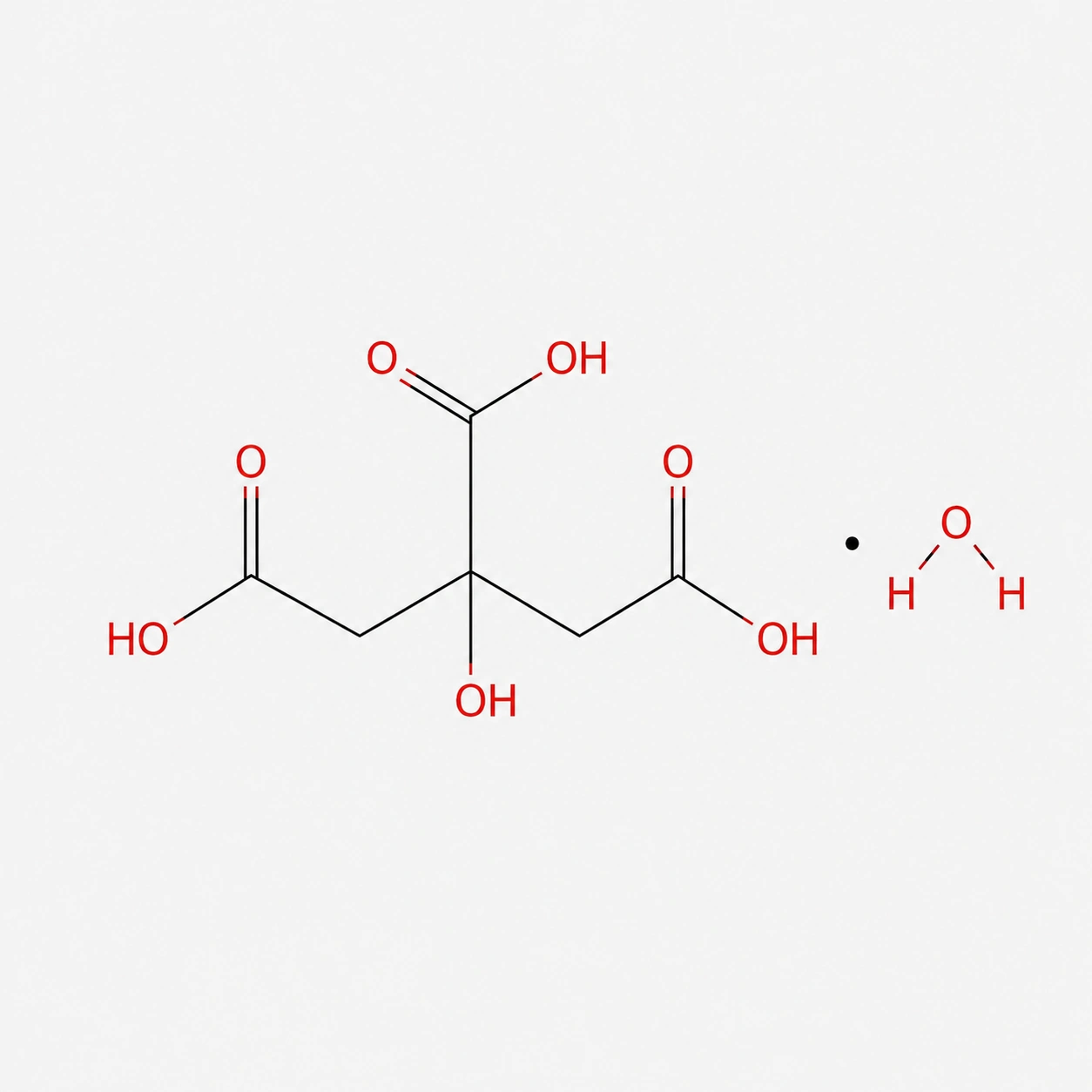
Citric acid monohydrate is one of the most widely used organic acids in the food ingredients market. Its main value is its ability to adjust acidity, sharpen flavor, improve preservative performance, control pH, and bind trace metals that may otherwise accelerate oxidation or color degradation.
In beverages, citric acid monohydrate is used in carbonated soft drinks, fruit juices, powdered drink mixes, energy drinks, flavored waters, ready-to-drink teas, and syrup concentrates. It gives a clean tartness, improves fruit flavor perception, balances sweetness, and supports microbial stability by lowering pH. In powdered beverages, it also contributes to rapid dissolution and a refreshing acidic profile.
In confectionery, it is used in gummies, sour candies, hard candies, fruit chews, jellies, and sugar coatings. It provides the sharp sour taste associated with fruit-flavored confectionery and can be blended with sugar or other food acids to create different sourness profiles. It is also used in controlled surface applications where a strong acid impact is needed.
In jams, jellies, fruit preparations, and fillings, citric acid monohydrate helps control pH for pectin gelation. Correct pH adjustment is critical because gel strength, texture, spreadability, flavor brightness, and shelf stability depend strongly on the acidity of the final product.
In dairy and processed cheese applications, citric acid and citrate systems can support pH regulation, emulsification, and mineral balance. It may be used in processed cheese, cream cheese-style products, dairy beverages, and other systems where acidity control and protein stability are important.
In bakery and dry mix products, citric acid monohydrate can be used as an acid component in leavening systems, especially when combined with bicarbonates. It may also appear in dessert mixes, instant powders, seasoning blends, and dry sauces where acidification is needed after reconstitution.
In meat, seafood, and processed foods, it can be used to adjust pH, support flavor balance, improve antioxidant systems, and reduce metal-catalyzed oxidation. It is not a stand-alone preservative for all systems, but it is often part of a broader preservation strategy involving pH, water activity, heat treatment, packaging, and other approved ingredients.
Beyond food and beverages, citric acid monohydrate is used in pharmaceuticals, nutraceuticals, cosmetics, personal care, detergents, water treatment, and industrial cleaning. Its chelating properties make it useful for binding metal ions, stabilizing formulations, and supporting descaling applications. Industrial literature describes citric acid applications across food, beverage, pharmaceuticals, cosmetics, detergents, metal cleaning, and other sectors.
Methods of Manufacturing
Commercial production of citric acid is mainly based on fermentation of carbohydrate feedstocks such as molasses, glucose syrup, sucrose, or other sugar-rich substrates. The fermentation is commonly carried out using selected strains of Aspergillus niger, which accumulate citric acid under controlled process conditions. Scientific literature identifies fermentation as the dominant industrial route for citric acid production and notes that Aspergillus niger is widely used because of its high citric acid productivity and ability to utilize a range of raw materials.
The process begins with preparation of a sugar-containing medium, followed by sterilization, inoculation, fermentation, and controlled aeration. Fermentation parameters such as pH, temperature, oxygen supply, trace metal concentration, carbon source, nitrogen level, and phosphate concentration influence yield and product quality. After fermentation, the broth is separated from fungal biomass and then processed to recover citric acid.
A traditional recovery route involves precipitation with calcium hydroxide to form calcium citrate, followed by acidulation with sulfuric acid to release citric acid and form calcium sulfate as a by-product. The crude citric acid solution is then purified through filtration, decolorization, ion exchange, concentration, and crystallization. Industrial references also describe recovery methods and downstream processing as key parts of citric acid production.
The monohydrate form is obtained through crystallization under conditions that favor incorporation of one molecule of water into the crystal lattice. In practical commercial terms, producers control crystallization temperature, concentration, residence time, and drying conditions to achieve the required crystal form, purity, particle size, and moisture profile. Final product is usually dried, screened, packed in moisture-protective packaging, and released according to food-grade, pharmaceutical-grade, or technical-grade specifications.