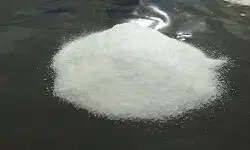
Vanillin
- IUPAC Name
- 4-hydroxy-3-methoxybenzaldehyde
- Molecular Formula
- C8H8O3
- Molecular Weight (g/mol)
- 152.1500
- Synonyms & Trade Names
- Vanillin; Vanilla aldehyde; 3-Methoxy-4-hydroxybenzaldehyde; E620
- Purity / Assay (%)
- 99% min
- Grade / Quality Level
- Food Grade
Categories
Technical Document
Brief Overview
Vanillin is a phenolic aldehyde with the molecular formula of C8H8O3 and consists of functional groups of aldehyde, hydroxyl, and ether. Vanillin is naturally found in species of plants such as Leptotes bicolor and the Chinese red pine. Vanillin was first isolated as a relatively pure substance in 1858 by Nicolas-Theodore Gobley by evaporating a vanilla extract to dryness and recrystallizing the resulting solids from hot water. Vanillin is used in the food industry as a cheap flavoring agent for foods.
Manufacturing Process
The first commercial synthesis of natural vanillin is synthesized from a natural compound called eugenol, found in clove oil and waste Lignin material. Commercial artificial vanillin is prepared from either guaiacol or lignin. It is also prepared naturally from the seed pods of vanilla planifolia. Vanillin is chemically synthesized by which guaiacol reacts with glyoxylic acid by electrophilic aromatic substitution. The resulting vanillylmandelic acid is converted via 4-hydroxy-3-methoxyphenylglyoxylic acid to vanillin by oxidative decarboxylation.