
Información relacionada

Q2 Earnings Season Offers Early Clues on 2026's Second‑Half Food Ingredient Cost Trajectory
Q2 earnings reports from global chemical and ingredient producers are revealing whether recent pricing gains are temporary or demand‑driven. This distinction is critical for food ingredient buyers as they forecast cost trajectories for the second half of 2026. Understanding the underlying drivers helps procurement teams make smarter sourcing decisions ου

A Second Strait at Risk: What Bab el-Mandeb Closure Would Mean for Food Ingredient Shipping Costs
A potential closure of the Bab el-Mandeb Strait could force food ingredient shipments to reroute around the Cape of Good Hope, adding approximately 2,700 miles to key trade routes. Discover how longer transit times, higher freight costs and supply chain delays could impact global food ingredient procurement.
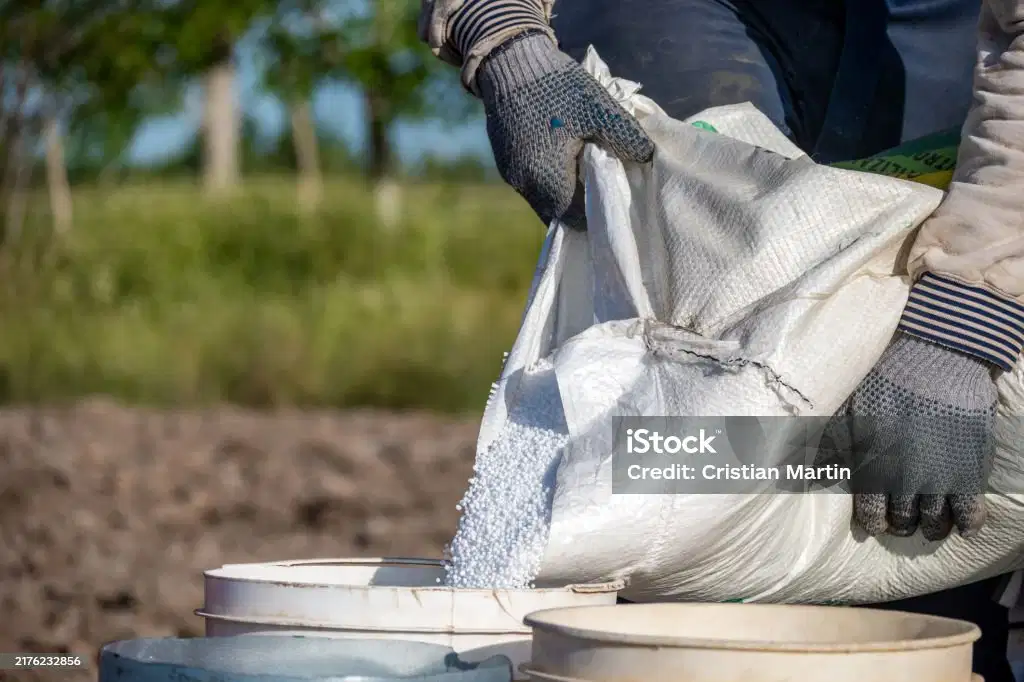
Yara's Sharp Sales Increase in 2025: What Fertilizer Recovery Means for Food Ingredient Feedstock Costs
Yara's strong sales growth reflects a broader fertilizer market recovery that is reshaping agricultural input costs worldwide. Food ingredient procurement professionals should understand how rising fertilizer prices can influence the cost of corn, sugar, palm oil and cassava, the essential feedstocks behind many food ingredients.

Corn Starch and the Automotive Demand Signal: Why Car Sales Matter for Food Ingredient Costs
US vehicle sales influence more than the automotive industry. Through ethanol demand, changing gasoline consumption can affect corn availability and ultimately the pricing of corn starch, glucose and high fructose corn syrup used across the food industry.

Vanilla: Madagascar July Crop Reports and the Clean-Label Procurement Decision for H2 2026
Madagascar's July 2026 crop reports could reshape natural vanilla pricing and procurement strategies for the second half of the year. Food manufacturers and ingredient buyers must evaluate supply outlook, clean-label commitments and contract timing before finalizing flavor sourcing decisions.
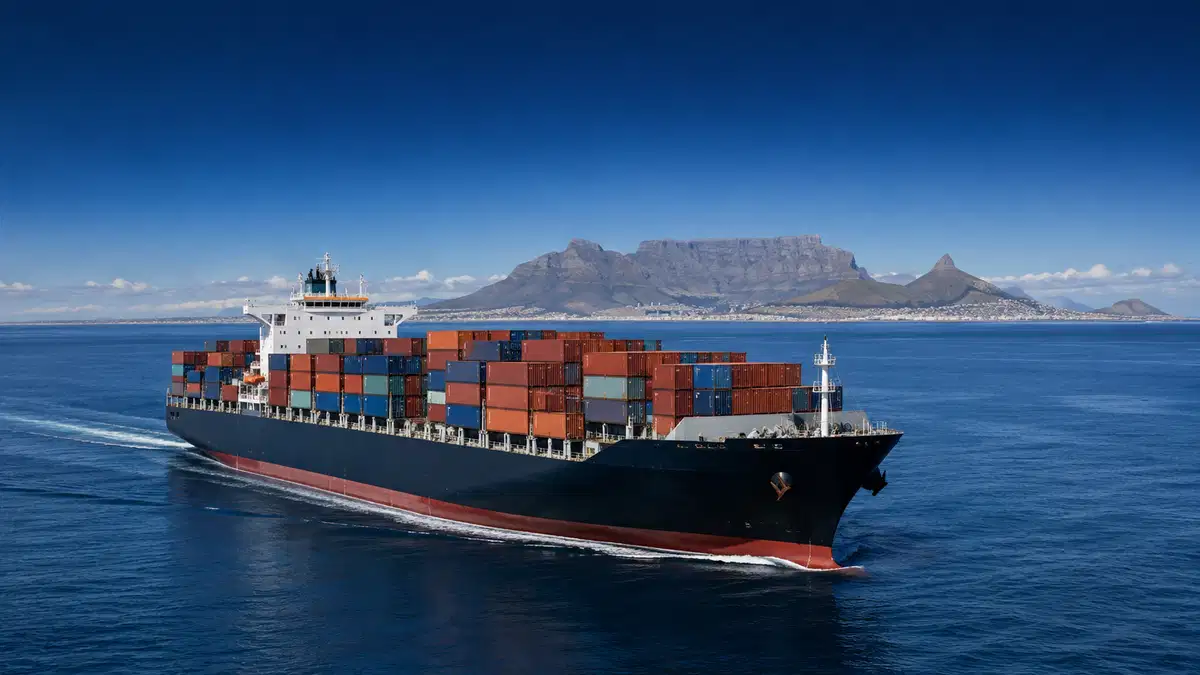
El doble cierre del Mar Rojo y la logística de los ingredientes alimentarios: cómo dos corredores bloqueados están remodelando las cadenas de suministro de Europa y Asia
El doble cierre del Mar Rojo continúa remodelando la logística de ingredientes alimentarios entre Asia y Europa, a pesar de la mejora de las condiciones de envío en el Golfo. Los equipos de compras ahora se enfrentan a tiempos de tránsito más largos, costos de flete más altos y nuevas estrategias de abastecimiento, ya que las rutas del Cabo siguen siendo la única opción práctica.
¡No te pierdas nuestras actualizaciones! Suscríbete ahora a nuestro boletín
Estamos comprometidos con tu privacidad. Tradeasia utiliza la información que proporcionas para contactarte sobre contenido, productos y servicios relevantes. Para más información, consulta nuestra política de privacidad.