Introduction
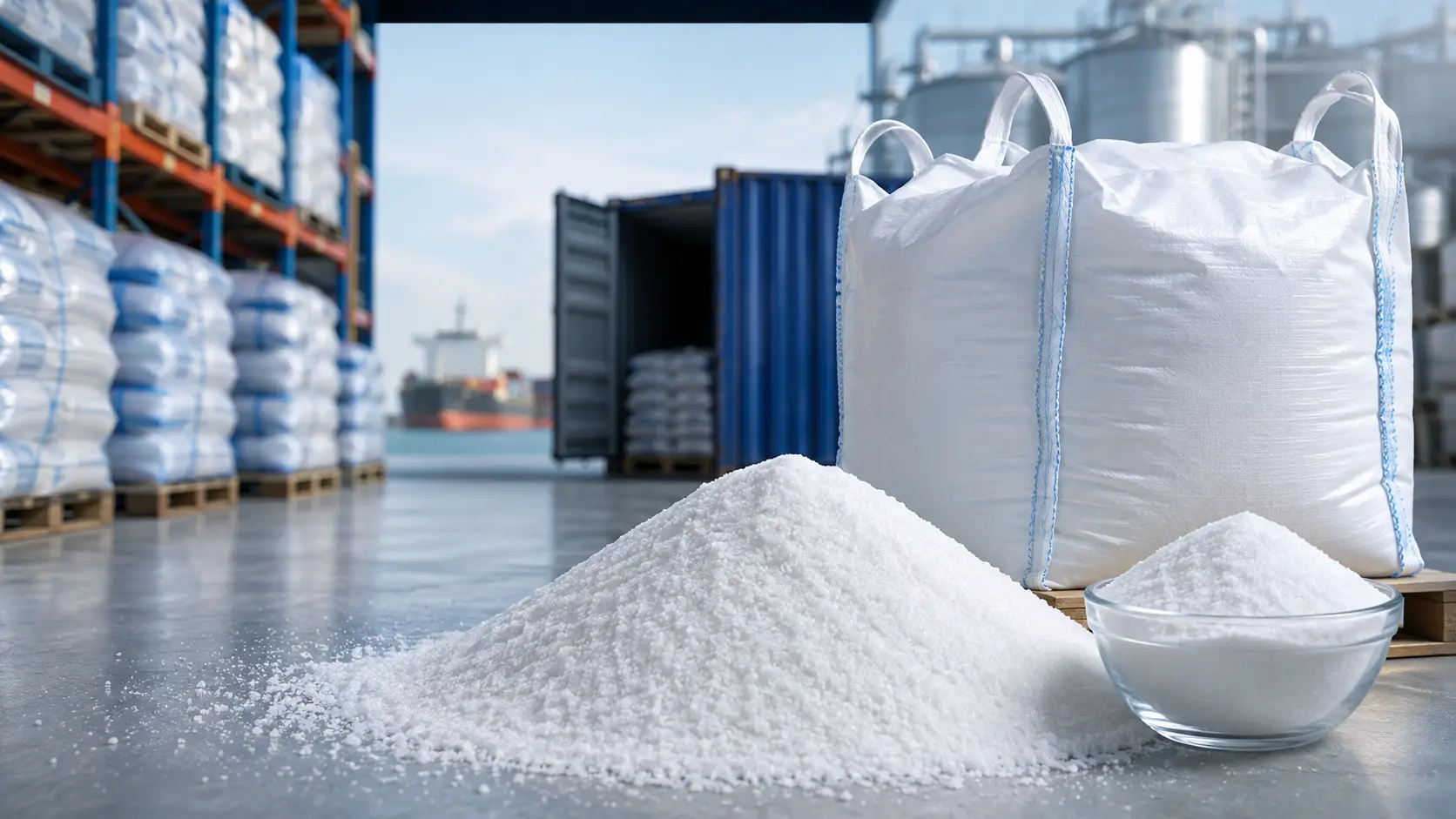
Calcium carbonate continues to serve as one of the most versatile platform minerals in global industrial chemistry, widely used in plastics, paper, paints, construction, and pharmaceuticals. As of 2026, the calcium carbonate market reflects a structurally mature yet steadily expanding ecosystem, supported by downstream diversification and regional manufacturing shifts. The market is projected to grow at a CAGR of 4.8%, driven by infrastructure development and rising demand for functional fillers. With global production surpassing 140 million metric tons, calcium carbonate remains a cornerstone material shaping industrial supply chains and cost structures worldwide.
Global Supply Chain Structure and Raw Material Dynamics
The calcium carbonate supply chain begins with high-purity limestone extraction, followed by crushing, grinding, and either dry or wet processing. Quarry proximity to industrial hubs remains critical in minimizing logistics costs. However, tightening environmental regulations in Europe and parts of Asia have increased permitting timelines, creating intermittent raw material bottlenecks. This has encouraged vertical integration, with producers securing long-term limestone reserves to stabilize output and maintain consistent quality for downstream industries.
Production Hubs and Capacity Expansion Trends
China continues to dominate global output, followed by India, the United States, and parts of Southeast Asia. Expansion projects in Vietnam and Indonesia are reshaping regional trade flows as manufacturers seek lower-cost production bases. Global average production costs range between USD 55–95/MT, while refined precipitated calcium carbonate (PCC) commands significantly higher value due to purity specifications. Capacity additions in Asia are expected to offset tightening European output caused by stricter carbon regulations and energy pricing volatility.
Pricing Pressure and Trade Flow Realignment
Market pricing in 2026 remains influenced by freight fluctuations and energy inputs, with bulk calcium carbonate trading between USD 120–160/MT depending on grade and region. Ocean freight disruptions and container shortages have pushed buyers toward localized sourcing strategies. As a result, intra-Asian trade is accelerating, while long-haul exports from Europe face margin compression. This shift is gradually decentralizing traditional trade routes and encouraging regional self-sufficiency.
Demand Drivers and Downstream Industrial Integration
Demand growth is primarily anchored in the paper industry, plastics compounding, and construction materials such as cement and adhesives. Calcium carbonate’s role as a cost-effective filler and brightness enhancer ensures its continued integration across value chains. The compound annual expansion of downstream construction activity in emerging markets is reinforcing long-term consumption stability despite cyclical industrial slowdowns.
Conclusion
As calcium carbonate strengthens its position as a foundational industrial mineral, its supply chain is becoming more regionally adaptive, cost-sensitive, and sustainability-driven. In this evolving environment, calcium carbonate as a platform chemical continues to underpin efficiency across multiple sectors, offering both functional and economic advantages. Companies seeking reliable sourcing, optimized logistics, and consistent product quality are increasingly aligning with integrated global partners. Tradeasia International stands out as a strategic solution provider, enabling seamless procurement and distribution across complex chemical supply networks.
Sources
https://www.usgs.gov/centers/national-minerals-information-center
https://www.grandviewresearch.com/industry-analysis/calcium-carbonate-market
https://www.imarcgroup.com/calcium-carbonate-technical-material-market-report