
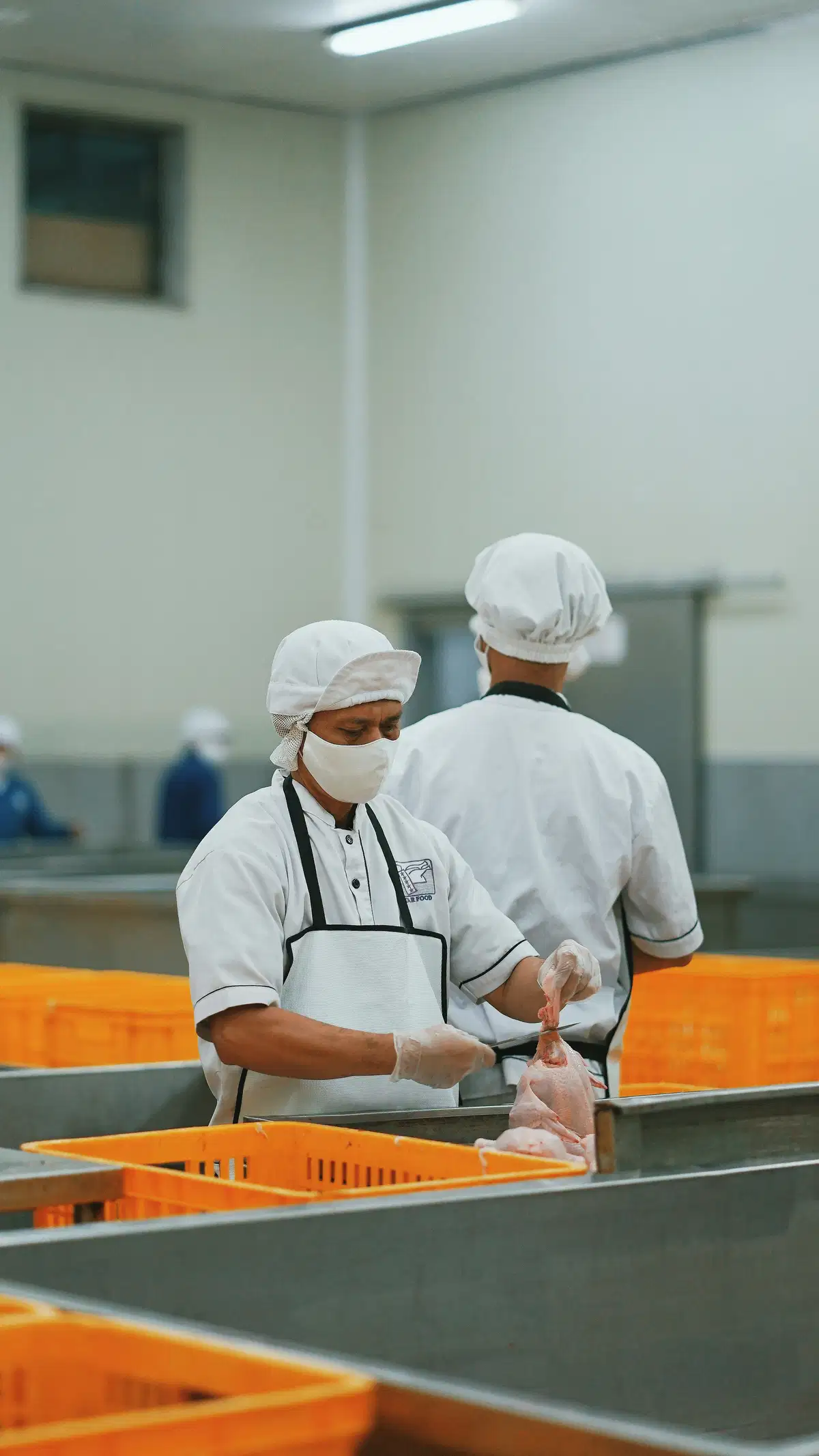
相关洞察

Q2 Earnings Season Offers Early Clues on 2026's Second‑Half Food Ingredient Cost Trajectory
Q2 earnings reports from global chemical and ingredient producers are revealing whether recent pricing gains are temporary or demand‑driven. This distinction is critical for food ingredient buyers as they forecast cost trajectories for the second half of 2026. Understanding the underlying drivers helps procurement teams make smarter sourcing decisions ου
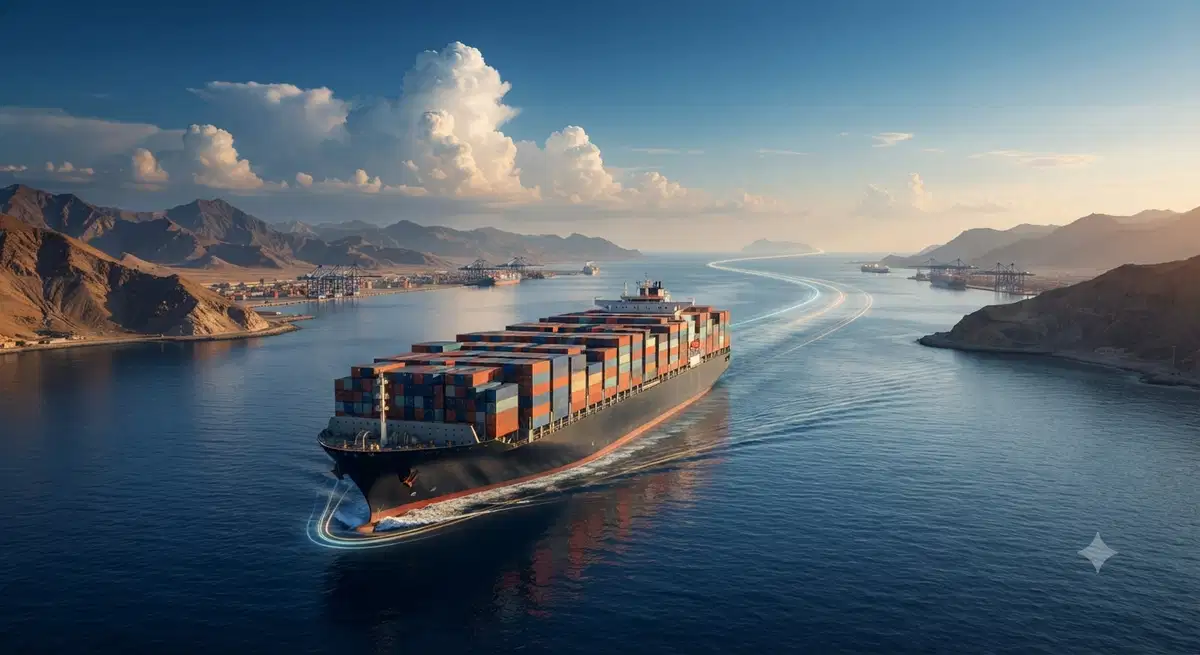
A Second Strait at Risk: What Bab el-Mandeb Closure Would Mean for Food Ingredient Shipping Costs
A potential closure of the Bab el-Mandeb Strait could force food ingredient shipments to reroute around the Cape of Good Hope, adding approximately 2,700 miles to key trade routes. Discover how longer transit times, higher freight costs and supply chain delays could impact global food ingredient procurement.
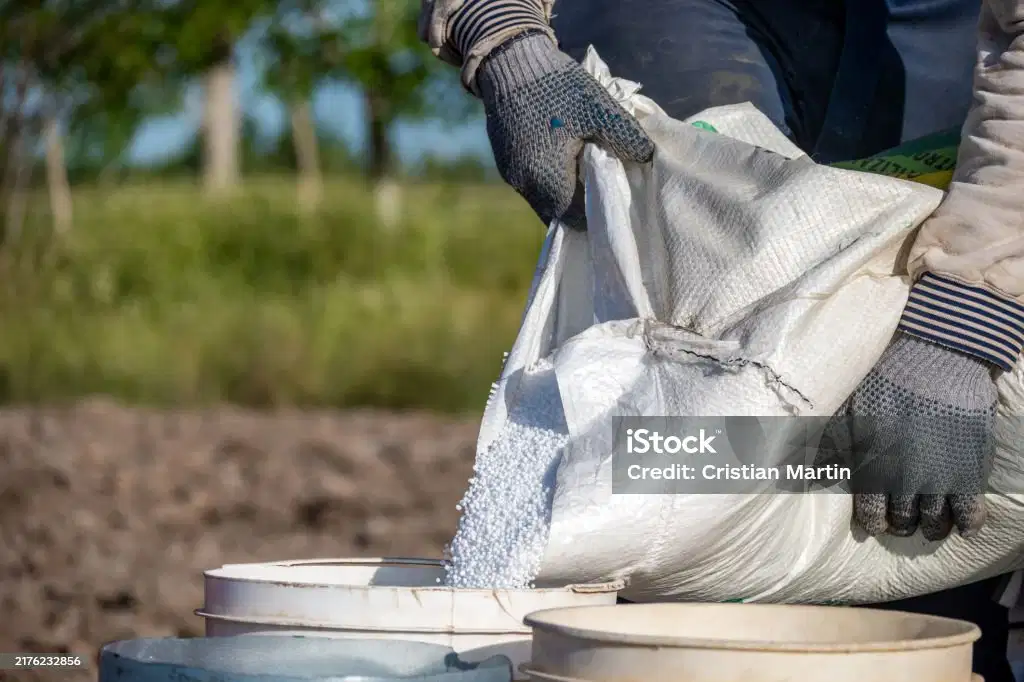
Yara's Sharp Sales Increase in 2025: What Fertilizer Recovery Means for Food Ingredient Feedstock Costs
Yara's strong sales growth reflects a broader fertilizer market recovery that is reshaping agricultural input costs worldwide. Food ingredient procurement professionals should understand how rising fertilizer prices can influence the cost of corn, sugar, palm oil and cassava, the essential feedstocks behind many food ingredients.
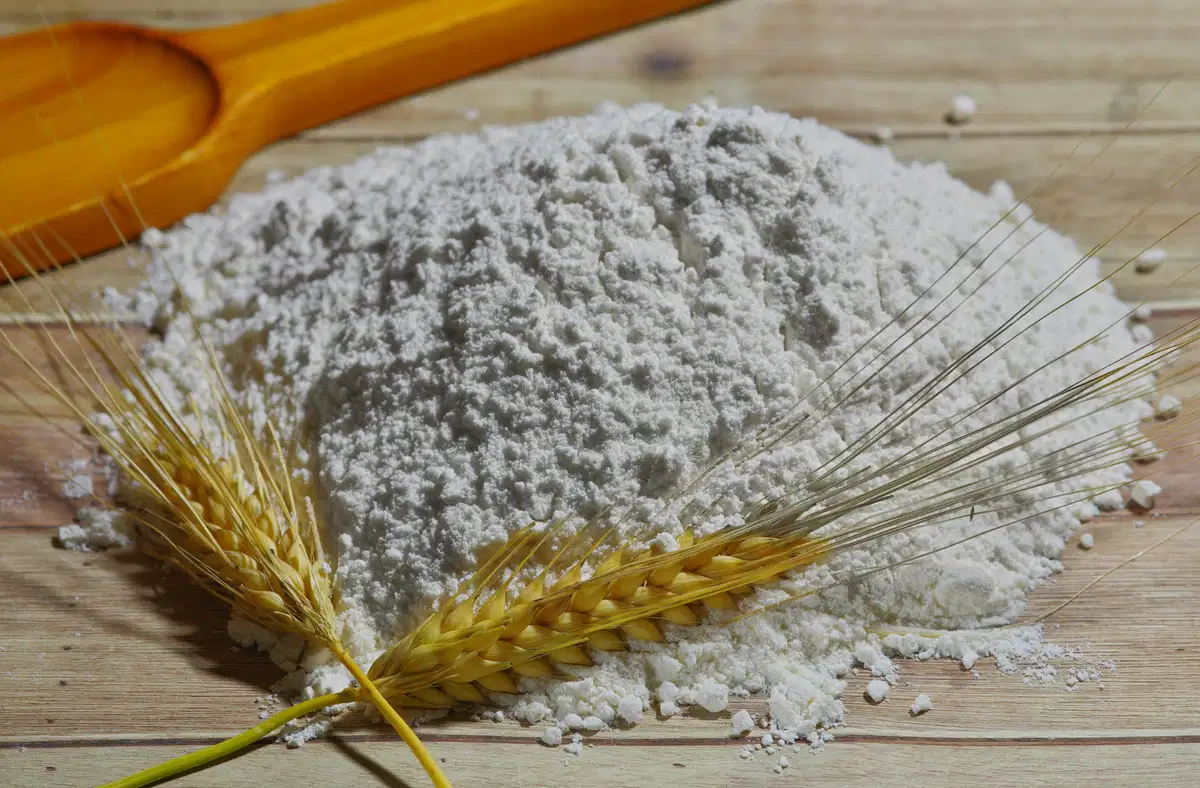
Corn Starch and the Automotive Demand Signal: Why Car Sales Matter for Food Ingredient Costs
US vehicle sales influence more than the automotive industry. Through ethanol demand, changing gasoline consumption can affect corn availability and ultimately the pricing of corn starch, glucose and high fructose corn syrup used across the food industry.

Vanilla: Madagascar July Crop Reports and the Clean-Label Procurement Decision for H2 2026
Madagascar's July 2026 crop reports could reshape natural vanilla pricing and procurement strategies for the second half of the year. Food manufacturers and ingredient buyers must evaluate supply outlook, clean-label commitments and contract timing before finalizing flavor sourcing decisions.
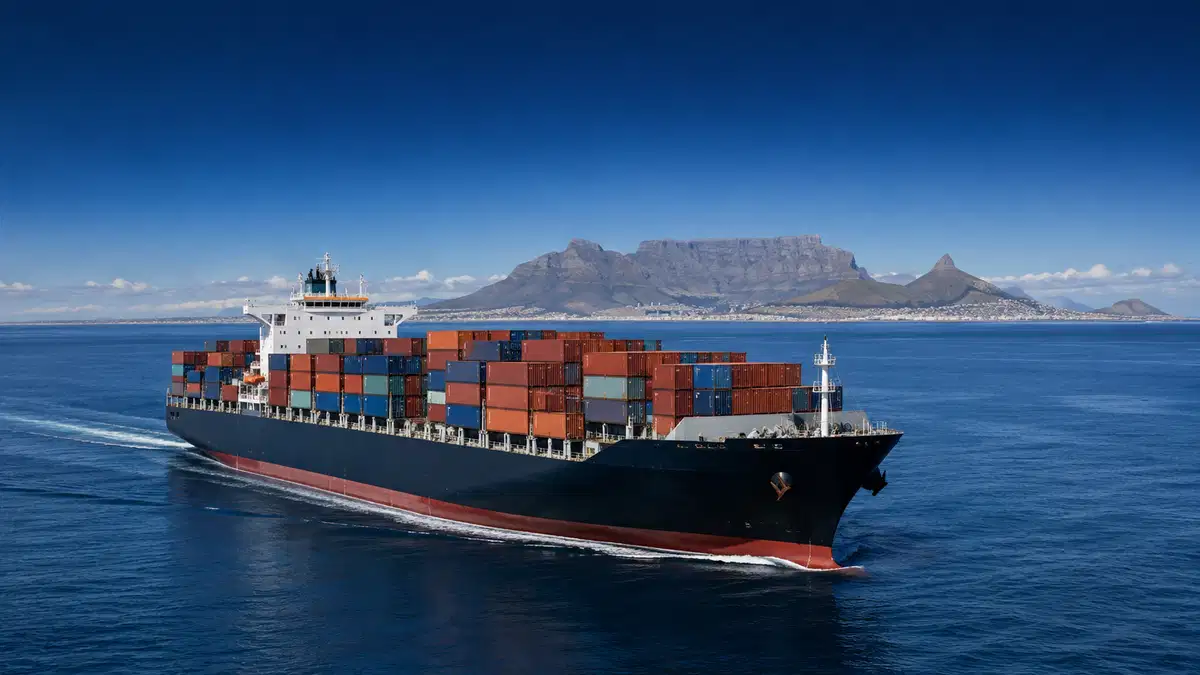
红海双重封锁和食品原料物流:两条封锁的走廊如何重塑欧亚供应链
尽管海湾航运条件有所改善,但红海双重封锁继续重塑亚洲和欧洲之间的食品原料物流。由于Cape路线仍然是唯一可行的选择,采购团队现在面临更长的运输时间、更高的运费成本和新的采购策略。
不要错过我们的更新!立即订阅我们的新闻通讯
我们重视您的隐私。Tradeasia 会使用您提供的信息,就相关内容、产品和服务与您联系。更多信息请查看我们的隐私政策。