
相关洞察
Fertilizer and Food Chain Risk Resurfaces as the Hormuz Agreement Collapses
The collapse of the interim reopening agreement in the Strait of Hormuz has reignited fears over fertilizer supply chains, pushing ammonia, urea میر and phosphate shipments into a state of uncertainty. The resulting ripple effects threaten to raise food ingredient costs_ph and alter global procurement strategies. Agriculture, food manufacturers and retailers must brace for a new era of volatility.

零售商去除染料的承诺:2026-2027年的截止日期对食品制造商意味着什么
零售商正在收紧合成食品染料的标准,设定了2026-2027年的最后期限,迫使制造商重新审查原料采购和重新配方策略。向天然着色剂和清洁标签合规性的转变重塑了产品开发、成本结构和供应链。本文详细介绍了食品公司的承诺、影响和实际步骤。

PFAS in Packaging: Why the 25 ppb Threshold Matters for Food Contact Supply Chains
The new PFAS thresholds under the PPWR will reshape food packaging procurement long before wider PFAS restrictions arrive. Understand what the 25 ppb limit means for chemical suppliers, formulators and procurement teams preparing for compliance.
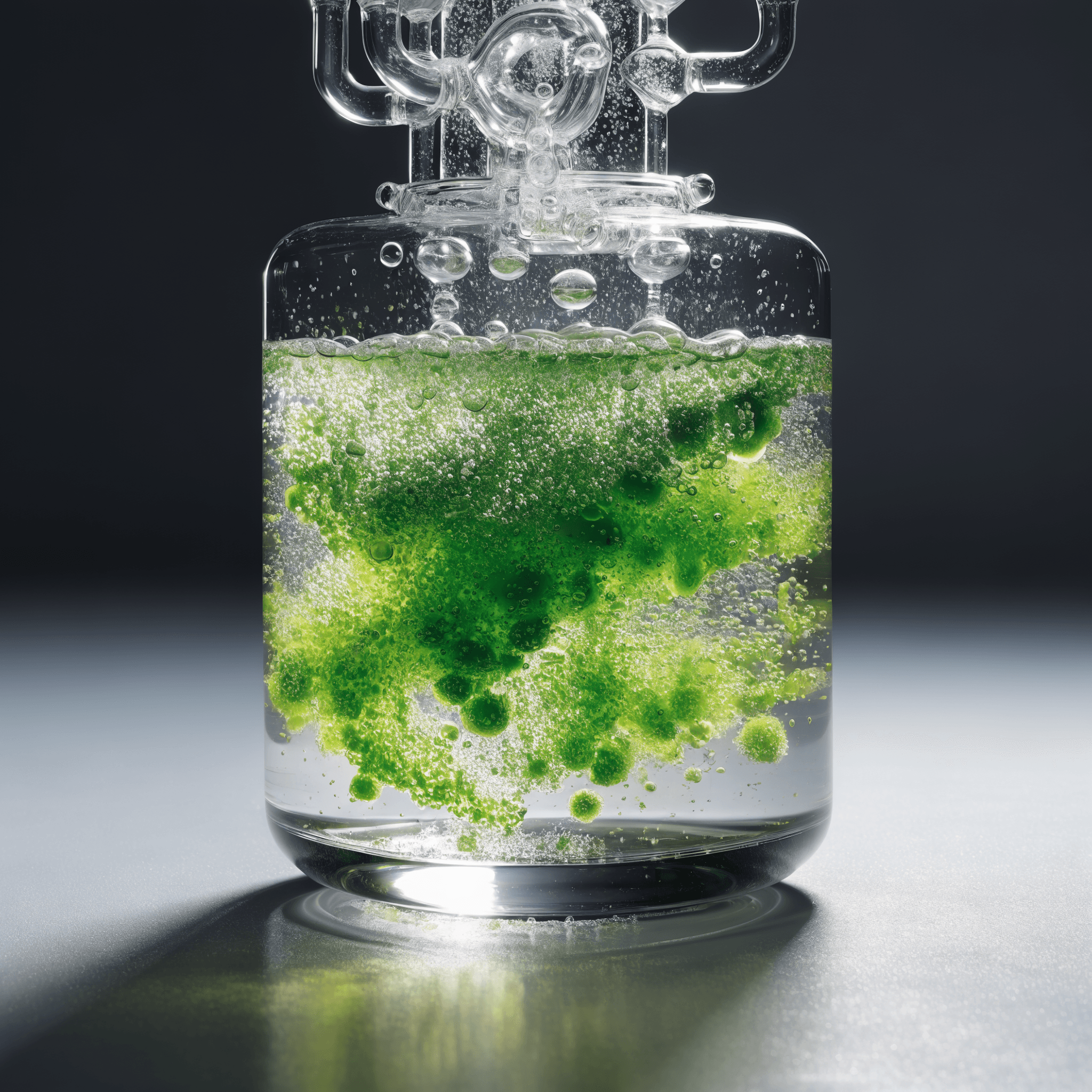
藻油和海洋生物基成分:针对食品原料买家的独立供应策略
在全球运输中断期间,藻类 DHA、虾青素和 β-葡聚糖等发酵基海洋成分为食品制造商提供了更具弹性的供应链。采购团队应该了解为什么生产地理位置与原料性能一样重要。

柠檬酸:随着运费减免的临近,中国生产商重新评估下半年的出口价格
在缓解船用燃料成本的情况下,中国柠檬酸生产商正在重新评估2026年下半年的出口合同,这可能会降低运费并重塑定价动态。这种转变可能会使寻求具有成本效益的进口的全球食品添加剂买家受益。
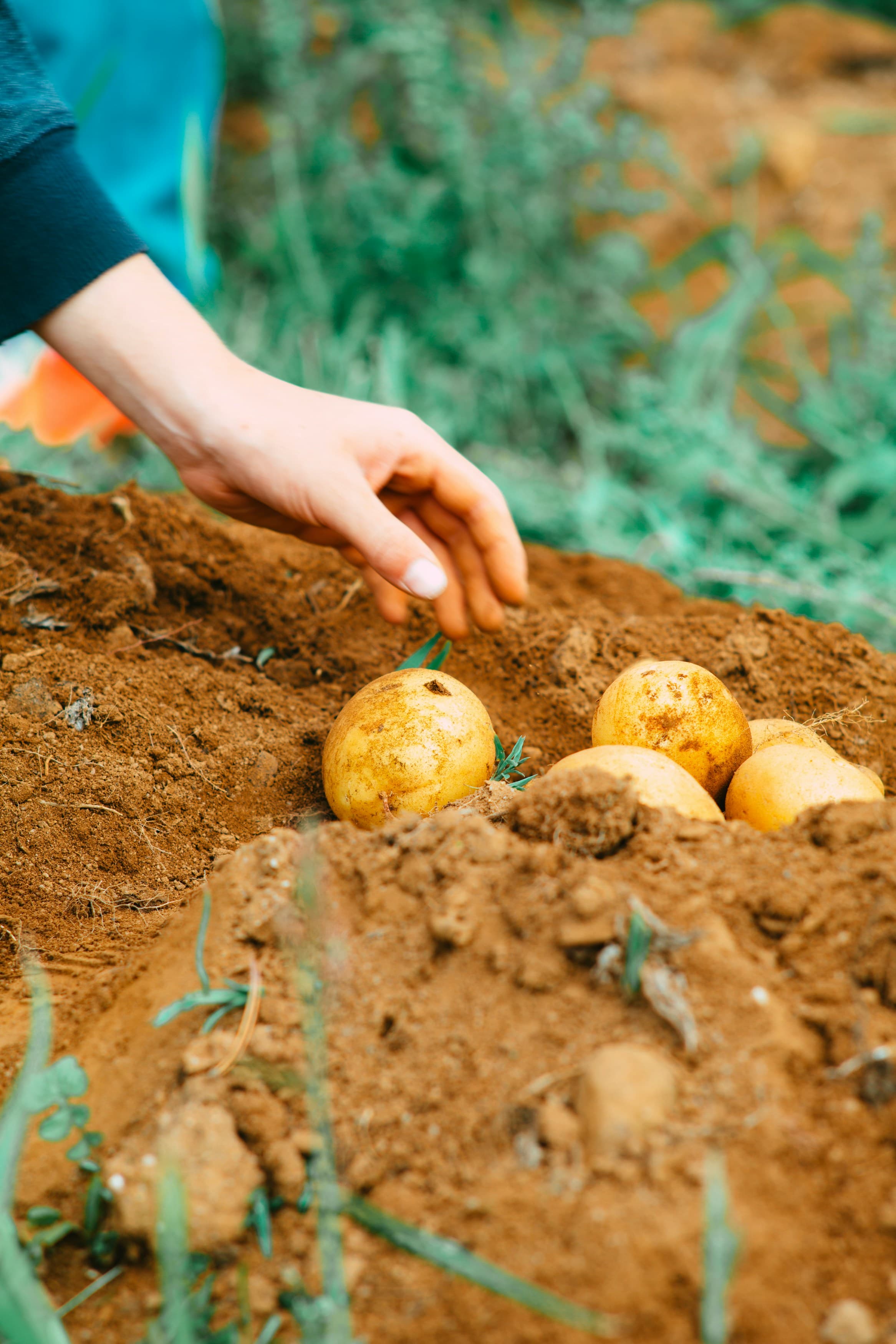
食品通胀后果:霍尔木兹危机使海湾消费食品价格上涨40-120%
随着海湾供应链从霍尔木兹危机和货运中断中恢复过来,食品原料购买者继续面临更高的成本。
不要错过我们的更新!立即订阅我们的新闻通讯
我们重视您的隐私。Tradeasia 会使用您提供的信息,就相关内容、产品和服务与您联系。更多信息请查看我们的隐私政策。