
相关洞察

PFAS in Packaging: Why the 25 ppb Threshold Matters for Food Contact Supply Chains
The new PFAS thresholds under the PPWR will reshape food packaging procurement long before wider PFAS restrictions arrive. Understand what the 25 ppb limit means for chemical suppliers, formulators and procurement teams preparing for compliance.

零售商去除染料的承诺:2026-2027年的截止日期对食品制造商意味着什么
零售商正在收紧合成食品染料的标准,设定了2026-2027年的最后期限,迫使制造商重新审查原料采购和重新配方策略。向天然着色剂和清洁标签合规性的转变重塑了产品开发、成本结构和供应链。本文详细介绍了食品公司的承诺、影响和实际步骤。
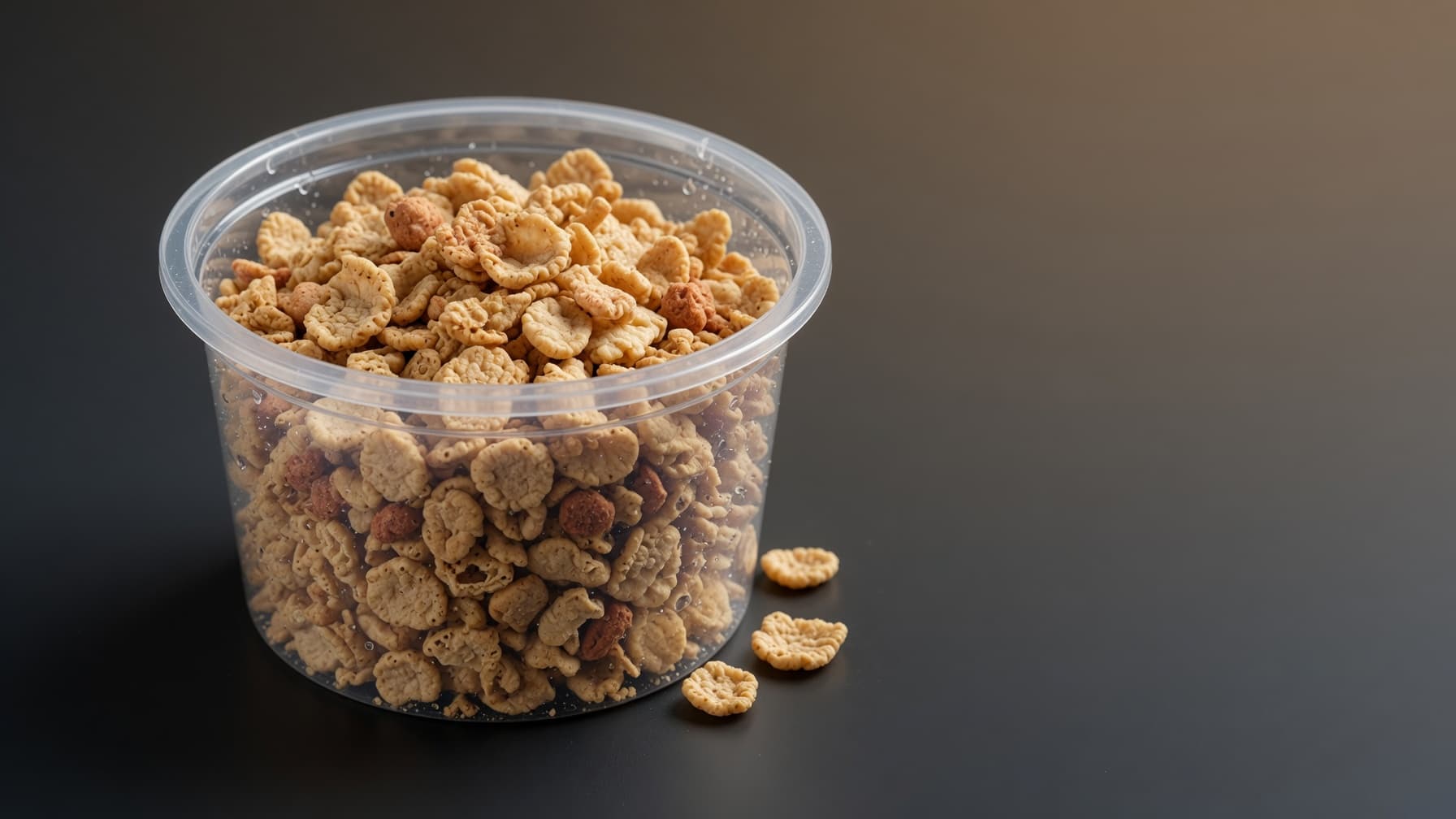
植物基蛋白:为什么可追溯性是原料采购的新竞争优势
随着对纹理大豆蛋白和其他植物基成分需求的增长,可追溯性已成为监管合规和供应链信心的关键要求。采购团队应加强成分透明度,以保护产品质量和市场准入。
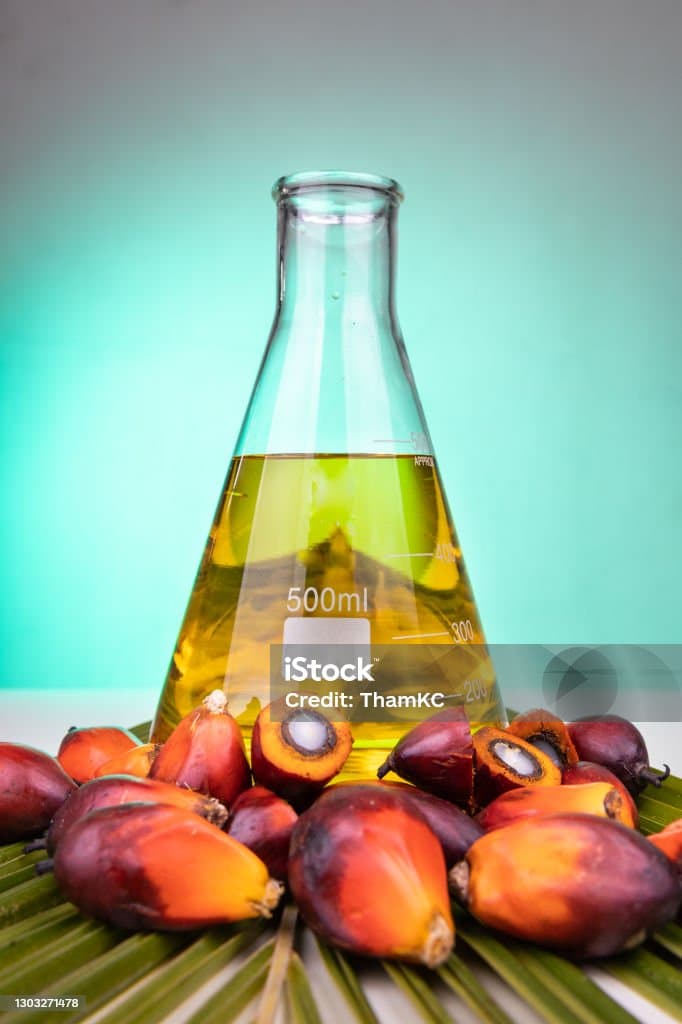
Palm Oleochemicals and the EUDR: How the Deforestation Regulation Reshapes Sourcing Options
The EU Deforestation Regulation is changing how palm-derived food ingredients are sourced and documented. Procurement professionals supplying the European market must understand the ingredient-level documentation requirements and supplier audit expectations to maintain compliant supply chains.
“让美国恢复健康” 运动和化学法规:C&EN的分析证实了这一点
C&EN的2026年展望突显了对食品添加剂、消费化学品和环境暴露以及更广泛的工业放松管制的政策关注日益增加。随着监管优先事项的变化,采购专业人员应注意以下内容。
Lecithin Supply: Soy, Sunflower and Rapeseed Sources and the GMO Labelling Implication
Soy, sunflower and rapeseed lecithin each offer distinct supply chain, functionality and regulatory characteristics. For procurement teams supplying the EU food market, verifying GMO status has become a mandatory compliance requirement rather than a sourcing preference.
不要错过我们的更新!立即订阅我们的新闻通讯
我们重视您的隐私。Tradeasia 会使用您提供的信息,就相关内容、产品和服务与您联系。更多信息请查看我们的隐私政策。