Introduction
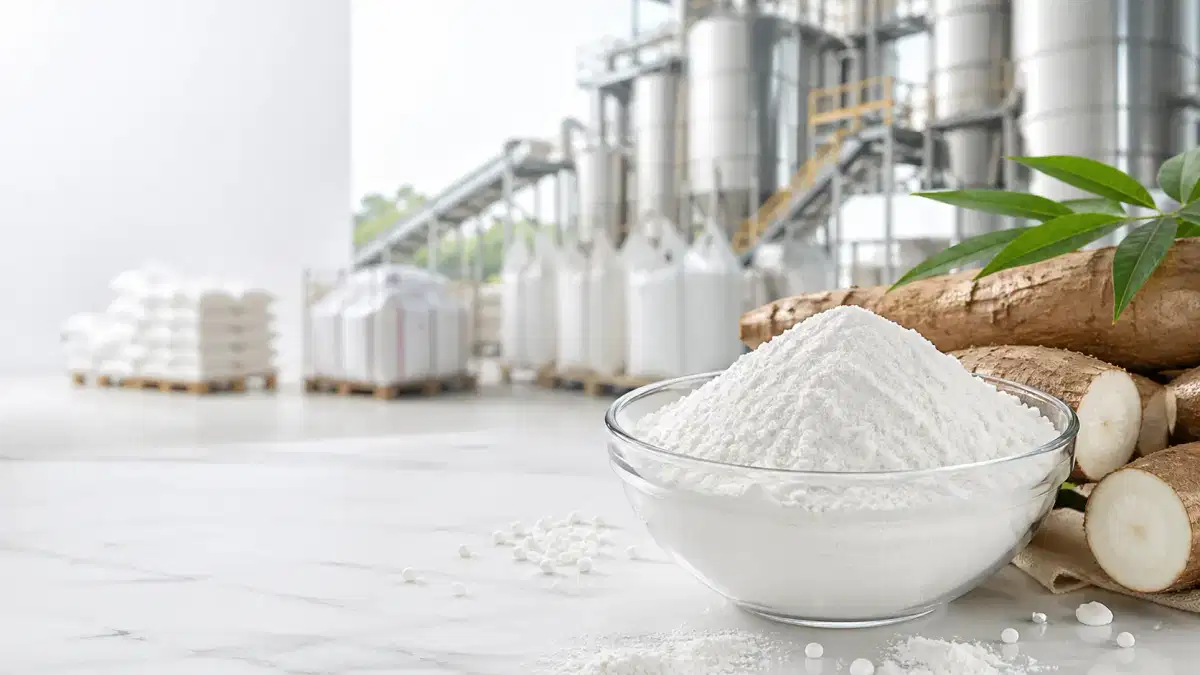
The Asia-Pacific region has long been the epicenter of the global monosodium glutamate market, both as the largest producer and the most dynamic consumer. As we advance into the final quarter of 2025, this dominance is not only consolidating but evolving in sophisticated ways. The food ingredient industry across Asia is experiencing a transformative phase, driven by urbanization, changing dietary patterns, and a renaissance of appreciation for authentic, flavor-rich culinary experiences. Monosodium glutamate, the quintessential umami enhancer, sits at the heart of this transformation, seeing unprecedented demand from both traditional food sectors and innovative new product development.
This article provides a comprehensive analysis of the monosodium glutamate market trends shaping Asia in Q4 2025. We will delve beyond surface-level growth figures to examine the regional nuances, supply chain considerations, and evolving applications that define the current landscape. For businesses seeking to capitalize on this growth, understanding the interplay between market demand and reliable sourcing through established B2B chemical distributor networks is paramount. The stability and quality of your MSG supply chain can be a significant competitive advantage in this bustling market.
The Unstoppable Rise of Umami: MSG's Market Drivers
Several powerful, interconnected forces are fueling the robust demand for monosodium glutamate across Asia. Primarily, the rapid urbanization and rising disposable incomes in countries like India, Vietnam, Indonesia, and the Philippines are leading to increased consumption of processed, convenience, and packaged foods. MSG is a critical food additive in this sector, as it enhances palatability, allows for reduced sodium content without sacrificing taste, and is cost-effective for large-scale production. The growth of quick-service restaurants (QSRs) and the ready-to-eat meal segment directly correlates with higher MSG procurement.
Secondly, a significant cultural shift is underway. The historical stigma surrounding MSG in some Western markets has largely been debunked by scientific bodies like the FDA and EFSA, which recognize it as safe for general consumption. In Asia, this reevaluation, coupled with a deep-rooted culinary tradition that celebrates umami, has led to a renewed and proud incorporation of monosodium glutamate in both home cooking and gourmet contexts. Consumers are increasingly educated about umami as the fifth basic taste, seeking it out for a more satisfying and authentic flavor profile in everything from soups and sauces to snacks and seasonings.
Furthermore, the ingredient industry's focus on "clean label" and natural flavor enhancement has paradoxically benefited high-quality MSG. Derived from the fermentation of sugarcane, molasses, or starch, it is perceived as more natural compared to complex artificial flavor cocktails. Manufacturers are leveraging this by using MSG strategically to reduce E-numbers on labels while maintaining intense flavor, a trend particularly noticeable in premium snack and instant noodle innovations launching in Q4 2025.
Key Regional Dynamics Across Asia in Q4 2025
The Asian monosodium glutamate market is not monolithic; it presents a tapestry of varied growth rates and consumption patterns. China remains the undisputed giant, both in production and consumption. However, Q4 2025 is seeing a strategic shift as Chinese producers focus on higher-purity grades and value-added glutamates for export and domestic premium segments, creating opportunities for standard-grade imports in other regions. Southeast Asia, particularly Indonesia and Vietnam, is the hottest growth corridor. Indonesia's massive food processing industry and vibrant street food culture make it a voracious consumer, while Vietnam's growing middle class is driving packaged food sales.
India represents another colossal and rapidly expanding market. The proliferation of regional cuisine-based packaged foods, the institutional catering sector, and a booming snacks industry are key demand drivers. Japanese and South Korean markets, while mature, continue to demand ultra-high-purity MSG for specific applications in soups, sauces, and premium instant foods, often with stringent technical specifications. For businesses, navigating these regional differences requires a partner with local market intelligence and logistical reach, highlighting the critical role of pan-Asian B2B chemical distributors with a presence in key hubs.
Supply chain dynamics in Q4 2025 are also influenced by regional factors. Logistics from production centers in China and Southeast Asia to consumption hotspots are being optimized with digital tracking. Furthermore, some countries are implementing stricter food safety certifications, making compliance a key differentiator for suppliers. A distributor with deep roots, like those operating through platforms such as https://www.chemtradeasia.in/ for the Indian subcontinent or https://www.chemtradeasia.co.id/ for Indonesia, provides invaluable localized support in navigating regulations, tariffs, and customs, ensuring a smooth and compliant supply of food ingredients.
Sourcing and Quality: The Role of B2B Chemical Distributors
In a market as vast and complex as Asia's MSG sector, sourcing is not merely a procurement function but a strategic business decision. Reliable B2B chemical distributors act as the essential bridge between large-scale manufacturers and diverse end-users in the food ingredient industry. They provide more than just product; they offer supply chain stability, quality assurance, and technical expertise. For a product like monosodium glutamate, where consistency in purity (typically 99%+), whiteness, and solubility directly impacts the final food product's quality, partnering with a trusted distributor is non-negotiable.
Key features to look for in a distributor include verified certifications like ISO, HACCP, and FSSC 22000, which guarantee that the MSG is handled and stored according to global food safety standards. A professional distributor will provide comprehensive documentation, including Certificates of Analysis (CoA), Material Safety Data Sheets (MSDS), and traceability back to the manufacturer. They also offer logistical flexibility, supplying quantities that range from pallets to full container loads, and managing just-in-time inventory to help food manufacturers optimize their working capital. This is precisely the value proposition offered by established networks, ensuring that whether a client is in Mumbai accessing https://www.chemtradeasia.in/ or in Jakarta via https://www.chemtradeasia.co.id/, they receive consistent, grade-A product.
The benefits of such a partnership extend beyond transactional efficiency. A seasoned distributor possesses market intelligence on price fluctuations, which are influenced by raw material (like sugarcane or cassava) costs and energy prices, allowing clients to make informed purchasing decisions. They can also assist with technical queries regarding the application of MSG in specific food matrices, acting as an extension of the client's R&D team. In Q4 2025, as competition intensifies, this level of support can be the difference between merely participating in the market and leading within it.
Applications and Innovations in the Food Industry
The application spectrum for monosodium glutamate in the Asian food industry is remarkably broad and continues to innovate. The traditional strongholds remain robust: it is indispensable in soups, broths, bouillon cubes, instant noodles, savory snacks (chips, crackers), processed meats, and canned foods. Here, MSG performs its classic role of enhancing meaty, savory notes, rounding out flavors, and suppressing undesirable off-notes. In Q4 2025, we see a surge in its use within the burgeoning plant-based and alternative protein sector. As companies strive to make meat analogs and vegan products more palatable, MSG is a key tool for replicating the savory, umami depth traditionally provided by animal proteins.
Innovation is particularly vibrant in the seasoning blends and condiments segment. Artisanal and regional-specific seasoning mixes for home cooking are incorporating MSG to guarantee restaurant-quality flavor. Furthermore, the health and wellness trend has led to sophisticated applications where monosodium glutamate is used synergistically with other umami-rich ingredients like yeast extracts, hydrolyzed vegetable proteins, and nucleotides (I+G). This synergy allows for significant sodium reduction—sometimes by 30-40%—in products like sauces and ready meals, a major selling point for health-conscious consumers without compromising on taste.
Another emerging application is in the premium frozen food and meal kit delivery services, which have exploded in popularity across Asian megacities. These services rely on high-quality ingredients that deliver consistent flavor upon reheating. MSG ensures that the savory profile of these meals remains potent. For food technologists and product developers, understanding the optimal usage level (typically between 0.1% to 0.8% by weight in the final product) and interaction with other ingredients is crucial. This technical nuance is another area where an experienced food additive distributor can provide vital application guidance alongside the product itself.
Conclusion
The Q4 2025 landscape for the monosodium glutamate market in Asia is one of confident growth, driven by deep-seated cultural trends, economic development, and continuous food industry innovation. The demand from the food ingredient sector is not a fleeting spike but a structural shift towards flavor optimization, cost-effectiveness, and cleaner labels. Navigating this lucrative but complex market requires more than just identifying demand; it necessitates a robust and intelligent supply chain strategy.
Success hinges on securing a partnership with a reputable and knowledgeable B2B chemical distributor. Such a partner ensures access to consistent, high-quality MSG, provides stability against market volatilities, and offers the technical support needed for innovative application development. For businesses looking to thrive in Asia's dynamic food industry, aligning with a distributor that has a proven track record and local expertise, such as those serving key markets through dedicated platforms, is the most strategic step towards capitalizing on the immense opportunities presented by the enduring power of umami.