
Distilled monoglycerides play an important role in helping food manufacturers maintain consistent texture, softness and stability across bakery products and frozen desserts. As commercial bakeries and frozen food producers work to deliver reliable product quality throughout storage and distribution, these food emulsifiers offer practical support for managing texture and processing performance.
Distilled monoglycerides are refined emulsifiers derived from fats or oils and glycerol. Manufacturers use them to improve crumb softness, support batter aeration and slow staling in baked goods, while frozen dessert producers can use suitable grades to improve air incorporation, creaminess and resistance to temperature fluctuations.
For procurement teams, the key consideration goes beyond purchasing an emulsifier at a competitive price. Selecting the right grade, understanding its functional properties and securing consistent supply can influence production efficiency, finished product quality and formulation costs.
What Are Distilled Monoglycerides and How Do They Work?
Distilled monoglycerides, often abbreviated as DMG, belong to the family of food emulsifiers made from glycerol and fatty acids. Their molecular structure combines a water-attracting portion with a fat-attracting portion, allowing them to influence interactions between fats, water and other ingredients in food formulations.
Manufacturers typically produce monoglycerides by reacting fats or oils with glycerol. They then use molecular distillation to separate and concentrate the monoglyceride fraction, producing grades with a much higher monoester content than conventional mono- and diglyceride mixtures. Commercial distilled grades commonly contain approximately 90% to 95% monoglycerides.
This higher concentration helps manufacturers select emulsifiers with more defined functional characteristics. However, performance also depends on fatty acid composition, saturation level, crystalline structure and how the ingredient interacts with the rest of the formulation.
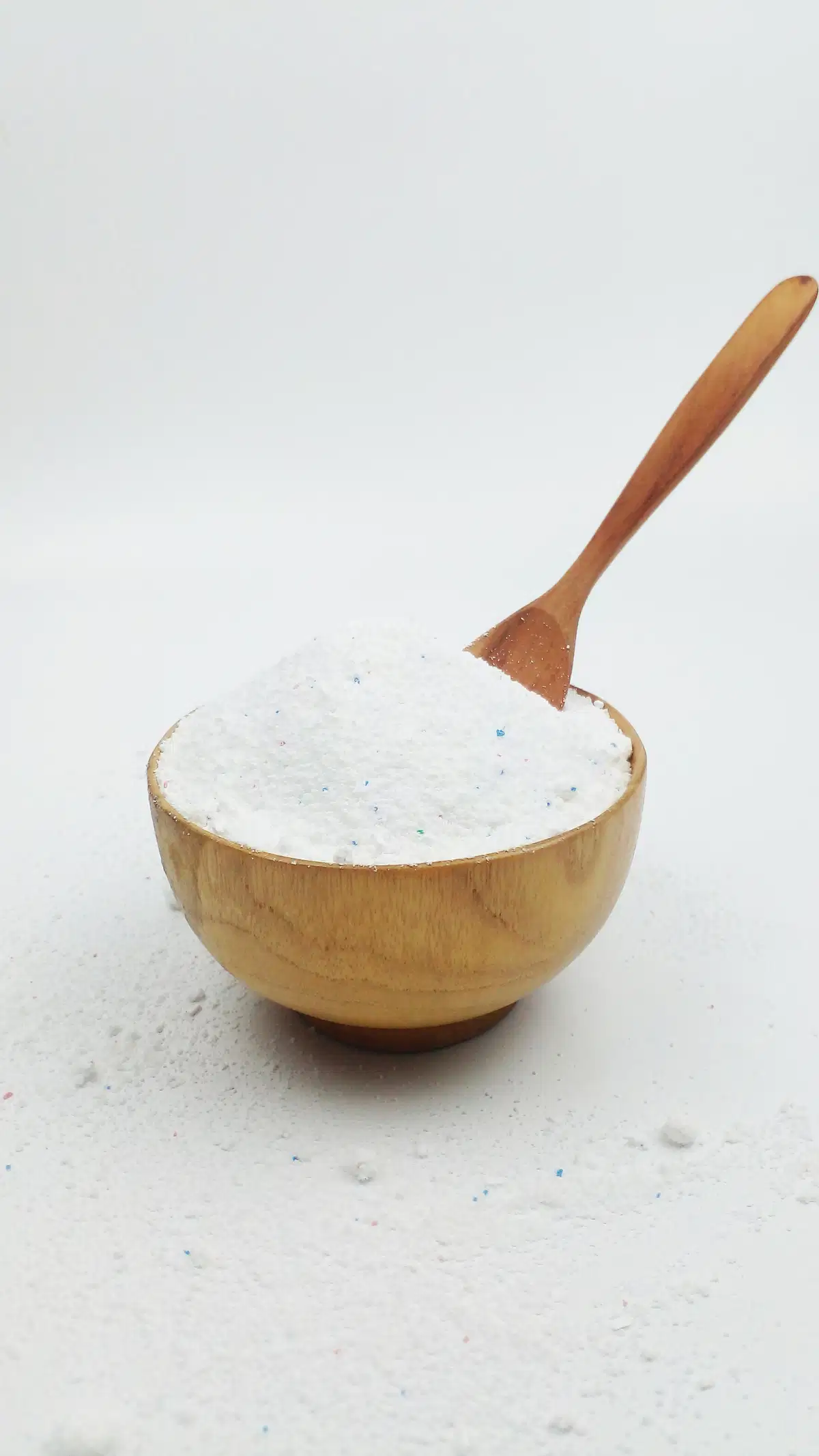
Distilled monoglycerides are available in different physical forms, including powders and products intended for hydration before use. The appropriate format depends on the manufacturer's mixing equipment, production process and target application.
Improving Softness and Freshness in Bakery Products
Bakery manufacturers face a recurring challenge: bread, cakes and other baked goods can lose their desirable texture during storage. Moisture redistribution and changes in starch structure contribute to firming, while variations in mixing, baking and storage conditions can create inconsistencies between production batches.
Distilled monoglycerides help address these challenges through their interactions with starch and fat. In bread and similar products, suitable monoglycerides can interact with amylose, a component of starch, slowing certain changes associated with staling and helping maintain a softer crumb.
Their principal bakery applications include:
Bread, buns and rolls: They help soften the crumb, support loaf structure and maintain acceptable eating quality during storage.
Cakes and sponge products: They support batter aeration and help create a finer, more uniform crumb structure.
Biscuits and cookies: Appropriate formulations can improve fat dispersion and tenderness, depending on the desired finished texture.
Bakery mixes and improvers: Manufacturers can incorporate suitable grades into ingredient systems designed to deliver more consistent results across production batches.
These benefits can have commercial implications for producers supplying supermarkets, food-service distributors and packaged food brands. More consistent texture helps manufacturers meet product specifications and reduce the risk of customer complaints linked to quality variation.
However, distilled monoglycerides do not replace proper control of baking temperature, ingredient ratios or moisture levels. Manufacturers should evaluate the emulsifier as part of the complete formulation rather than as a standalone solution to every shelf-life challenge.
Supporting Aeration and Structure in Cake Formulations
Cake production requires a balance between batter viscosity, air incorporation and structural stability during baking. If the batter fails to retain sufficient air, manufacturers may experience low volume, uneven crumb formation or differences in product appearance.
Distilled monoglycerides can help improve aeration and stabilize the structure of suitable cake batters. Their emulsifying behaviour supports the distribution of ingredients and helps maintain the fine air-cell structure needed for a uniform baked product.
This functionality is particularly relevant to commercial producers of sponge cakes, layer cakes, muffins and other aerated bakery products. Consistent batter performance can help manufacturers achieve more predictable volume and texture across large production runs.

How Distilled Monoglycerides Improve Frozen Food Texture
Frozen desserts present a different set of formulation challenges. Manufacturers must control air incorporation, fat distribution and structural stability during freezing, storage, transport and eventual consumption.
In ice cream and other frozen desserts, suitable monoglyceride grades influence the behaviour of fat during freezing and mixing. This can support air incorporation, contribute to a creamy mouthfeel and improve resistance to undesirable melting behaviour or temperature fluctuations. Results depend on the emulsifier's composition and the overall stabilizer system.
Key applications include:
Ice cream: Supporting air incorporation, smoothness and the structure of the frozen product.
Frozen dairy desserts: Helping manufacturers manage fat interactions and maintain a consistent eating experience.
Non-dairy frozen desserts: Supporting texture development in formulations that use vegetable fats, subject to compatibility with the selected fat system.
Frozen dessert mixes: Providing functional support for formulations designed to produce repeatable results during industrial freezing.
Temperature management remains essential. Repeated warming and refreezing can damage frozen dessert structure, so emulsifiers must work alongside appropriate stabilizers, freezing equipment and cold-chain controls.
For manufacturers, the goal is to obtain a balanced product that feels creamy, retains its structure and performs consistently from the production line to the consumer's freezer.
Choosing the Right Grade for Industrial Food Production
Not every distilled monoglyceride performs identically. Differences in fatty acid composition, monoglyceride concentration and physical properties can influence how an ingredient behaves during mixing, heating, cooling and storage.
Procurement managers should assess the following specifications before approving a supplier or changing an existing grade.
Monoglyceride content: Confirm the stated purity and concentration against the product specification. A higher concentration may offer different functionality from a less refined emulsifier blend.
Fatty acid composition: Determine whether the grade suits the intended application and the manufacturer's fat system.
Physical form: Check whether powder, flakes or a hydrated format best fits the production process and dosing equipment.
Melting behaviour: Review the melting point and related thermal properties where they affect processing conditions.
Dispersibility: Confirm that the emulsifier can be incorporated efficiently using the available mixing method.
Documentation: Request a technical data sheet, certificate of analysis and applicable food-grade compliance documents.
The supplier should also clarify storage conditions, packaging options, batch consistency and expected lead times. These details matter when manufacturers need to maintain uninterrupted production across several facilities.
Formulation, Dosage and Processing Considerations
The correct addition rate depends on the product, emulsifier grade and formulation design. A dosage that performs well in bread may not deliver the same results in cake batter or ice cream.
One industry product reference reports typical distilled monoglyceride use levels of approximately 0.3% to 0.5% of flour weight in bread and bakery applications. This provides a useful starting reference, not a universal recommendation for every formulation.
Oleochemicals Asia Learning Center
Before implementing a new grade, manufacturers should run controlled trials to evaluate:
Texture and softness immediately after production and throughout the intended storage period.
Batter aeration, loaf volume or cake structure, depending on the product.
Frozen dessert overrun, creaminess and melting behaviour where relevant.
Mixing performance, ingredient dispersion and any changes to production time.
Finished product consistency across repeated batches.
Manufacturers should also verify whether the supplier recommends direct addition or prior hydration. Correct preparation and dispersion can influence performance, particularly in formulations where the emulsifier must develop a specific crystalline structure.
A documented trial process helps manufacturers compare suppliers on actual performance rather than price alone.
Sourcing Risks and Quality Control for Buyers
Distilled monoglycerides form part of a broader food ingredient supply chain that depends on fatty acid feedstocks, processing capacity, manufacturing quality and logistics. Changes in raw material availability or shipment schedules can affect purchasing costs and production planning.
Procurement teams can reduce exposure by qualifying more than one suitable supplier, maintaining clear product specifications and reviewing lead times before committing to production schedules. However, an alternative supplier should not automatically receive approval simply because its product carries the same general ingredient name.
Buyers should compare technical documentation and confirm that alternative grades meet the same functional and food-safety requirements. Where a change in composition or manufacturing process could affect performance, the food producer should conduct formulation trials before switching.
Packaging and handling also deserve attention. Buyers should confirm that shipments arrive in intact, appropriately labelled packaging and that the supplier's recommended storage conditions support product stability.
For importers and distributors, the purchasing review should include minimum order quantities, shipment size, delivery terms, documentation requirements and the supplier's ability to support repeat orders. These factors help determine the real cost and reliability of sourcing beyond the quoted unit price.
Food Compliance and Supplier Documentation
Food manufacturers must ensure that the emulsifiers they use comply with the requirements applicable to their target markets and product categories. Regulatory status, permitted uses and labelling obligations can differ between jurisdictions, so buyers should verify the relevant requirements before importing or incorporating a product into a commercial formulation.
Distilled monoglycerides may fall within the broader category of mono- and diglycerides of fatty acids, commonly associated with the food additive designation E471 in applicable markets. Buyers should verify the exact identity and regulatory classification of the grade they intend to purchase.
Supplier documentation should cover the details needed for technical approval and traceability, including:
Product identity, grade and ingredient specifications.
Certificate of analysis for the relevant batch.
Applicable food-grade compliance declarations.
Allergen statements and other declarations required by the buyer.
Country of origin, lot identification and traceability information.
Storage, shelf-life and handling instructions.
Importers should also confirm that the documents match the actual shipped product. Complete documentation can help reduce delays during supplier approval, customs processing and customer audits.
What Procurement Teams Should Prioritize Next
Demand for consistent, shelf-stable bakery products and appealing frozen desserts gives food emulsifiers an important role in commercial formulation. Distilled monoglycerides offer manufacturers a practical tool for managing softness, aeration and texture, but successful purchasing depends on matching the grade to the application.
Procurement teams should prioritize three actions. First, establish clear technical specifications based on the finished product's required performance. Second, compare suppliers on documented quality, application support and delivery reliability. Third, validate the selected grade through production trials before making large-scale formulation changes.
Buyers should also assess total procurement cost rather than focusing exclusively on the price per kilogram. A dependable grade that delivers consistent results and reduces formulation adjustments may offer better operational value than a cheaper product with variable performance.
For manufacturers and distributors, a structured sourcing process can improve supply continuity while helping maintain the texture and quality standards that customers expect.