
Sorbitol and the Thai Seasonal Gap: H2 2026 Sourcing Strategy
Introduction
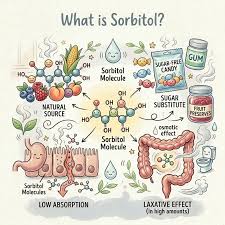
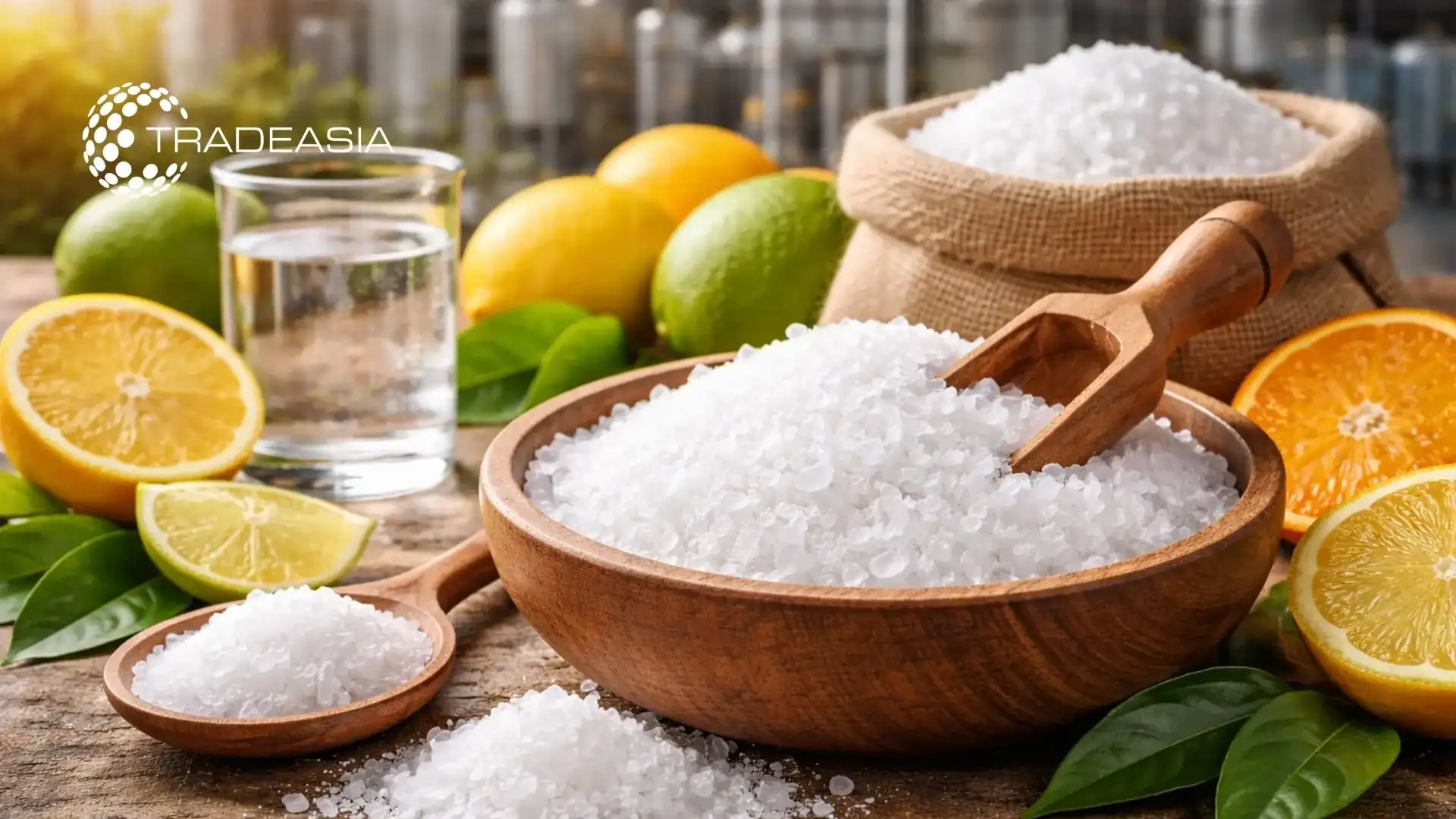
Sorbitol is a widely used sugar alcohol that serves as a sweetener, humectant, and texturizing agent across the food, beverage, pharmaceutical, personal care, and oral care industries. Produced primarily from glucose derived from corn or cassava, sorbitol demand continues to grow as manufacturers develop reduced-sugar and functional products.
As procurement teams prepare for the second half of 2026, seasonal production patterns in Thailand are becoming an important consideration. Thailand is a key producer and exporter of cassava-based ingredients, and seasonal variations in cassava harvesting, processing, and logistics can influence sorbitol availability, lead times, and pricing. Understanding this "Thai seasonal gap" enables buyers to plan sourcing strategies that minimize supply risks and optimize procurement costs.
Understanding the Thai Seasonal Gap
Thailand's cassava industry follows seasonal harvesting cycles that can affect the availability of raw materials for starch and sorbitol production. During periods when fresh cassava supply declines or processing slows, manufacturers may experience tighter inventories or longer delivery schedules.
The seasonal gap can influence:
Raw material availability.
Production capacity.
Export volumes.
Lead times.
Spot market pricing.
Supplier delivery performance.
Although the impact varies from year to year depending on weather and harvest conditions, procurement teams should incorporate seasonal planning into their sourcing decisions.
H1 Market Review
During the first half of 2026, the global sorbitol market remained relatively stable, supported by consistent demand from food manufacturers and the pharmaceutical sector.
Key developments included:
Steady production across major manufacturing regions.
Stable demand for reduced-sugar food ingredients.
Continued growth in oral care and pharmaceutical applications.
Moderate fluctuations in freight and logistics costs.
Increasing interest in long-term procurement agreements.
As buyers transition into H2, greater attention is shifting toward seasonal supply conditions and inventory planning.
Industries Most Affected
Food and Beverage
Sorbitol is widely used in sugar-free confectionery, baked goods, chewing gum, beverages, and processed foods to provide sweetness and moisture retention.
Pharmaceutical
Manufacturers use sorbitol in syrups, chewable tablets, and liquid formulations because of its sweetness and stabilizing properties.
Oral Care
Toothpaste and mouthwash manufacturers rely on sorbitol as a humectant that helps maintain product consistency and moisture.
Personal Care
Cosmetic and skincare products incorporate sorbitol for its moisturizing and texture-enhancing properties.
Demand from these industries supports a steady global market throughout the year.
Procurement Strategies for H2 2026
To navigate seasonal supply fluctuations effectively, procurement teams should consider several best practices.
Secure Supply Before Peak Seasonal Tightness
Negotiating purchase agreements before the seasonal supply gap can improve product availability and pricing stability.
Diversify Raw Material Sources
Working with suppliers in different production regions can reduce dependence on a single country or harvest cycle.
Monitor Cassava Market Developments
Tracking cassava production, harvest conditions, and export activity provides valuable insight into future sorbitol supply.
Evaluate Total Landed Cost
Procurement decisions should include freight, duties, warehousing, and logistics expenses in addition to product pricing.
Maintain Appropriate Safety Stock
Strategic inventory management can reduce the risk of production disruptions during periods of longer lead times.
Risks to Watch During H2
Several market variables could influence sorbitol procurement during the second half of 2026.
These include:
Lower-than-expected cassava harvests.
Weather-related production disruptions.
Rising freight and shipping costs.
Export logistics delays.
Currency exchange fluctuations.
Growing demand for reduced-sugar food ingredients.
Monitoring these factors will help procurement teams respond proactively to changing market conditions.
H2 Market Outlook
Demand for sorbitol is expected to remain healthy throughout H2, driven by continued growth in sugar-free foods, pharmaceuticals, oral care, and personal care products. Assuming normal cassava production and stable logistics, overall market supply should remain adequate.
However, seasonal variations in Thailand's cassava processing cycle may create temporary supply tightness or longer lead times. Buyers that secure contracts early, diversify supplier networks, and monitor agricultural developments will be better positioned to manage procurement risks and maintain supply continuity.
Conclusion
Thailand's seasonal production cycle plays an important role in the global sorbitol supply chain. As H2 2026 begins, procurement professionals should evaluate supplier performance, monitor cassava market conditions, and prepare sourcing strategies that account for seasonal fluctuations.
By combining market intelligence with proactive contract planning, diversified sourcing, and effective inventory management, organizations can reduce procurement risk, control costs, and ensure reliable access to sorbitol throughout the remainder of the year.
Cetyl Stearyl Alcohol CAS: 67762-27-0