Erythritol is a sugar alcohol, also known as a polyol, used in sugar-free and reduced-sugar food and beverage formulations. It provides sweetness with fewer calories than conventional sugar and can contribute bulk, texture, and mouthfeel to products where sugar is partially or substantially replaced.
Its applications include sugar-free candies, chewing gum, baked goods, chocolate, dairy products, and reduced-sugar beverages. Erythritol is also used in combination with high-intensity sweeteners to help balance sweetness and improve the sensory characteristics of reformulated products.
However, replacing sugar involves more than matching sweetness. Sugar contributes bulk, moisture retention, browning, texture, and other functional properties. Erythritol behaves differently in these respects, so food manufacturers must consider formulation design, processing conditions, consumer acceptance, and regulatory requirements.
For ingredient suppliers and procurement teams, erythritol represents an opportunity in the growing market for sugar-reduction solutions, provided that the ingredient is suitable for the intended application and target market.
What Is Erythritol?
Erythritol is a four-carbon sugar alcohol used as a sweetening and bulking ingredient. Commercial production commonly involves fermentation of carbohydrate feedstocks, followed by purification and crystallization.
Its sweetness is generally estimated at approximately 60–80% of sucrose sweetness, although the perceived result depends on the product matrix and other ingredients.
Key functional characteristics include:
Sweetness: Provides a clean sweet taste in suitable formulations.
Reduced caloric contribution: Supplies fewer calories than conventional sugar.
Bulk: Contributes solids that can help replace some of sugar's physical volume.
Thermal stability: Can be used in selected products that undergo heating.
Crystallization: Can influence texture in confectionery, chocolate, and other formulations.
Cooling sensation: May create a cooling effect in the mouth, particularly in some confectionery applications.
These properties make erythritol useful in selected sugar-free and reduced-sugar products, but they do not make it a complete functional replacement for sucrose in every recipe.
Why Erythritol Matters in Food Formulation
Sugar performs several roles in food manufacturing beyond sweetness. Depending on the product, it contributes to bulk, viscosity, moisture retention, browning, fermentation, texture, and shelf-life characteristics.
When sugar is reduced or removed, these functions may also change.
Erythritol can help address some of these challenges by contributing sweetness and solids, particularly when used with other ingredients designed to restore the desired texture and flavor.
Potential formulation objectives include:
Reducing added sugar
Developing sugar-free product ranges
Maintaining sweetness in reduced-calorie foods
Replacing some of the bulk provided by sugar
Improving mouthfeel in selected beverages
Supporting product differentiation for health-conscious consumers
The effectiveness of erythritol depends on the food category, replacement level, and combination of ingredients. Formulation trials are essential to ensure that the finished product meets the intended sensory and technical specifications.
Key Applications Across Food Categories
1. Sugar-Free Candies and Confectionery
Erythritol is used in selected sugar-free candies, lozenges, hard candies, and other confectionery products.
Its sweetness and crystallization properties can help create specific textures, while its cooling sensation may be desirable in certain products.
Important considerations include:
Sweetness intensity
Cooling sensation
Crystallization behavior
Texture and mouthfeel
Moisture sensitivity
Consumer acceptance
The ingredient's relatively rapid crystallization can be useful in some applications but can also create processing challenges in others. Manufacturers should select suitable grades and processing conditions for the intended confectionery product.
2. Sugar-Free Chewing Gum
Erythritol can be used in chewing gum and other sugar-free oral-care confectionery.
However, its crystallization behavior and relatively limited solubility compared with some other polyols can affect its suitability for particular gum formulations.
Product developers should evaluate sweetness release, texture, ingredient compatibility, and stability during storage.
3. Bakery Products and Cookies
Sugar contributes to spread, color, moisture, tenderness, and structure in baked goods. Replacing it with erythritol can therefore change the finished product even when sweetness remains acceptable.
Potential applications include:
Sugar-reduced cookies
Selected cakes and bakery products
Reduced-sugar dessert bases
Specialty baked goods
Formulation teams should evaluate:
Dough handling
Spread and volume
Browning and color development
Crumb structure
Moisture retention
Sweetness and aftertaste
Erythritol does not reproduce all of sucrose's baking functions. Other ingredients or process adjustments may be needed to achieve the desired quality.
4. Beverages and Drink Mixes
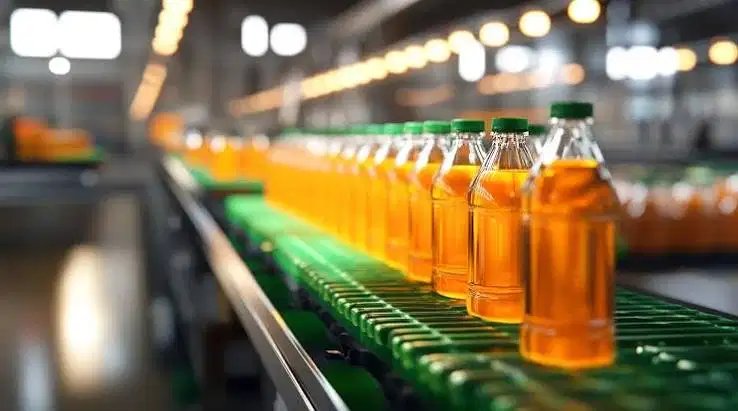
Reduced-sugar beverages are an important application area because sugar replacement can affect both taste and mouthfeel.
Erythritol can provide some sweetness and body, and it may be combined with high-intensity sweeteners to help create a more sugar-like sensory profile.
Applications may include:
Reduced-sugar soft drinks
Powdered beverage mixes
Functional beverages
Flavored waters
Selected dairy-based drinks
Key formulation considerations include:
Sweetness balance
Solubility
Cooling sensation
Mouthfeel
Flavor interactions
Stability during storage
The appropriate use level depends on the product and the applicable regulations. Beverage formulations also require attention to total polyol intake and gastrointestinal tolerance.
5. Dairy Products and Frozen Desserts
Erythritol can be evaluated in selected yogurts, custards, frozen desserts, and other dairy-based formulations where manufacturers want to reduce sugar content.
Potential objectives include maintaining sweetness and contributing solids while modifying the nutritional profile.
However, sugar reduction can affect freezing behavior, viscosity, texture, and perceived creaminess. Erythritol's cooling effect may also be more noticeable in chilled or frozen products.
Manufacturers should conduct product-specific testing to establish suitable combinations of sweeteners, stabilizers, and other formulation ingredients.
6. Chocolate and Sweet Fillings
Erythritol is used in certain sugar-free chocolate and sweet filling applications.
Its crystalline nature can influence particle size, mouthfeel, and processing behavior. Manufacturers may need to optimize particle refinement, mixing, and other production parameters to avoid an undesirable gritty texture.
Relevant quality checks include:
Sweetness and flavor
Particle-size distribution
Smoothness and mouthfeel
Melting and cooling characteristics
Processing performance
Storage stability
A successful formulation must deliver acceptable texture as well as reduced sugar content.
Erythritol as a Bulking Ingredient
High-intensity sweeteners can provide strong sweetness at very low inclusion levels. However, because they contribute little bulk, replacing sugar with them alone can leave a product thin, less substantial, or otherwise different from its conventional counterpart.
Erythritol can help address this issue by adding solids alongside sweetness.
Its bulking role is particularly relevant in products where the physical contribution of sugar affects the finished structure.
Nevertheless, erythritol's solubility, crystallization, and moisture interactions differ from those of sucrose. The formulation must be designed around these differences rather than assuming the same weight of erythritol will perform identically to sugar.
Combining Erythritol With Other Sweeteners
Erythritol is frequently combined with high-intensity sweeteners in reduced-sugar products.
A combination can help manufacturers balance sweetness, bulk, and flavor characteristics more effectively than using a single ingredient.
Potential benefits include:
Adjusting sweetness intensity
Improving sweetness balance
Contributing body and mouthfeel
Masking selected unwanted taste notes
Reducing the amount of conventional sugar required
The result depends on the particular sweeteners, their relative proportions, and the food matrix. Some combinations may introduce their own aftertaste or stability challenges.
Sensory evaluation should therefore form part of the formulation process.
Formulation Challenges and Sensory Considerations
Although erythritol offers useful functionality, it presents several technical considerations.
1. Cooling Sensation
Erythritol can create a cooling sensation during dissolution in the mouth. This may be desirable in some candies but less appropriate in products intended to resemble conventional sugar-based foods.
2. Sweetness Intensity
Because erythritol is generally less sweet than sucrose, a direct weight-for-weight replacement may produce a less sweet product.
3. Crystallization
Rapid crystallization can affect texture, smoothness, and process control in certain applications.
4. Bulk and Moisture Retention
Erythritol does not reproduce every structural and moisture-related function of sugar. Additional formulation adjustments may be necessary.
5. Flavor Balance
The ingredient may interact with other sweeteners, acids, flavors, and stabilizers, affecting the overall sensory profile.
6. Consumer Acceptance
A product can meet its sugar-reduction target but still underperform commercially if its taste or texture differs too much from consumer expectations.
Manufacturers should evaluate sweetness, aftertaste, texture, and stability together rather than optimizing sweetness in isolation.
Nutritional and Safety Considerations
Erythritol is used as a sugar substitute in multiple food categories, but its suitability depends on the intended use, quantity consumed, and applicable regulations.
The U.S. Food and Drug Administration lists erythritol among sugar alcohols permitted for use as sugar substitutes. The FDA has also stated that observational studies it reviewed did not establish a causal relationship between erythritol consumption and the cardiovascular outcomes discussed in those studies, while noting that it continues to monitor new scientific evidence.
Separately, the European Food Safety Authority's 2023 re-evaluation identified potential concerns relating to high dietary exposure and laxative effects. This highlights the importance of considering total intake and jurisdiction-specific requirements rather than treating all uses or consumption levels as equivalent.
Food manufacturers should evaluate:
The quantity of erythritol in each serving
Expected consumption patterns
Gastrointestinal tolerance
The nutritional profile of the finished product
Applicable labeling requirements
Current regulatory conditions in target markets
Manufacturers should avoid unsupported health claims and ensure that product positioning is consistent with the available evidence and relevant regulations.
Quality and Regulatory Considerations
Before commercial use, manufacturers should confirm that erythritol meets the required specifications and is authorized for the intended application in the target market.
Procurement and quality teams should review:
Food-grade purity specifications
Supplier quality systems
Certificate of analysis
Batch consistency
Microbiological and contaminant specifications, where applicable
Regulatory documentation
Packaging and storage requirements
Labeling and nutritional declaration requirements
Traceability and supply continuity
Regulatory conditions differ across jurisdictions and food categories. Compliance should be confirmed for each market in which the finished product will be sold.
Market Implications
Demand for reduced-sugar and sugar-free foods creates opportunities for sweeteners that can support both taste and product functionality.
Erythritol may be relevant to product development in:
Sugar-free confectionery
Reduced-sugar beverages
Specialty bakery products
Low-sugar dairy products
Functional foods
Sugar-reduced chocolate and fillings
Commercial growth depends on more than consumer interest in reduced sugar. Manufacturers must also consider ingredient costs, formulation complexity, consumer acceptance, supply reliability, and regulatory requirements.
Ingredient suppliers that provide consistent quality and suitable technical documentation can help manufacturers manage these challenges.
Competitive Intelligence
Companies evaluating erythritol and alternative sweeteners should monitor several indicators.
Product Innovation
Track launches of sugar-free and reduced-sugar products across beverages, confectionery, bakery, and dairy.
Formulation Technology
Monitor developments in sweetener blends, taste modulation, bulking ingredients, and texture optimization.
Regulatory Developments
Review changes in food-additive permissions, labeling requirements, and safety assessments.
Supplier Capabilities
Compare product specifications, production capacity, technical support, and supply reliability.
Consumer Acceptance
Monitor demand for reduced-sugar products alongside concerns about aftertaste, texture, and gastrointestinal tolerance.
These indicators can help businesses identify applications where erythritol offers a meaningful advantage over alternative ingredients.
Procurement Considerations
Procurement teams sourcing erythritol should evaluate the ingredient in relation to the finished product's functional requirements.
Key considerations include:
Required purity and grade
Sweetness and crystallization characteristics
Supplier consistency
Certificate of analysis and technical documentation
Regulatory suitability
Packaging and storage requirements
Lead times and production capacity
Total landed cost
Availability of qualified alternative suppliers
Collaboration between procurement, research and development, quality assurance, and regulatory teams can help reduce formulation risk and improve supply continuity.
Looking Ahead
Erythritol provides food manufacturers with a useful option for developing sugar-free and reduced-sugar products, particularly where sweetness, bulk, and selected texture functions need to be maintained.
Its limitations are equally important. Sweetness intensity, cooling sensation, crystallization, and the loss of some sugar-related functionality can require additional formulation work.
For manufacturers and ingredient buyers, the strongest opportunities will come from matching erythritol's properties to clearly defined product requirements and validating the finished formulation through sensory, stability, and regulatory assessment.
The goal is to reduce sugar while delivering a product that remains appealing, consistent, safe, and commercially viable.
Key Takeaways
Erythritol is a sugar alcohol used in sugar-free and reduced-sugar food and beverage formulations.
Applications include candies, chewing gum, baked goods, chocolate, beverages, and selected dairy products.
It contributes sweetness and bulk but does not reproduce every functional property of conventional sugar.
Cooling sensation, crystallization, texture, and sweetness intensity can affect consumer acceptance.
Combining erythritol with other sweeteners may improve the sensory balance of some formulations.
Manufacturers should assess gastrointestinal tolerance, dietary exposure, and jurisdiction-specific regulatory requirements.
Procurement teams should prioritize food-grade quality, documentation, supplier consistency, and supply reliability.
Sources
https://www.fda.gov/food/food-additives-petitions/aspartame-and-other-sweeteners-food
Sorbitol Liquid (E420(ii)) CAS: 50-70-4