Protein has become a core formulation ingredient for sports nutrition products and functional foods, from post-workout shakes to high-protein snack bars and fortified beverages. Food-grade proteins help manufacturers increase nutritional value, improve texture and develop products that meet specific consumer needs.
For chemical and food ingredient traders, this market creates opportunities to supply dairy-based proteins, plant-derived ingredients and specialized protein blends to manufacturers with different technical requirements. However, procurement decisions depend on more than protein content alone. Solubility, taste, digestibility, processing performance, allergen controls and reliable documentation all influence whether an ingredient suits a particular formulation.
Understanding how food-grade proteins serve different applications helps buyers compare supplier offers, manage ingredient costs and build dependable sourcing strategies for sports nutrition and functional food production.
1. Understanding Food-Grade Proteins and Their Commercial Forms
Food-grade proteins are ingredients intended for use in food and beverage formulations that meet the relevant safety, quality and regulatory requirements for their intended application. Suppliers offer these ingredients in different forms, including powders, concentrates, isolates, hydrolysates and specialized blends.
Each form serves a different manufacturing purpose. Concentrates provide protein alongside varying amounts of other components, while isolates undergo additional processing to achieve a higher protein concentration. Hydrolyzed proteins contain shorter protein fragments produced through controlled breakdown, which can influence solubility, taste and formulation performance.
The main commercial categories include:
Whey protein: A dairy-derived ingredient widely used in sports drinks, protein powders and nutrition bars.
Casein and milk proteins: Dairy ingredients used in protein beverages, meal replacements and products that require specific texture or processing characteristics.
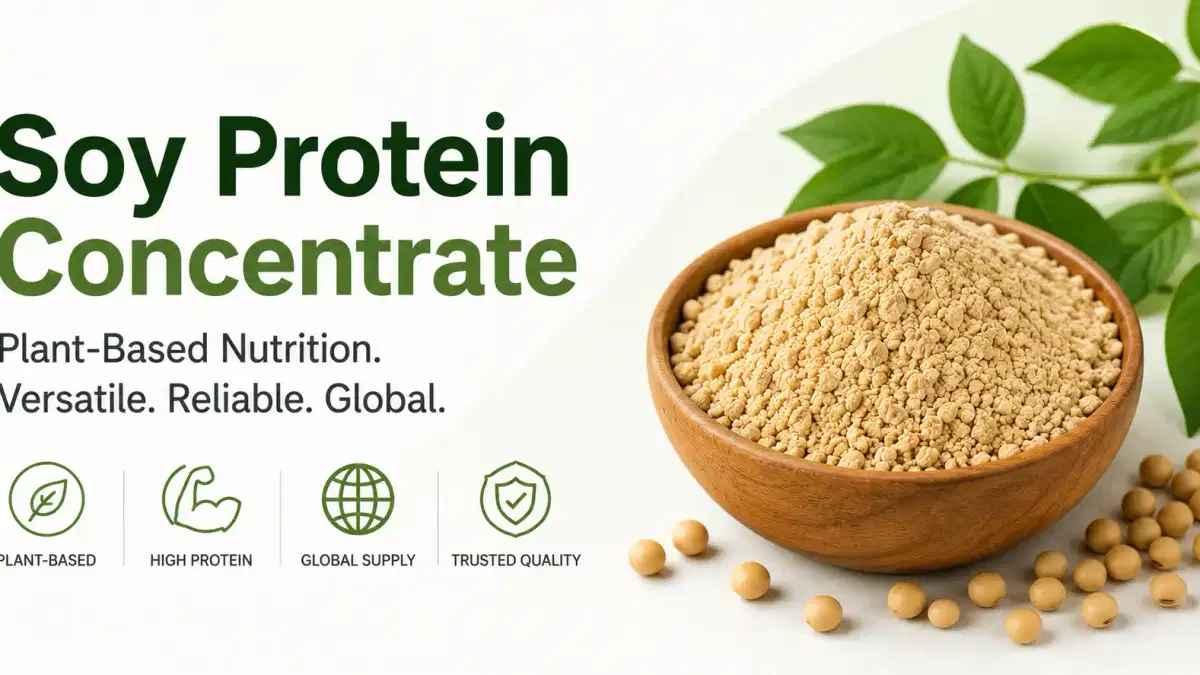
Soy protein: A plant-derived option used in protein beverages, meat alternatives, snack products and nutritional formulations.
Pea protein: A plant-based ingredient used in dairy alternatives, protein blends, bars and powdered drinks.
Other plant proteins: Rice, wheat, lentil and other plant-derived proteins offer additional options for manufacturers developing particular nutritional profiles or product concepts.
Buyers should compare the exact commercial grade rather than treating all ingredients within one protein category as interchangeable. Differences in composition, flavour, solubility and processing behavior can affect the finished product.
2. Sports Nutrition Manufacturers Drive Specialized Protein Demand
Sports nutrition manufacturers use food-grade proteins to develop products for consumers who want convenient ways to increase protein intake around exercise, training and everyday activity. Protein powders remain a prominent application, but manufacturers also incorporate protein into ready-to-drink beverages, recovery products, bars and powdered meal replacements.
Whey protein attracts buyers because it provides a complete amino acid profile and works in many established sports nutrition formulations. Manufacturers can select different whey grades depending on their target protein concentration, product texture, cost structure and processing requirements.
Protein selection typically reflects several commercial priorities:
Protein delivery per serving: Manufacturers need an ingredient that helps the finished product meet its intended nutritional specifications.
Mixability: Powdered products should disperse effectively under the intended preparation conditions without excessive clumping.
Taste and mouthfeel: Excessive bitterness, chalkiness or unwanted dairy notes can affect product acceptance.
Processing compatibility: The ingredient must perform consistently during blending, heat treatment, drying or other production steps.
Cost per finished unit: Procurement teams evaluate the ingredient's contribution to total formulation costs rather than relying exclusively on its price per kilogram.
Sports nutrition brands may also require specialized documentation, batch traceability and additional testing to support their product quality programs. Suppliers that provide consistent specifications and responsive technical support can therefore compete on service as well as price.
3. Functional Food Manufacturing Expands Protein Applications
Functional food manufacturers use protein ingredients to increase nutritional content while preserving the sensory qualities that consumers expect from everyday foods. This creates opportunities beyond conventional sports supplements, particularly in products designed for convenient consumption throughout the day.
Protein enrichment can introduce formulation challenges because proteins interact with water, fats, carbohydrates, minerals and other ingredients. Manufacturers must therefore evaluate each protein for its contribution to texture, stability, flavour and processing performance.
Common applications include:
High-protein snack bars: Protein ingredients increase protein content, but manufacturers must manage hardness, dryness and changes in texture during storage.
Fortified beverages: Protein supports nutritional positioning, although solubility, sedimentation and stability can affect the finished drink.
Dairy products and alternatives: Protein ingredients can contribute to body and texture in yogurt-style products, dairy beverages and plant-based alternatives.
Bakery products: Selected proteins can increase protein content in breads, biscuits and nutritional baked goods, subject to recipe and processing requirements.
Meal replacements: Protein blends help manufacturers formulate convenient products with defined nutritional compositions.
Plant-based foods: Soy and pea proteins support a range of meat alternatives, prepared foods and other plant-based formulations.
Not every protein suits every application. A grade that performs well in a cold shake may behave differently in an acidic beverage or a baked product, making application-specific trials an important part of ingredient approval.

4. Who Buys Food-Grade Proteins and What Do They Require?
The buyer base extends across several industries, and each segment evaluates protein ingredients according to different production and commercial needs. Traders who understand these requirements can prepare more relevant quotations and identify opportunities for repeat business.
Sports nutrition brands and contract manufacturers purchase protein concentrates, isolates and blends for branded powders, ready-to-drink products and nutrition bars. They typically prioritize consistent composition, sensory performance, manufacturing compatibility and dependable batch availability.
Functional food and beverage producers require proteins that work within established recipes and production lines. Their purchasing teams often assess solubility, viscosity, heat stability and compatibility with other ingredients before approving a supplier.
Private-label manufacturers serve retailers and emerging nutrition brands that outsource product development or production. These buyers may value flexible order quantities, reliable delivery schedules and documentation that supports their customers' quality requirements.
Ingredient distributors and importers purchase proteins for resale to food processors and smaller manufacturers. They need competitive landed costs, consistent product specifications, suitable packaging and access to suppliers who can support recurring orders.
Specialized nutrition manufacturers may require narrower specifications for particular product categories. They can place greater emphasis on protein composition, microbiological controls, allergen management and additional quality assurance requirements.
For traders, the commercial opportunity lies in matching the right grade to each buyer's application. A lower-priced ingredient may not offer the best value if it requires reformulation, creates production problems or fails to meet the customer's documentation requirements.
5. Quality Specifications That Shape Protein Procurement
Food-grade protein procurement requires a clear technical specification before buyers compare quotations. The protein source and stated concentration provide a starting point, but they do not describe every property that determines suitability.
Procurement teams should request a technical data sheet and a batch-specific certificate of analysis (COA). These documents help buyers compare suppliers against agreed limits and verify that the quoted product matches the intended application.
Key parameters include:
Protein content: Confirm the minimum or target protein level and the analytical method used to determine it.
Moisture and composition: Review moisture, fat, ash and other relevant compositional values to understand the ingredient's characteristics.
Microbiological quality: Check applicable limits and testing requirements for relevant microorganisms.
Contaminant controls: Assess heavy metals and other contaminants according to the ingredient, risk profile and destination-market requirements.
Functional performance: Request application-relevant information on solubility, dispersibility, viscosity, emulsification or heat stability.
Sensory characteristics: Review colour, odour, taste and any known flavour limitations that could affect the finished product.
Traceability and packaging: Verify batch identification, manufacturing origin, shelf life, storage instructions and packaging suitability.
Protein content alone should not determine the purchasing decision. Buyers should also establish whether the supplier's analytical methods, specification limits and testing frequency align with their own quality systems.
For sports nutrition applications, buyers may require additional testing or third-party certification to support their product assurance programs. Any certification claim should relate to the specific product, manufacturing site and applicable scope rather than the supplier's general marketing statements.
6. Pricing Factors and International Sourcing Challenges
Food-grade protein prices vary by source, grade, processing method, production capacity and order volume. Procurement teams also need to account for logistics, import requirements and the technical costs associated with qualifying a new supplier.
Dairy proteins and plant proteins follow different supply dynamics. Dairy-derived ingredients depend partly on milk processing economics and the availability of suitable dairy streams, while plant proteins reflect crop availability, extraction costs and processing yields.
Several factors influence supplier quotations:
Protein concentration: Higher-purity grades generally require additional processing, which can affect their cost.
Raw material availability: Changes in dairy or agricultural input availability can affect production costs and supply continuity.
Processing requirements: Specialized treatments and tighter functional specifications may increase the final ingredient price.
Order size: Larger commitments can improve pricing, but buyers must balance volume discounts against storage capacity and shelf life.
Freight and import costs: Shipping, insurance, customs duties and local handling influence the total landed cost.
Currency movements: Exchange-rate changes can affect the cost of imported ingredients and the competitiveness of supplier offers.
International sourcing introduces further challenges, including inconsistent specifications, shipping delays, changing lead times and documentation gaps. A quotation that appears attractive at the origin may become less competitive once freight, duties, testing and local delivery costs enter the calculation.
Buyers should compare offers on a consistent basis. That means confirming the same protein grade, specification limits, packaging format, delivery terms, order quantity and required documentation before making a commercial decision.
7. Food Safety, Allergen Management and Regulatory Compliance
Food-grade status does not automatically mean that an ingredient is suitable for every food application or destination market. Manufacturers and importers must confirm that the specific protein complies with applicable food safety rules, permitted uses and labelling requirements.
Dairy proteins can introduce milk allergens, while soy proteins require appropriate soy allergen controls. Other plant proteins may also present allergen, cross-contact or market-specific labelling considerations, depending on the source and applicable regulations.
Before approving a supplier, buyers should review:
Product specifications and batch-specific certificates of analysis.
Food-grade declarations and relevant manufacturing or quality certifications.
Allergen statements and cross-contact controls.
Country-of-origin and traceability documentation.
Applicable microbiological and contaminant test results.
Shelf-life information, storage conditions and packaging details.
Destination-market requirements for importation, ingredient declarations and product claims.
Importers should also verify whether additional documents or approvals apply in the destination country. Requirements may differ by jurisdiction and by the finished product's classification.
In Pakistan, for example, businesses selling food products must consider the requirements of the relevant food authorities and applicable standards. Manufacturers and importers should confirm the documentation and labelling rules that apply to their particular ingredient and finished product before shipment.
Clear documentation protects both the buyer and the supplier by reducing the likelihood of rejected consignments, delayed customs clearance or inconsistencies between ingredient specifications and finished-product labels.
8. Building a Reliable Protein Sourcing Strategy for 2027
As manufacturers expand their sports nutrition and functional food portfolios, procurement teams need sourcing strategies that balance ingredient performance, cost control and supply continuity. The most effective approach begins with a clear technical brief and a realistic assessment of production requirements.
Buyers can strengthen their sourcing process through several practical steps:
1. Define the application first. Specify whether the ingredient will enter a protein powder, beverage, bar, bakery product or another formulation before requesting quotations.
2. Establish measurable acceptance criteria. Set limits for protein content, moisture, microbiological quality and functional properties that matter to the intended product.
3. Compare alternative protein sources. Evaluate dairy and plant-derived options where technically appropriate, considering nutritional targets, allergen requirements, taste and processing performance.
4. Qualify suppliers before committing to large volumes. Review documentation, assess samples and conduct production trials before approving commercial orders.
5. Calculate total landed cost. Include freight, duties, testing, storage and potential production losses when comparing international offers.
6. Maintain supply flexibility. Where feasible, qualify alternative suppliers or compatible grades to reduce dependence on a single source, while ensuring that any substitution passes the required technical and regulatory checks.
Procurement teams should also monitor supplier lead times, production capacity and consistency across batches. These factors become especially important when a protein ingredient forms a substantial part of a finished product's nutritional profile.
For traders and importers, a strong competitive position comes from more than securing a low purchase price. Reliable specifications, traceable supply, suitable packaging and prompt documentation can help build long-term relationships with manufacturers that need consistent ingredient quality.
Food-grade proteins will remain important to product developers seeking to combine nutritional value with practical manufacturing performance. Buyers who align technical requirements with supplier capabilities can make more informed purchasing decisions and establish a stronger foundation for future product development.
Maltodextrin (E1400) CAS: 9050-36-6
SOURCE LINK :https://www.fda.gov/food/gras-notice-inventory/agency-response-letter-gras-notice-no-grn-000581?