Global Food Ingredient Supply Chain Challenges: Sourcing Risks and Procurement Strategies
Global food ingredient supply chains are becoming more complex as manufacturers and buyers face a combination of climate risks, geopolitical disruptions, transportation bottlenecks, changing trade policies, volatile commodity prices, and rising input costs.
For food manufacturers, ingredient distributors, importers, and procurement teams, the challenge is no longer simply finding the lowest-cost supplier. The priority is increasingly to secure consistent quality, regulatory compliance, reliable delivery, and competitive total cost while maintaining alternative sources of supply.
In 2026, this shift toward supply-chain resilience has become particularly important. FAO has warned that global food commodity markets remain exposed to weather developments, energy and fertilizer volatility, geopolitical tensions, and trade-policy uncertainty.
Why Food Ingredient Supply Chains Are Under Pressure
Food ingredients often pass through several stages before reaching a manufacturer:
Agricultural producer → Processor → Ingredient manufacturer → Exporter → Shipping → Importer → Distributor → Food manufacturer
A disruption at any point can affect availability, lead times, and prices.
The current risk environment includes:
Extreme weather and crop failures
Geopolitical conflicts
Shipping-route disruptions
Port congestion
Energy-price volatility
Fertilizer shortages and higher costs
Tariffs and trade restrictions
Currency fluctuations
Supplier concentration
Regulatory changes
Cybersecurity threats
Increasing sustainability requirements
CIPS reported in its Q2 2026 procurement survey that geopolitical risk and political uncertainty were the leading concern among procurement professionals, followed by inflation and input-price increases.
1. Climate Change and Extreme Weather
Agricultural ingredients are inherently exposed to environmental conditions.
Drought, excessive rainfall, heatwaves, flooding, storms, and changing seasonal patterns can reduce yields or affect ingredient quality.
This creates risks for ingredients such as:
Wheat
Corn
Rice
Sugar
Cocoa
Coffee
Palm oil
Soy
Spices
Fruits and vegetables
Botanical extracts
FAO's 2026 outlook forecasts global cereal production at around 2.98 billion tonnes, approximately 2% below the previous year's level. Wheat production is also forecast to decline by 3.8% to 810.9 million tonnes.
These changes matter for ingredient buyers because lower agricultural production can eventually affect the availability and cost of processed ingredients.
What Buyers Can Do
Procurement teams should monitor agricultural conditions in major sourcing regions and avoid excessive dependence on one geographic origin.
For high-risk ingredients, buyers can consider:
Multiple sourcing regions
Alternative suppliers
Alternative raw materials
Safety stock
Forward purchasing
Flexible formulations
2. Geopolitical Conflicts and Trade Disruptions
Geopolitical instability can affect food ingredients even when the actual production area is unaffected.
Conflicts can disrupt:
Shipping routes
Ports
Fuel supplies
Insurance
Agricultural exports
Fertilizer availability
Cross-border trade
Payment systems
FAO has identified geopolitical tensions and trade-policy uncertainty as significant risks to global food commodity markets.
Recent procurement data also show how strongly geopolitical conditions are influencing supply-chain decisions. In CIPS's Q2 2026 survey, 75% of respondents identified Middle East conflict as a supply-chain concern, while 67% cited the wider geopolitical environment.
Procurement Response
Companies should map not only their direct suppliers but also critical upstream dependencies.
A supplier based in a low-risk country may still depend on:
Raw materials from a high-risk region
A single port
One shipping corridor
One processing facility
One agricultural origin
Understanding these second- and third-tier dependencies is essential for effective risk management.
3. Shipping and Logistics Bottlenecks
International food ingredients frequently travel thousands of kilometres before reaching manufacturers.
Shipping disruptions can increase:
Freight rates
Transit times
Insurance costs
Port charges
Inventory requirements
Working-capital requirements
Recent supply-chain disruptions have demonstrated that shipping routes can change rapidly when geopolitical conditions deteriorate.
FAO has highlighted the impact of transportation disruptions and energy-related shipping costs on food commodity markets.
For procurement teams, the supplier's location is therefore only one part of the logistics calculation.
Questions Buyers Should Ask
Before approving an international ingredient supplier, buyers should determine:
Which port handles the shipment?
What is the normal transit time?
Are alternative ports available?
What happens if the main shipping route is disrupted?
Who pays additional freight or insurance costs?
What is the supplier's emergency-shipping capability?
4. Fertilizer and Agricultural Input Risks
Fertilizer markets can have an indirect but significant effect on food ingredient supply.
Higher fertilizer costs can increase farmers' production costs and potentially influence planting decisions and yields.
FAO reported that global fertilizer trade volumes fell by approximately 20–25% during January–April 2026 compared with the same period of the previous year, while concerns remained over nitrogen and phosphate availability for the 2026/27 agricultural season.
This creates a forward-looking risk for food ingredient buyers.
The impact may not appear immediately in ingredient prices, but reduced fertilizer availability can contribute to tighter agricultural supply later.
5. Supplier Concentration Creates Hidden Risk
One of the biggest weaknesses in ingredient procurement is excessive supplier concentration.
A manufacturer may have a reliable supplier today but still be vulnerable if that supplier:
Uses only one production facility
Depends on one agricultural region
Has limited production capacity
Relies on a single port
Sources critical raw materials from one country
This creates a single point of failure.
Dual Sourcing
For strategically important ingredients, companies should consider qualifying at least two suppliers.
The second supplier does not necessarily need to receive equal order volumes immediately. Its purpose can be to provide a tested alternative if the primary source becomes unavailable.
CIPS's Q2 2026 survey found that supplier diversification was the highest-ranked strategy for maintaining supply continuity over the following three to six months.
6. Commodity Price Volatility
Ingredient supply problems frequently translate into price volatility.
Prices can move because of:
Crop shortages
Weather events
Energy costs
Fertilizer prices
Currency movements
Freight costs
Export restrictions
Changing demand
FAO's June 2026 outlook noted that global food commodity markets remained exposed to energy and fertilizer volatility, geopolitical tensions, and weather risks.
Procurement teams should therefore distinguish between temporary price movements and structural supply problems.
A short-term price increase may be manageable through inventory or contract adjustments, while a structural shortage may require supplier diversification or reformulation.
7. Regulatory and Compliance Challenges
Food ingredient suppliers must satisfy the regulations of the destination market.
Requirements can cover:
Food additives
Contaminants
Pesticide residues
Allergens
GMO status
Novel foods
Organic claims
Halal and Kosher requirements
Labelling
Traceability
Food-contact compliance
Regulatory changes can make an ingredient more expensive or even unsuitable for a particular application.
Procurement teams should therefore work closely with quality and regulatory departments before approving new suppliers.
8. Quality Consistency and Batch Variability
Supply-chain resilience does not matter if the ingredient consistently fails quality requirements.
A supplier may deliver on time while still creating production problems through:
Variable purity
Different particle sizes
Inconsistent colour
Moisture variation
Microbiological contamination
Changes in functionality
Unexpected sensory differences
For this reason, procurement should not evaluate suppliers only on price and delivery.
Supplier approval should include:
Sample → Specification Review → Laboratory Testing → Application Trial → Trial Shipment → Commercial Approval
For critical ingredients, buyers should also establish clear incoming-quality procedures.
9. Traceability and Supply-Chain Visibility
Food manufacturers increasingly need to understand where their ingredients originate.
Traceability allows companies to respond more effectively to:
Contamination events
Product recalls
Quality failures
Regulatory investigations
Supplier disruptions
A reliable ingredient supplier should be able to provide:
Batch numbers
Country of origin
Production information
Certificates of Analysis
Supplier documentation
Traceability records
Recall procedures
Visibility should ideally extend beyond the immediate supplier to critical upstream sources.
10. Cybersecurity Is Becoming a Procurement Risk
Food supply chains are increasingly digital.
Procurement, inventory, logistics, supplier communication, warehouse management, and financial transactions all depend on connected systems.
A cyberattack against a supplier, logistics provider, warehouse, or manufacturer can therefore interrupt physical supply.
CIPS reported that concern over cyberattacks across supply chains increased during 2026, with nearly eight in ten survey respondents rating their concern at four or above on a seven-point scale.
Procurement teams should therefore consider cybersecurity when assessing strategic suppliers.
For critical suppliers, companies can evaluate:
Backup communication systems
Cybersecurity policies
Data-protection procedures
Business-continuity plans
Incident-response capabilities
Recovery procedures
11. Sustainability Requirements Are Changing Sourcing Decisions
Sustainability is increasingly connected to supplier qualification.
Food manufacturers may need greater visibility into:
Carbon emissions
Deforestation risks
Water use
Agricultural practices
Labour conditions
Packaging
Traceability
Responsible sourcing
This can create additional procurement costs but can also reduce long-term supply risks.
12. Specialty Ingredients Face Their Own Supply Risks
Not all food ingredients behave like commodities.
Specialty ingredients such as:
Functional fibres
Hydrocolloids
Natural colours
Plant proteins
Enzymes
Botanical extracts
Specialty starches
Nutritional ingredients
may depend on specialized processing facilities or limited numbers of qualified suppliers.
This can make them vulnerable to production outages and capacity constraints.
A recent example is the global ube market, where rising demand combined with production limitations and Philippine export restrictions has tightened supply and encouraged food manufacturers to consider alternative sourcing and substitute ingredients.
For specialty ingredients, procurement teams should evaluate manufacturing capacity and alternative grades rather than focusing only on current market price.
Procurement Strategies for a More Resilient Food Ingredient Supply Chain
1. Build a Multi-Supplier Strategy
The most important step is to avoid unnecessary dependence on one supplier.
Classify ingredients according to:
Business impact × Supply risk
High-impact, high-risk ingredients should receive the strongest risk-management measures.
These may include:
Dual sourcing
Long-term contracts
Safety stock
Alternative specifications
Supplier audits
Contingency plans
2. Develop Regional Sourcing Options
Global sourcing can reduce costs, but regional suppliers can provide valuable alternatives during disruptions.
A balanced sourcing model may combine:
Global supplier + Regional supplier + Emergency supplier
This gives manufacturers greater flexibility when international logistics are disrupted.
3. Use Supplier Risk Scores
Procurement teams can create a supplier scorecard covering:
Risk Area | Example Evaluation |
|---|---|
Financial stability | Low / Medium / High |
Geographic risk | Low / Medium / High |
Production concentration | Low / Medium / High |
Quality performance | Strong / Average / Weak |
Regulatory compliance | Strong / Average / Weak |
Delivery reliability | Strong / Average / Weak |
Raw-material dependency | Low / Medium / High |
Logistics exposure | Low / Medium / High |
Cybersecurity | Low / Medium / High |
Sustainability | Strong / Average / Weak |
This helps procurement teams identify suppliers requiring additional monitoring.
4. Negotiate Flexible Contracts
Long-term contracts can improve supply visibility, but rigid contracts can become problematic when market conditions change.
Contracts can include:
Price-adjustment mechanisms
Volume flexibility
Alternative delivery schedules
Emergency allocation clauses
Quality specifications
Lead-time commitments
Force-majeure provisions
The objective is to create predictability without eliminating flexibility.
5. Maintain Strategic Inventory
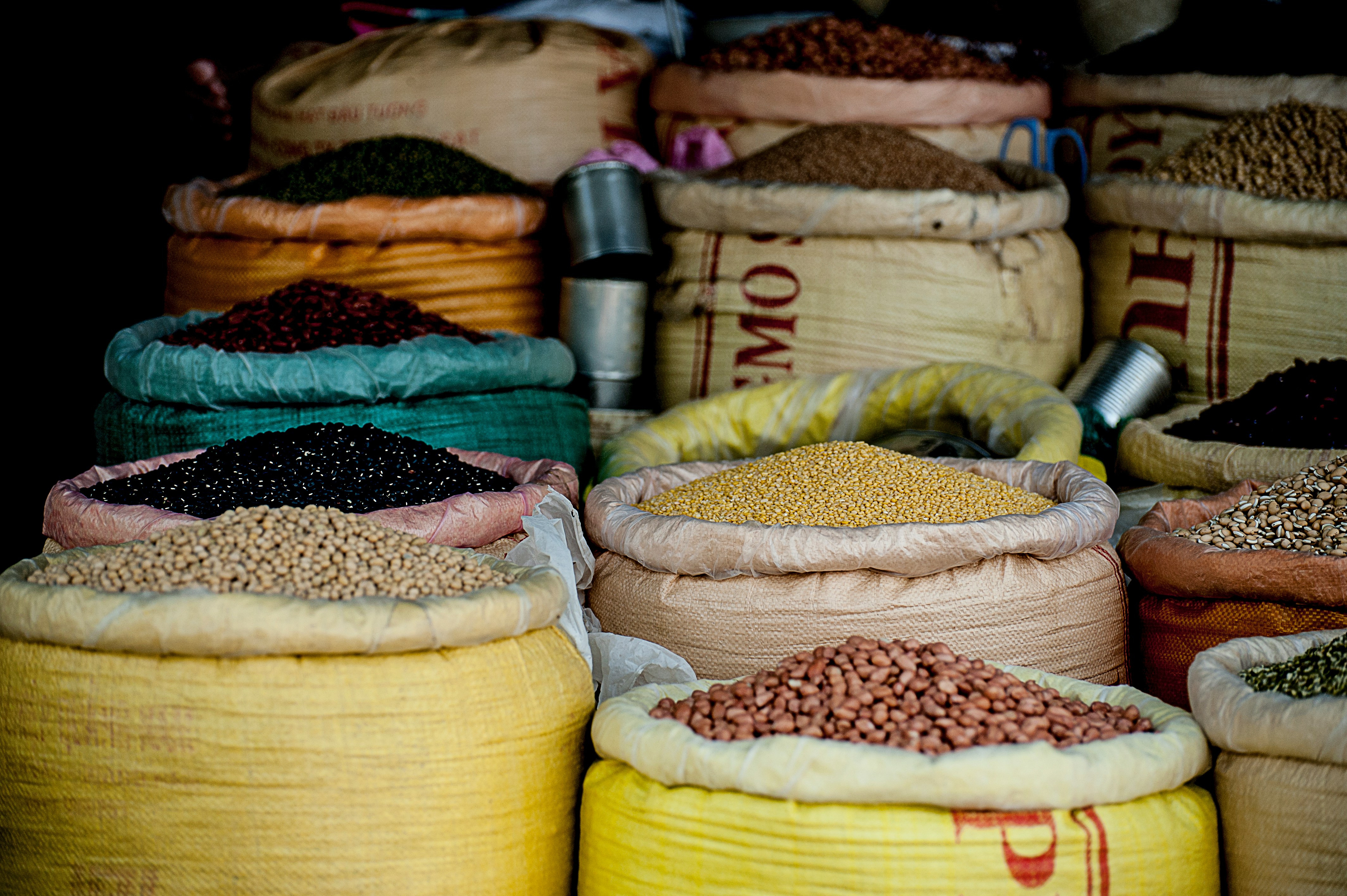
Safety stock can protect production against temporary supply interruptions.
However, inventory should be based on risk rather than simply increasing stock across every ingredient.
Factors to consider include:
Ingredient shelf life
Lead time
Supply volatility
Storage requirements
Production criticality
Replacement availability
Cost of production downtime
For highly perishable ingredients, supplier redundancy may be more effective than large inventories.
6. Use Market Intelligence
Procurement teams should monitor external indicators before disruptions affect their purchasing costs.
Useful indicators include:
Commodity prices
Crop forecasts
Weather developments
Freight rates
Energy prices
Fertilizer markets
Currency movements
Trade policies
Geopolitical developments
This can help companies move from reactive procurement to proactive procurement.
7. Develop Alternative Ingredients
Product development and procurement teams should work together to identify alternatives before a shortage occurs.
For example, manufacturers may evaluate:
Alternative starches
Different hydrocolloids
Alternative sweeteners
Different plant proteins
Alternative natural colours
Different fibre sources
The substitute must still satisfy food safety, regulatory, sensory, nutritional, and technical requirements.
8. Improve Supply-Chain Visibility
Digital tools can help procurement teams track:
Supplier performance
Purchase orders
Inventory
Shipments
Lead times
Commodity prices
Supplier risk
Regulatory events
However, visibility alone is not enough. Companies need clear procedures for acting on the information.
As supply-chain technology becomes more sophisticated, the competitive advantage increasingly comes from converting data into faster procurement decisions.
A Practical Risk-Management Framework for Food Ingredient Buyers
A useful procurement process can follow six stages:
Stage 1: Identify
List critical ingredients and map their suppliers, origins, transportation routes, and upstream dependencies.
Stage 2: Assess
Score each ingredient according to supply risk, business impact, price volatility, and replacement difficulty.
Stage 3: Diversify
Qualify alternative suppliers and geographical sources for high-risk ingredients.
Stage 4: Protect
Use contracts, safety stock, contingency logistics, and alternative formulations where appropriate.
Stage 5: Monitor
Track market, supplier, logistics, regulatory, and geopolitical indicators.
Stage 6: Respond
Create predefined actions for different disruption scenarios, such as:
Minor disruption → Adjust inventory
Supplier delay → Activate secondary supplier
Regional shortage → Change sourcing origin
Long-term shortage → Reformulate or redesign product
What Food Ingredient Buyers Should Prioritize in 2026
The supply-chain environment suggests that procurement strategies should move beyond traditional price-focused purchasing.
The most important priorities are:
Supplier diversification
Geographical diversification
Real-time supply-chain visibility
Strategic inventory management
Long-term supplier relationships
Alternative ingredient qualification
Supplier risk assessment
Regulatory and traceability management
Market and commodity monitoring
Business-continuity planning
The World Economic Forum has similarly emphasized that procurement needs to become a strategic driver of food-system resilience rather than simply a cost-management function.
The Future of Global Food Ingredient Procurement
Food ingredient supply chains are unlikely to return to the relatively predictable environment that existed before recent geopolitical, climate, and logistics disruptions.
The objective for manufacturers is therefore not to eliminate every supply-chain risk. Instead, the goal should be to identify the most important risks, reduce unnecessary dependencies, and maintain enough flexibility to respond quickly when disruptions occur.
A resilient ingredient sourcing model combines diversified suppliers, reliable logistics, strong quality systems, accurate market intelligence, strategic inventory, and alternative formulations.
For food ingredient buyers and suppliers alike, resilience is becoming a competitive advantage. Companies that can maintain consistent supply while controlling cost and compliance requirements will be better positioned to manage the increasingly complex global food market.
Sources
Benzoic Acid (E210) CAS: 65-85-0