
Lactic Acid in Food Processing: Preservation and Acidity Regulation
Lactic acid is an important organic acid used throughout the food processing industry to regulate acidity, support preservation, and develop desirable flavor characteristics. It occurs naturally during fermentation, when microorganisms convert carbohydrates into organic acids, and it can also be produced commercially for use as a food ingredient.
Food manufacturers use lactic acid in applications ranging from fermented dairy products and pickled vegetables to processed meats, sauces, dressings, and prepared foods. Its ability to lower pH and influence the chemical environment of a formulation makes it useful for managing product quality and supporting food safety systems.
For food ingredient suppliers and manufacturers, lactic acid represents an important ingredient category because it serves multiple functions across different processing sectors. Understanding its applications, commercial forms, and technical requirements helps businesses select appropriate grades and identify potential industrial buyers.
What Is Lactic Acid?
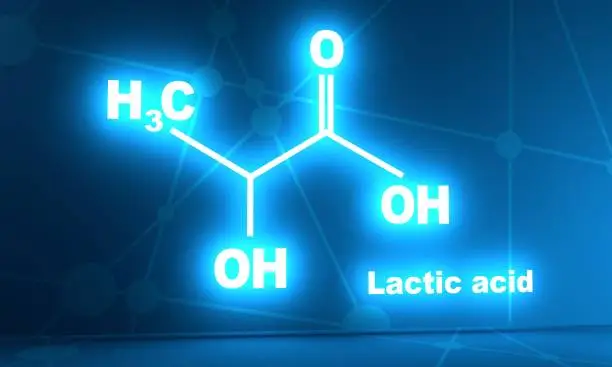
Lactic acid is an organic acid with the chemical formula C₃H₆O₃ and CAS number 50-21-5. It is produced naturally through fermentation and manufactured commercially for food, pharmaceutical, personal care, and other industrial applications.
In food processing, lactic acid is valued for its sour taste, acidity-regulating properties, and contribution to preservation systems. The U.S. Food and Drug Administration lists technical functions that include antimicrobial activity, curing or pickling, flavor enhancement, and pH control. Its authorized uses depend on the applicable regulations and conditions of use. <Cite refs={["turn499563search0","turn499563search1"]}/>
Commercial lactic acid is available in different concentrations and specifications. Food manufacturers typically select a product based on purity, concentration, application requirements, and compatibility with their processing equipment.
Unlike some acids that are primarily associated with a particular food category, lactic acid can be used in a variety of formulations. However, the required concentration, method of addition, and resulting product characteristics vary considerably between applications.
1. Food Preservation: Supporting Microbial Control
One of lactic acid's important roles in food processing is helping create conditions that limit the growth of certain microorganisms. By lowering the pH of a food, lactic acid can contribute to a preservation system designed to maintain product quality and safety.
Its effectiveness depends on the food's composition, target pH, water activity, storage temperature, packaging, and the microorganisms of concern. Some microorganisms tolerate acidic environments, so acidification should not be treated as a complete substitute for other necessary food safety controls.
Lactic acid can support preservation in several types of food products:
Pickled vegetables: Contributes to acidity in suitable pickling formulations.
Processed meat products: May be used in approved formulations or processing interventions designed to help control microbial hazards.
Sauces and dressings: Helps establish the desired acidity and can support a broader preservation system.
Fermented foods: Forms naturally during fermentation and contributes to the acidic environment characteristic of many fermented products.
Selected ready-to-eat foods: May be used as part of a validated system for controlling spoilage or specific pathogens, depending on the application.
The FDA identifies acidification as one method for helping control harmful bacteria in certain foods, while emphasizing the importance of maintaining appropriate pH conditions.

Lactic Acid in Dairy and Fermented Foods
Lactic acid is closely associated with dairy fermentation. In products such as yogurt, cultured milk, and certain cheeses, lactic acid-producing bacteria convert lactose and other available carbohydrates into lactic acid.
This process lowers pH, contributes to the characteristic tangy flavor, and influences the structure of dairy proteins. In yogurt, for example, acid development helps casein proteins form the gel structure responsible for its texture.
Lactic acid also occurs naturally in other fermented foods, including sauerkraut and selected fermented vegetable products.
Its role varies by manufacturing method:
Yogurt and cultured milk: Develops acidity and contributes to characteristic texture and flavor through fermentation.
Cheese: Acid development supports protein changes and contributes to texture and flavor development.
Fermented vegetables: Contributes to the acidic environment created during controlled fermentation.
Other fermented foods: Influences sourness and product characteristics.
Directly adding commercial lactic acid is not equivalent to biological fermentation. The two processes can produce different flavor profiles and product characteristics, so manufacturers should choose the method appropriate to the intended product.
Commercial Buyers and Market Opportunities
Lactic acid suppliers can target different food manufacturing sectors based on the ingredient's functional properties.
Buyer segment | Potential application |
|---|---|
Meat and poultry processors | Approved antimicrobial interventions and formulation applications |
Dairy manufacturers | Selected acidity-regulation applications |
Fermented food producers | Fermentation-related processing and acidity control |
Pickle manufacturers | Acidification and pickling |
Sauce and dressing producers | pH adjustment and flavor development |
Prepared-food manufacturers | Acidity regulation in suitable formulations |
Food ingredient distributors | Supply to multiple industrial customers |
These are potential buyer segments rather than a verified list of companies purchasing lactic acid. Actual demand depends on each manufacturer's recipe, processing method, local regulations, and procurement requirements.
For exporters and distributors, useful commercial considerations include food-grade specifications, concentration, packaging, storage conditions, documentation, and consistent supply. Liquid lactic acid buyers may also evaluate transport arrangements and compatibility with storage and dosing equipment.
Businesses exploring international sales can use the UN Comtrade database to investigate trade statistics for relevant product classifications. Because trade codes may cover different grades or applications, the resulting data should be combined with buyer research and market-specific regulatory checks.
6. Quality and Regulatory Considerations
Food-grade lactic acid should meet the specifications and purity requirements applicable to its intended use. Before purchasing or supplying the ingredient, businesses should review:
Certificate of Analysis (CoA): Batch-specific results for relevant quality parameters.
Technical Data Sheet (TDS): Concentration, physical properties, and recommended handling conditions.
Food safety documentation: Applicable manufacturing controls and supporting compliance statements.
Traceability: Batch identification, supplier information, and storage records.
Regulatory authorization: Confirmation that the ingredient and its intended application are permitted in the destination market.
Labeling requirements: Appropriate declarations for the finished food and any ingredient information required by law.
For the United States, relevant provisions include 21 CFR 184.1061. Internationally, the Codex General Standard for Food Additives provides a database for checking permitted additives and food-category conditions. National regulations must still be verified.
Lactic acid is a versatile ingredient in modern food processing, supporting acidity regulation, flavor development, and selected preservation applications. Its uses span meat and poultry processing, dairy products, fermented vegetables, sauces, dressings, and other prepared foods.
For food manufacturers, selecting the appropriate grade and controlling the processing conditions are essential to achieving consistent product quality. For ingredient suppliers and exporters, understanding the technical needs of each application can help identify suitable industrial customers and develop stronger commercial relationships.
https://codex.fao.org/codex-texts/codex-online-databases/gsfa?
https://www.hfpappexternal.fda.gov/scripts/fdcc/index.cfm?
Lactic Acid (E270) CAS: 50-21-5