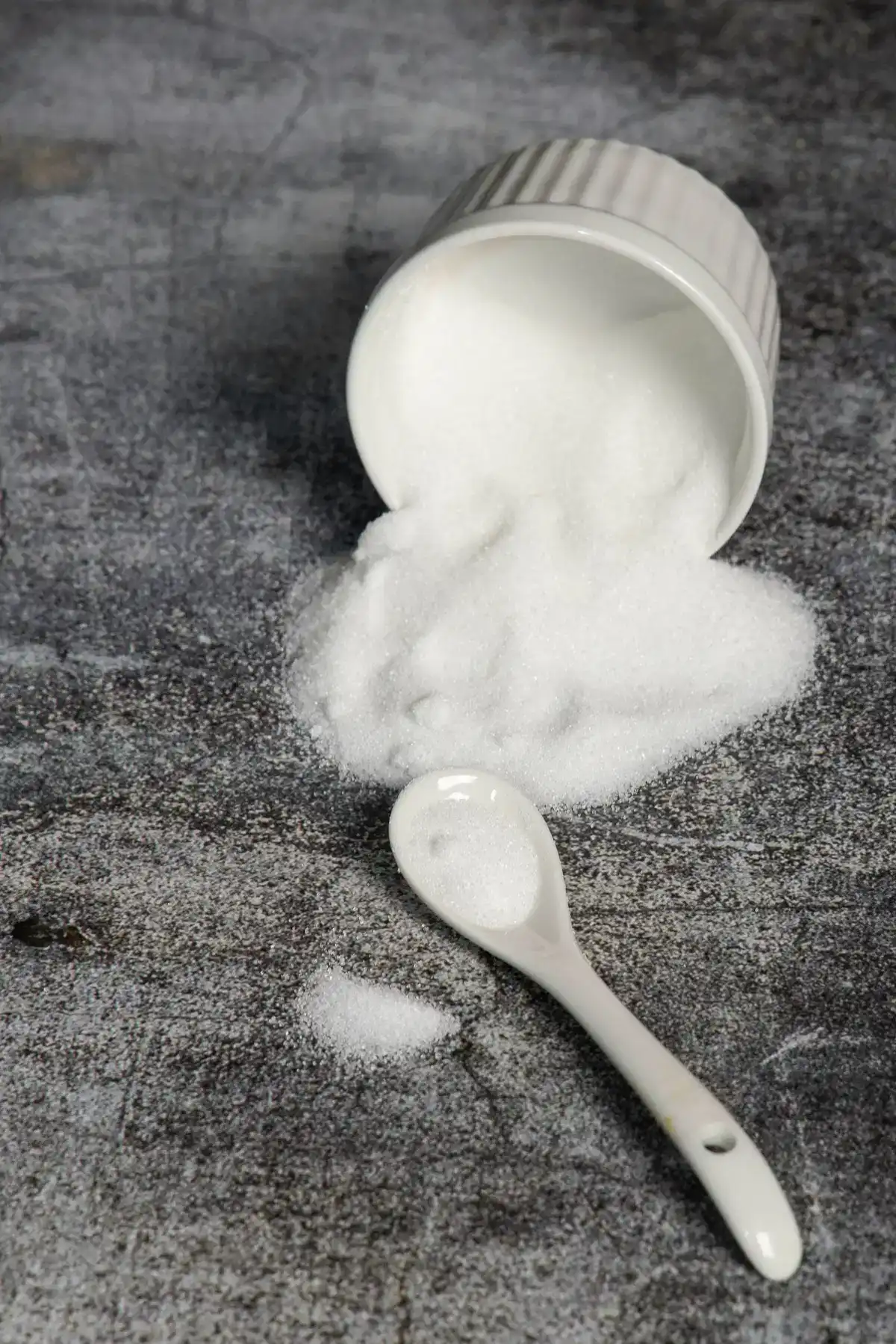
Potassium chloride (KCl) is widely studied as a partial substitute for sodium chloride (NaCl) in food formulation. Because it can provide a salty taste without adding sodium, it offers food manufacturers a practical approach to reducing sodium levels in selected products while maintaining some of the sensory characteristics consumers expect.
Applications include bread, processed meats, cheese, snacks, sauces, and other processed foods. However, replacing conventional salt is not simply a matter of exchanging one ingredient for another. Potassium chloride can introduce bitter, metallic, or chemical off-notes at higher concentrations, and its effects on texture, processing, preservation, and consumer acceptance vary by food category.
A review published in Nutrients examines the potential dietary impact of using potassium chloride in food products as a sodium-reduction strategy. Its findings highlight the importance of product-specific formulation, sensory evaluation, and consideration of potassium intake when developing lower-sodium foods.
For ingredient suppliers and food manufacturers, potassium chloride represents an opportunity to support sodium-reduction initiatives, provided that the resulting products meet quality, safety, and regulatory requirements.
Why Sodium Reduction Matters
Sodium chloride performs several important functions in food manufacturing. It contributes to saltiness and overall flavor while also influencing texture, protein functionality, water retention, and microbial stability in certain products.
However, excessive dietary sodium intake is associated with increased blood pressure and a higher risk of cardiovascular disease. Public-health initiatives therefore encourage food manufacturers to reduce sodium in processed foods without compromising product quality or safety.
Manufacturers can pursue sodium reduction through several approaches:
Gradually lowering added salt
Replacing part of the sodium chloride with potassium chloride
Combining different salt substitutes
Using flavor enhancers to maintain taste
Adjusting ingredient distribution and processing methods
Reformulating products to preserve texture and stability
Potassium chloride is particularly relevant because it can replace some of the salt-related functionality of sodium chloride, although the degree of replacement depends on the application.
How Potassium Chloride Works in Food Formulation
Potassium chloride is a mineral salt with a chemical composition different from sodium chloride. It can stimulate a perception of saltiness while contributing potassium rather than sodium.
This makes it useful in selected lower-sodium formulations.
However, the two salts are not identical from a sensory or technological perspective. Potassium chloride can produce bitterness and metallic or chemical notes, particularly as its proportion increases.
The practical objective is therefore to identify a replacement level that reduces sodium while preserving acceptable flavor, texture, processing performance, and shelf life.
In some formulations, manufacturers can improve results by combining potassium chloride with other approved ingredients or using complementary sodium-reduction techniques.
Key Applications Across Food Categories
1. Bread and Bakery Products
Bread is a significant application for sodium-reduction strategies because salt influences both flavor and dough behavior.
Partial replacement of sodium chloride with potassium chloride may help reduce sodium while maintaining acceptable saltiness. However, excessive replacement can affect flavor perception and may introduce metallic or bitter notes.
Formulation trials should evaluate:
Saltiness and overall flavor
Dough handling and processing
Crumb structure and texture
Fermentation behavior
Consumer acceptance
Product consistency during storage
The appropriate replacement level depends on the bread formulation and production process.
2. Processed Meat Products
Salt plays several technological roles in processed meat, including flavor development, protein extraction, water binding, and texture formation.
Potassium chloride can replace a portion of sodium chloride in selected products, but the formulation must be validated carefully.
Important considerations include:
Flavor and aftertaste
Texture and water retention
Processing performance
Microbial stability
Shelf-life requirements
Consumer acceptance
In products where salt contributes to preservation, reducing sodium chloride requires particular attention to food-safety controls. A sensory improvement alone does not demonstrate that the reformulated product remains microbiologically safe.
3. Cheese and Dairy Products
Some cheese formulations can tolerate partial replacement of sodium chloride with potassium chloride, but the results depend on cheese type, moisture content, ripening conditions, and production methods.
Potential considerations include:
Saltiness
Bitterness
Moisture management
Texture and maturation
Microbial stability
Flavor development during storage
Different cheese varieties may respond differently, so results from one formulation should not automatically be applied to another.
4. Snacks and Savory Foods
Potassium chloride can also be evaluated in seasoning blends and savory snack formulations.
In these products, manufacturers may have opportunities to combine partial salt replacement with flavor optimization, seasoning distribution, and other formulation techniques.
Evaluation should include:
Initial saltiness
Aftertaste
Flavor intensity
Seasoning adhesion
Consumer preference
Stability during storage
The aim is to deliver a lower-sodium product without creating a noticeable decline in eating quality.
5. Sauces, Soups, and Ready-to-Eat Foods
Liquid and semi-solid foods offer additional opportunities for sodium reduction, although the formulation challenges vary by product.
Potassium chloride may be used as part of a broader strategy that includes flavor enhancers, suitable food acids, herbs, spices, and other permitted ingredients.
Manufacturers should evaluate the effects on flavor balance, viscosity, ingredient interactions, microbial safety, and shelf-life performance.

How Much Salt Can Be Replaced?
There is no single replacement percentage that is suitable for every food.
The supplied review describes different levels of potassium chloride substitution that have been explored across product categories. For example, some studies reported acceptable replacement levels of approximately 25–30% in selected bakery products, while higher proportions were reported in certain cheeses.
These findings should be treated as application-specific research results, not universal formulation recommendations.
The practical replacement level depends on:
Product composition
Existing sodium concentration
Intended sodium reduction
Sensory expectations
Processing conditions
Preservation requirements
Consumer preferences
Applicable regulations
Manufacturers should establish suitable replacement levels through controlled trials and validation rather than applying a single percentage across an entire product portfolio.
Managing Bitterness and Metallic Aftertaste
Taste is one of the main barriers to wider potassium chloride substitution.
Although KCl can provide saltiness, higher concentrations may introduce undesirable sensory characteristics. These can reduce consumer acceptance even when the product achieves a meaningful sodium reduction.
Several formulation strategies may help.
1. Partial Replacement
Replacing only a portion of sodium chloride can help balance sodium reduction against taste quality.
2. Flavor Optimization
Herbs, spices, and other suitable flavor ingredients may help maintain the overall flavor profile in selected products.
3. Taste-Modifying Ingredients
Some formulation approaches use permitted flavor enhancers or other taste-modifying ingredients to reduce the perception of bitterness.
4. Combined Salt Systems
Blends containing different approved mineral salts may provide a more acceptable balance of taste and functionality in certain applications.
5. Consumer Testing
Sensory panels and consumer acceptance studies can help determine whether the reformulated product remains commercially competitive.
The best approach depends on the food category and must be validated for the final formulation.
Potassium Intake and Consumer Safety
Potassium chloride changes the nutritional composition of a product by replacing some sodium with potassium.
For many healthy adults, increasing potassium intake through food can be compatible with a balanced diet. However, potassium intake requires particular consideration for people with impaired kidney function or those taking certain medications that can increase potassium levels.
Food manufacturers should therefore avoid treating potassium chloride as a universally suitable replacement for every consumer group.
Responsible product development should consider:
The amount of potassium contributed by the formulation
Expected consumption patterns
The nutritional profile of the finished product
Applicable labeling requirements
Target consumers and relevant health considerations
Regulatory requirements in the intended market
Product-specific risk assessment and appropriate regulatory review are essential before commercial launch.
Food Safety and Regulatory Considerations
Sodium chloride can play a preservation role in foods by affecting water activity and microbial growth. Reducing its concentration may change these conditions, particularly in products that rely on salt as one of several preservation hurdles.
Potassium chloride should not be assumed to preserve every food in exactly the same way as sodium chloride at every substitution level.
Manufacturers should evaluate:
Microbial stability
Water activity and pH, where relevant
Processing and storage conditions
Packaging performance
Shelf-life requirements
Applicable food-additive and food-labeling rules
Ingredient specifications and documentation
Regulatory authorization varies by jurisdiction and intended use. Manufacturers must confirm that the ingredient, formulation, and labeling comply with the requirements of each target market.
Market Implications
Growing interest in sodium reduction creates opportunities for ingredient suppliers and food manufacturers developing reformulated products.
Potential market implications include:
Increased demand for salt substitutes
Greater investment in formulation research
Expansion of lower-sodium product ranges
More demand for sensory testing
Increased interest in blended seasoning systems
Greater need for food-safety validation
Opportunities for specialty ingredient suppliers
Commercial success will depend on whether manufacturers can deliver meaningful sodium reductions without compromising flavor, safety, functionality, or affordability.
Procurement Considerations
Procurement teams sourcing potassium chloride for food formulation should evaluate more than price and availability.
Important considerations include:
Food-grade specifications and purity
Supplier quality systems
Certificates of analysis
Regulatory documentation
Batch-to-batch consistency
Packaging and storage requirements
Supplier capacity and lead times
Technical support for formulation trials
Supply continuity and alternative sourcing
Close collaboration between procurement, research and development, quality assurance, and regulatory teams can help ensure that the selected ingredient is suitable for the intended application.
Competitive Intelligence
Companies following sodium-reduction developments should monitor several indicators.
Product Reformulation
Track new lower-sodium product launches and changes in the use of salt substitutes.
Consumer Acceptance
Monitor whether taste and aftertaste remain important barriers in different food categories.
Technical Innovation
Watch developments in flavor modulation, blended salts, seasoning technologies, and other sodium-reduction approaches.
Regulatory Developments
Review changes in food-additive permissions, nutritional labeling, and sodium-reduction policies.
Supplier Capabilities
Evaluate which ingredient suppliers can provide consistent food-grade materials and support product development.
These indicators can help businesses identify commercially viable opportunities rather than focusing solely on the theoretical potential for sodium reduction.
Looking Ahead
Potassium chloride is an important option for food manufacturers seeking to reduce sodium while retaining some of the sensory characteristics associated with conventional salt.
Its suitability, however, depends on the food matrix, replacement level, processing requirements, consumer expectations, and safety considerations. The strongest formulations will combine a technically appropriate substitution level with careful sensory testing and validated food-safety controls.
For ingredient suppliers, distributors, and procurement teams, potassium chloride illustrates the wider importance of functional ingredients in food reformulation.
The commercial opportunity lies in delivering lower-sodium products that remain safe, appealing, consistent, and economically viable.
Key Takeaways
Potassium chloride can replace part of the sodium chloride used in selected food formulations.
Applications include bread, processed meats, cheese, snacks, sauces, and other processed foods.
Higher replacement levels can produce bitter, metallic, or chemical aftertastes.
Suitable substitution levels vary by product and require formulation-specific testing.
Potassium intake requires consideration for certain consumers, particularly those with impaired kidney function or relevant medication use.
Sodium reduction must preserve food safety, processing performance, and shelf-life requirements.
Procurement teams should prioritize food-grade quality, documentation, supplier reliability, and technical support.
Sources
https://pmc.ncbi.nlm.nih.gov/articles/PMC4848703/
Potassium Chloride CAS: 7447-40-7