Sodium Benzoate: Applications and Buyers in Food Preservation
Food preservation is an essential part of modern food manufacturing. As producers distribute beverages, sauces, fruit preparations, and other processed foods across wider markets, maintaining product quality and controlling microbial spoilage become important operational priorities. Sodium benzoate is one of the established preservatives used to support these objectives, particularly in acidic food and beverage formulations.
Known as sodium benzoate (E211 or INS 211), this ingredient is the sodium salt of benzoic acid. It is valued by food manufacturers for its water solubility, ease of handling, and ability to inhibit the growth of certain spoilage microorganisms under suitable formulation conditions. The World Health Organization and Food and Agriculture Organization's Joint Expert Committee on Food Additives (JECFA) classifies it as a food additive with a preservative function.
For ingredient suppliers, importers, and procurement professionals, understanding sodium benzoate applications is also important for identifying suitable customers, meeting technical specifications, and developing reliable supply relationships.
What Is Sodium Benzoate and How Does It Work?
Sodium benzoate is a white crystalline powder or granular ingredient used in food formulations where benzoate preservatives are permitted. Its effectiveness depends strongly on the product's acidity, as benzoic acid—the active antimicrobial form—is more prevalent at lower pH levels.
This makes sodium benzoate particularly relevant to acidic products such as certain soft drinks, fruit-based beverages, sauces, and pickled foods. Depending on the formulation, it helps control the growth of yeasts, moulds, and some bacteria that can contribute to spoilage. Its effectiveness varies with pH, concentration, microbial conditions, processing practices, and packaging.

Sodium benzoate is not a substitute for proper sanitation, heat treatment where required, or appropriate storage. Instead, it works as one component of a broader food-safety and shelf-life management strategy.
Key Applications of Sodium Benzoate in Food Preservation
Sodium benzoate serves different purposes across the food industry. Its suitability depends on the product's pH, composition, processing conditions, and the food categories in which its use is legally permitted.
1. Soft Drinks and Flavoured Beverages
Beverage manufacturers use sodium benzoate in suitable acidic formulations to help control yeast and mould growth. It can be relevant to carbonated soft drinks, flavoured drinks, beverage concentrates, and selected fruit-based beverages.
Its effectiveness depends on the beverage's acidity and the complete preservation system.

2. Sauces, Ketchup, and Condiments
Manufacturers of tomato sauces, chilli sauces, dressings, and other acidic condiments may use sodium benzoate where permitted. It supports microbial stability and helps maintain product quality during storage.
Buyers typically evaluate compatibility with acidity, flavour, packaging, and the intended shelf life.

3. Jams, Jellies, and Fruit Preparations
Fruit processors may consider sodium benzoate for suitable jams, toppings, syrups, and fruit preparations. Its role is to help manage spoilage microorganisms, particularly yeasts and moulds, when the formulation and regulations allow its use.
4. Pickles and Vinegar-Based Products
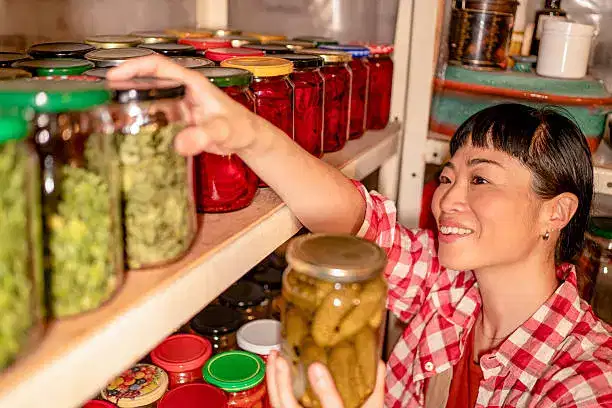
Pickle and relish manufacturers may use benzoate preservatives in eligible acidic products. The preservative must be evaluated alongside salt concentration, acidity, processing hygiene, and storage conditions.
Who Are the Main Buyers of Sodium Benzoate?
Understanding the buyer landscape is essential for manufacturers, exporters, wholesalers, and chemical distributors seeking commercial opportunities.
The strongest prospects are businesses that formulate products requiring suitable preservatives or distribute food-grade ingredients to those manufacturers.
Buyer segment | Potential applications | Typical purchasing priority |
|---|---|---|
Beverage manufacturers | Soft drinks, flavoured beverages, concentrates | Consistent quality and reliable bulk supply |
Sauce and condiment producers | Ketchup, chilli sauces, dressings | Formulation compatibility and food-grade documentation |
Fruit processors | Fruit preparations, syrups, eligible preserves | Shelf-life performance and regulatory compliance |
Pickle manufacturers | Pickles, relishes, vinegar-based products | Product stability and batch consistency |
Food ingredient distributors | Resale to food factories and smaller manufacturers | Competitive pricing, packaging, and availability |
Food processing ingredient importers | Supply to multiple industrial customers | Import documentation, traceability, and dependable sourcing |
Potential sodium benzoate buyers in Pakistan
Pakistan offers potential B2B opportunities through food manufacturers, beverage companies, and chemical importers. Shipment databases can help identify prospects, although an import record does not necessarily establish the exact end use or prove that a company is currently looking for new suppliers.
Examples identified in publicly indexed sodium benzoate import-trade records include:
Brothers Enterprise Pvt. Ltd. — a potential importer or trading prospect to investigate.
The Coca-Cola Export Corporation — sodium benzoate appears in reported import records associated with beverage-related sourcing.
Pepsi Cola International Pvt. Ltd. — a potential beverage-sector prospect for supplier research.
Haameem — a company named in sodium benzoate import records.
Before approaching any company, verify its current purchasing activity, intended grade, and approved-supplier process. In particular, confirm that the product being sourced is suitable for food use rather than assuming every sodium benzoate import is food-grade.
What Do Industrial Buyers Look for in Sodium Benzoate?
Purchasing decisions depend on more than price. Food manufacturers need an ingredient that meets their technical requirements and can be incorporated consistently into their production processes.
1. Food-grade specifications
Buyers require a grade suitable for the intended food application and compliant with relevant food-additive standards. A product intended for industrial or other non-food uses should not be substituted for a food-grade ingredient.
2. Purity and batch consistency
Consistent chemical quality helps manufacturers maintain repeatable formulations. Buyers may specify assay, impurity limits, appearance, solubility, and other technical parameters.
3. Certificate of Analysis (COA)
A batch-specific COA enables the buyer's quality team to review analytical results against the agreed product specification. Safety data sheets and relevant compliance declarations may also be required.
4. Reliable packaging and traceability
Sealed, appropriately labelled packaging helps protect the ingredient from contamination and moisture during storage and transportation. Industrial purchases commonly use bags or other bulk packaging selected according to supplier specifications and buyer requirements.
5. Competitive pricing and dependable delivery
Procurement teams assess the total supply cost, including freight, import duties where applicable, handling, lead time, minimum order quantities, and payment terms. Reliable delivery is particularly important for factories operating continuous production schedules.
For exporters and distributors, a targeted approach is more effective than sending identical quotations to every food company.
Identify relevant manufacturers. Focus on companies producing acidic beverages, sauces, condiments, fruit preparations, and other products where sodium benzoate may be permitted.
Research procurement contacts. Look for purchasing managers, ingredient sourcing teams, quality assurance departments, and product development teams.
Prepare a complete technical offer. Include the product grade, specification sheet, COA, packaging details, origin, available quantity, and delivery terms.
Offer application-relevant information. Explain the product's technical characteristics without making unsupported shelf-life or performance guarantees.
Verify the buyer's requirements. Confirm regulatory documentation, approved-vendor procedures, expected volumes, and delivery schedules before finalising a quotation.
Import-trade databases such as Volza's sodium benzoate buyer directory can support prospect research, while direct company communication is necessary to establish current demand.
Food Safety and Regulatory Compliance
Sodium benzoate must be used according to the regulations applicable to the product and destination market. Codex provisions specify different maximum levels for different food categories, and national regulations may differ in their permitted uses and conditions.
JECFA's 2021 evaluation established a group acceptable daily intake of 0–20 mg/kg of body weight per day, expressed as benzoic acid equivalents, for the benzoate-related substances covered by that evaluation. This is a toxicological guidance value for total dietary exposure, not a recommended amount to add to an individual food product.
Sources
https://www.fao.org/gsfaonline/groups/details.html?id=162&
https://www.fao.org/gsfaonline/groups/details.html?id=162&
https://www.law.cornell.edu/cfr/text/21/184.1733?
Sodium Benzoate (E211) CAS: 532-32-1