

Sodium benzoate is a widely traded food preservative used in beverages, sauces, processed foods and other acidic formulations. China is an important global production and export base, while African food and beverage manufacturers increasingly depend on imported additives to support expanding processing capacity.
For B2B buyers, however, competitive pricing alone does not determine a successful sodium benzoate shipment. Product grade, food additive approval, documentation, labeling, customs procedures and destination-country requirements all influence whether cargo can move smoothly from a Chinese supplier to an African market.
The compliance challenge becomes more complex because Africa does not operate under one unified national food-additive regime. Buyers and exporters must understand the requirements of the individual destination market while using international standards such as Codex as an important reference point.
Sodium Benzoate and Its Role in Food Manufacturing
Sodium benzoate, also identified as INS 211 under the Codex food additive system, functions primarily as a preservative. It helps control the growth of microorganisms in suitable food and beverage formulations, particularly products with acidic conditions.
Its commercial importance comes from its versatility. Manufacturers can incorporate it into products such as:
Soft drinks and flavored beverages: Sodium benzoate can support preservation systems in acidic beverage formulations.
Fruit-based products: Juice drinks, syrups and related products may use permitted preservative systems to support shelf stability.
Sauces and condiments: Suitable formulations can use sodium benzoate as part of their preservation strategy.
Processed foods: Certain food categories permit preservative use subject to applicable limits and conditions.
Industrial food production: Large manufacturers value consistent additive quality because production runs require predictable formulation performance.
The exact permitted use depends on the food category and applicable national requirements. Codex's General Standard for Food Additives provides a searchable framework covering food additives, functional classes and food categories.
Why China Is Important for African Sodium Benzoate Buyers
China has developed a substantial chemical manufacturing and export infrastructure that supports international supply of food additives. Large-scale production, established logistics networks and access to chemical raw materials allow Chinese suppliers to compete for customers across emerging markets.
African importers can benefit from this supplier base when they need recurring commercial quantities. Chinese producers and exporters can also offer different packaging formats and shipment arrangements depending on customer requirements.
The procurement advantage extends beyond price. Established suppliers may provide technical specifications, certificates of analysis and export documentation that help buyers satisfy internal quality systems and destination-market requirements.
However, buyers should avoid treating all Chinese sodium benzoate offers as equivalent. Supplier qualification should precede price negotiation, particularly when the material will enter a regulated food manufacturing chain.
African Food Additive Compliance Is Market Specific
One of the most important considerations for China-to-Africa trade is regulatory fragmentation. African countries operate different food laws, regulatory authorities, customs systems and additive-control procedures.
Codex provides an important international reference. Its food additive database contains provisions adopted by the Codex Alimentarius Commission and allows users to search by additive, functional class and food category. Sodium benzoate appears in Codex specifications under INS 211.
However, a Codex reference does not eliminate the need to check the destination country's requirements. Importers should confirm whether the relevant national authority has additional requirements for additive approval, permitted food categories, maximum levels, registration or documentation.
South Africa provides a useful example of how national rules can incorporate Codex principles. Its food regulations reference Codex specifications for food additives and set requirements concerning permitted additives and maximum levels.
Documentation Chinese Exporters Should Prepare
Documentation forms a central part of successful international sodium benzoate procurement. Missing, inconsistent or inaccurate paperwork can delay customs clearance even when the physical product meets the required specification.
A standard commercial documentation package may include:
Certificate of Analysis: The COA should identify the batch and demonstrate conformity with the agreed technical specification.
Safety Data Sheet: The SDS provides handling, storage and safety information required by downstream users and logistics providers.
Certificate of Origin: Buyers may require origin documentation for customs or commercial purposes.
Commercial invoice: The invoice should accurately identify the product, quantity, value and transaction terms.
Packing list: Packaging details should correspond with the physical shipment.
Product specification: The technical specification should clearly define quality parameters agreed between buyer and supplier.
Regulatory documents: Additional certificates or declarations may apply depending on the destination market and intended use.
Documentation should remain consistent across the purchase order, invoice, packing list, product packaging and certificate of analysis. Even small discrepancies in product descriptions, quantities or batch references can create unnecessary administrative issues.
Product Specifications Matter for Food-Grade Sodium Benzoate
Food manufacturers need more than a generic declaration that material is "sodium benzoate." Procurement teams should establish a detailed specification before approving a supplier.
Key purchasing parameters may include:
Assay or purity
Appearance
Moisture
Acidity or alkalinity
Chloride and other relevant impurities
Heavy metal limits where applicable
Particle characteristics
Packaging requirements
Batch traceability
The buyer should define which parameters are critical to the intended application. A beverage producer may have different internal requirements from a distributor supplying several food manufacturers.
A supplier's COA should correspond to the agreed specification and identify the relevant production batch. This gives the buyer a practical quality-control reference when receiving shipments.
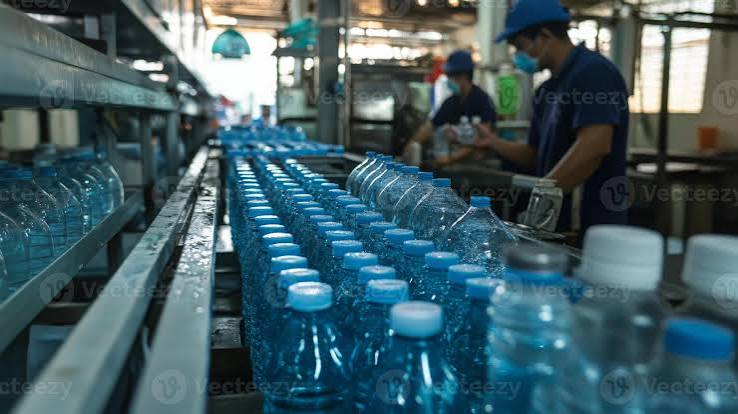
Labeling and Packaging Requirements for African Imports
Packaging and labeling requirements vary by destination market and by whether the sodium benzoate enters the market as an ingredient, additive or industrial material.
The commercial packaging should provide clear product identification and traceability. Buyers should establish requirements for manufacturer information, batch number, net weight, country of origin, production information and storage instructions where applicable.
Language can also become important. English serves as a major commercial language in many African markets, while French plays a significant role across Francophone countries and Arabic can be relevant in North African markets.
Exporters should therefore confirm the destination requirements before printing final packaging. A label designed for one African market should not automatically become the template for every other destination.
Importer Responsibilities in the Destination Market
Compliance does not end when the supplier loads the container in China. The African importer often carries significant responsibility for local registration, customs procedures and food-regulatory compliance.
Before shipment, the importer should establish:
Which authority regulates the product in the destination country.
Whether the importer requires registration or licensing.
Whether the additive has permitted uses in the intended food category.
Which documents customs and food authorities require.
Whether pre-shipment inspection or additional certification applies.
What labeling and language requirements apply.
Whether the finished food product has separate additive-use restrictions.
This preparation can reduce the risk of delays after cargo arrives at the destination port.
Sodium Benzoate Compliance for Beverage Manufacturers
Beverage production represents a particularly important market for sodium benzoate. Carbonated drinks, flavored beverages, juice-based products and other acidic formulations can use preservative systems when regulations permit them.
Beverage manufacturers should distinguish between raw-material compliance and finished-product compliance. Even when purchased sodium benzoate meets the required specification, the finished beverage must still comply with applicable rules concerning additive use and permitted levels.
Product formulation also matters because preservative effectiveness depends on the characteristics of the final beverage. Food manufacturers should therefore determine their formulation requirements before selecting the commercial additive specification.
This makes technical communication between the Chinese supplier and African buyer especially valuable. The supplier needs to understand the intended use, while the buyer needs reliable information about product quality and documentation.
Common Compliance Risks in China-to-Africa Trade
International sodium benzoate transactions can encounter several preventable risks. Most arise from gaps between commercial purchasing requirements and regulatory expectations.
Using the wrong grade: A technically acceptable industrial material may not satisfy requirements for food applications. Buyers should specify food-grade requirements where the intended use demands them.
Incomplete documentation: Missing certificates or inconsistent shipment records can slow customs and quality clearance.
Ignoring destination regulations: A product permitted under one country's rules may face different requirements elsewhere.
Incorrect labeling: Packaging that lacks required information or uses inappropriate language can create regulatory problems.
Unqualified suppliers: Buyers that select suppliers solely on price may face inconsistent quality or inadequate technical support.
Weak batch traceability: Without clear batch references, investigating quality issues becomes more difficult.
These risks can often be reduced through supplier prequalification and a documented purchase specification.
How B2B Buyers Should Qualify Chinese Suppliers
A structured supplier-qualification process helps African importers distinguish reliable manufacturers from purely price-driven trading offers.
Start by requesting the supplier's technical specification and representative COA. Confirm that the offered material matches the intended food application and the buyer's internal quality requirements.
Next, assess manufacturing and export capability. Important questions include:
Can the supplier support the required annual volume?
Does the supplier regularly export to African markets?
Can it provide consistent batch documentation?
What packaging formats are available?
What are the normal production and shipping lead times?
Can the supplier support recurring orders?
How does the supplier handle quality complaints?
Buyers should also compare suppliers using the same Incoterm, shipment quantity and specification. This creates a more meaningful comparison than simply ranking suppliers by their headline price.
Managing Total Landed Cost for African Importers
The lowest Chinese FOB quotation does not necessarily produce the lowest final procurement cost. Buyers should calculate the full landed economics before selecting an origin or supplier.
The relevant cost structure can include:
Product price + ocean freight + insurance + port charges + customs duties and taxes + inspection costs + inland transportation + warehousing and handling.
Container utilization can influence the final cost per tonne. Packaging configuration, pallet requirements and loading efficiency may affect the quantity that reaches the destination market in each shipment.
Currency movements also matter because many international contracts use US dollars while African buyers sell products in local currencies. Procurement teams should incorporate foreign-exchange exposure into their purchasing plans when contract values are significant.
Building a More Resilient Sodium Benzoate Supply Chain
African buyers can strengthen supply continuity by avoiding excessive dependence on a single supplier. Maintaining relationships with multiple qualified Chinese producers can create alternatives when production, freight or commercial conditions change.
Contract planning should reflect consumption patterns. High-volume beverage manufacturers with predictable demand may benefit from scheduled shipments or framework agreements, while distributors may prefer a combination of contracted inventory and spot purchases.
Inventory strategy also matters. Maintaining appropriate safety stock can protect manufacturers against port delays and temporary supplier disruptions without unnecessarily tying up working capital.
The strongest approach combines supplier diversification, technical qualification, documentation control and realistic inventory planning.
What African Buyers Should Do Before Placing an Order
A practical compliance checklist can help procurement teams avoid preventable problems:
Confirm the intended application and required grade.
Check the destination country's food additive requirements.
Verify the applicable food category and permitted use.
Request a detailed product specification and batch-specific COA.
Obtain the SDS and required commercial documentation.
Confirm packaging and labeling requirements before production.
Verify importer registration or licensing requirements.
Agree on Incoterms, shipment quantity and delivery schedule.
Calculate the complete landed cost.
Maintain at least one qualified alternative supplier for critical demand.
This process turns regulatory compliance into part of procurement planning rather than a last-minute customs exercise.
Looking Ahead for Sodium Benzoate Trade
African food and beverage manufacturing continues to create opportunities for international suppliers of preservatives and other food ingredients. As manufacturing capacity grows, buyers are likely to place greater emphasis on consistent quality, documentation, traceability and reliable international logistics.
China's established manufacturing base gives African importers access to competitive sodium benzoate supply, but successful transactions require destination-specific regulatory planning. Codex can provide an important international reference point, while national authorities determine the practical requirements that apply within each market.
For exporters, compliance should become part of the commercial offering rather than an afterthought. Suppliers that provide clear specifications, reliable certificates, accurate documentation and responsive technical support can build stronger relationships with African importers.
Sodium Benzoate (E211) CAS: 532-32-1