Sucralose in Food Manufacturing: Applications in Reduced-Sugar Products
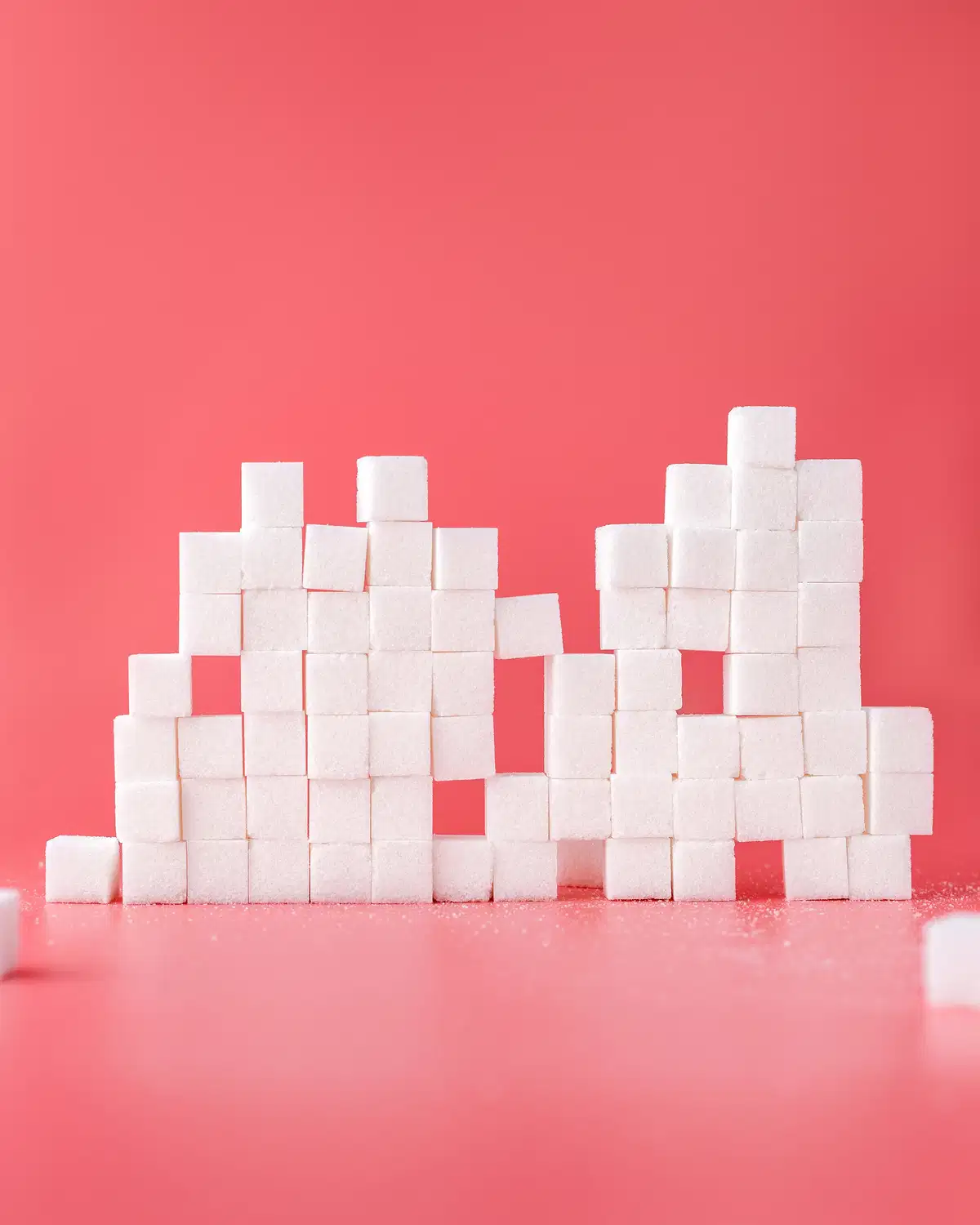
Sucralose has become an important ingredient in food manufacturing as producers develop reduced-sugar and sugar-free products without compromising sweetness. Approximately 600 times sweeter than table sugar, this high-intensity sweetener can deliver the desired sweetness at relatively low inclusion levels. It is used in a variety of food applications, including beverages, chewing gum, gelatins and certain frozen dairy desserts.
What Is Sucralose?
Sucralose is a high-intensity, non-nutritive sweetener used to provide sweetness without contributing significant calories at typical food-use levels. It is commonly identified by the food additive number E 955 in the European Union.
Unlike conventional sugar, sucralose can provide substantial sweetness in very small quantities. This makes it useful for manufacturers looking to reduce the amount of sugar in a formulation while maintaining a familiar sweet taste.
According to the US Food and Drug Administration (FDA), sucralose is approved for use in food under specified conditions. Its permitted applications include several categories of beverages, baked goods and other processed foods.
Why Food Manufacturers Use Sucralose
1. High Sweetness Intensity
Sucralose delivers a high level of sweetness at low inclusion rates. Manufacturers can use it to develop reduced-sugar formulations without adding equivalent quantities of another sweetening ingredient.
The appropriate amount depends on the product's sweetness target, other ingredients and interactions with flavour components. Formulation trials are therefore essential before commercial production.
2. Support for Sugar Reduction
Sugar reduction is an important consideration for manufacturers responding to consumer preferences, product reformulation goals and applicable nutrition policies.
Sucralose can help reduce the amount of added sugar needed to achieve a desired sweetness profile. However, sugar also contributes bulk, viscosity, browning, moisture retention and texture. Replacing its sweetness does not automatically reproduce these functions.
Manufacturers may need additional ingredients or processing adjustments to maintain product quality.
3. Application Flexibility
Sucralose is used across several food categories, although its suitability depends on the specific product and regulatory conditions. Manufacturers should evaluate its performance in the actual processing environment rather than assuming that results from one application will transfer directly to another.
Key Applications of Sucralose in Food Manufacturing
Reduced-Sugar Beverages
<underline>Beverages are an important application area for high-intensity sweeteners.</underline> Sucralose can be used in selected reduced-sugar or sugar-free soft drinks, flavoured waters, powdered drink mixes and other beverage formulations where permitted.
Because it is used at low concentrations, it can provide sweetness without requiring the same quantity of sweetening solids as sugar.
Manufacturers should evaluate:
Sweetness intensity and aftertaste.
Compatibility with acids, flavours and other sweeteners.
Solubility and uniform distribution.
Stability throughout the product's intended shelf life.
Compliance with permitted-use levels and labelling requirements.
Pilot testing is recommended to ensure that the finished beverage delivers consistent sweetness from batch to batch.
Dairy Products and Frozen Desserts
Sucralose is also used in selected dairy and frozen dessert applications, subject to the applicable regulations.
Potential products include flavoured dairy desserts, selected frozen dairy products and reduced-sugar dessert formulations. In these products, sweetness must be balanced with milk solids, fat, stabilisers, flavourings and other ingredients.
Sugar reduction can affect freezing behaviour, body and mouthfeel. Manufacturers may therefore need to adjust the formulation to preserve creaminess and product structure.
Bakery Products
Bakery reformulation requires particular attention because sugar contributes to more than sweetness. It influences browning, moisture retention, spread, tenderness and the structure of baked products.
Although the FDA identifies sucralose as heat-stable and suitable for certain baked goods under US authorisations, manufacturers should not assume that every bakery application is appropriate.
In February 2026, the European Food Safety Authority (EFSA) concluded that sucralose remained safe for its currently authorised uses in the EU but could not confirm the safety of a proposed extension to additional fine bakery wares. The assessment identified uncertainty concerning potential degradation products under prolonged high-temperature conditions.
Manufacturers developing bakery products should consult the latest regulatory requirements for the intended market and assess the relevant temperature and processing conditions before using sucralose.
Source: EFSA's 2026 sucralose re-evaluation
Desserts, Gelatins and Confectionery
Sucralose can be used in selected desserts, gelatins, chewing gum and other sweet products. Its high sweetness intensity makes it suitable for formulations where manufacturers want to limit the amount of conventional sugar.
The main challenge is maintaining the physical characteristics of the original product. Sugar can contribute solids, chewiness, gel characteristics and bulk, depending on the formulation.
Product developers should evaluate texture, flavour release, sweetness persistence and consumer acceptance before scaling up production.
Powdered Mixes and Tabletop Sweeteners
Sucralose can also be incorporated into dry beverage mixes, dessert mixes and tabletop sweetener products.
In these applications, manufacturers need to ensure uniform distribution, appropriate particle characteristics and consistent sweetness. Since sucralose is highly concentrated relative to sugar, it is often combined with suitable carriers or bulking ingredients to improve handling and blending.
Packaging should also protect the product from moisture and other conditions that could affect its physical quality.
Formulation Challenges When Replacing Sugar
Replacing sugar with sucralose is not a direct one-for-one substitution. Manufacturers need to identify which functions sugar performs in the original formulation.
Texture and Bulk
Sugar contributes mass and structure. Sucralose provides intense sweetness but does not replace sugar's bulk at comparable use levels.
Depending on the product, manufacturers may need to evaluate bulking agents, fibres, polyols or other suitable ingredients. Each option has its own technological, nutritional and regulatory considerations.
Flavour Profile
High-intensity sweeteners can behave differently from sugar in the way sweetness develops and fades. The finished product may require adjustments to flavours, acidity or combinations of sweeteners to achieve the intended sensory profile.
Sensory testing with the target consumer group can help determine whether the reformulated product meets expectations.
Processing and Shelf Life
Manufacturers should assess sucralose under the actual conditions used in production, including temperature, pH, processing duration and storage.
Testing should also consider the stability of the complete formulation, rather than evaluating the sweetener in isolation.
Regulatory Compliance and Food Safety
Regulatory requirements vary by market and food category. Approval in one jurisdiction does not automatically mean that a particular application is permitted everywhere.
United States
The FDA regulates sucralose as a food additive. Its authorised uses and conditions are described in the relevant regulations, including 21 CFR § 172.831.
Manufacturers should verify the applicable requirements for their product category, intended use and labelling.
European Union
Sucralose is designated E 955 in the EU. EFSA's February 2026 re-evaluation concluded that the existing acceptable daily intake of 15 mg per kilogram of body weight per day did not need to change for currently authorised uses. However, EFSA could not confirm the safety of the proposed extension to additional fine bakery wares because of identified uncertainties.
Read the EFSA plain-language summary for details.
Supplier Documentation
Before purchasing sucralose for commercial manufacturing, buyers should review:
Certificate of Analysis (CoA).
Product specification and purity information.
Food-grade compliance documentation.
Allergen and contamination statements, where relevant.
Country-specific regulatory documentation.
Storage, handling and shelf-life information.
Traceability and batch identification records.
The documentation should match the intended application and destination market.
How to Select a Sucralose Supplier
Reliable sourcing is important for maintaining formulation consistency and avoiding production interruptions. Food manufacturers should assess suppliers on more than price alone.
Key purchasing considerations include:
Quality consistency: Confirm that specifications and batch-to-batch quality meet the manufacturer's requirements.
Regulatory support: Request documentation relevant to the intended country and food category.
Supply reliability: Evaluate lead times, available stock, production capacity and continuity of supply.
Technical assistance: Prefer suppliers that can provide formulation guidance and respond to questions about handling, compatibility and application requirements.
Commercial terms: Compare price, minimum order quantities, packaging formats, delivery terms and payment conditions.
For manufacturers serving multiple markets, regulatory documentation and supply-chain traceability should form part of the supplier approval process.
Future Outlook for Sucralose in Reduced-Sugar Foods
Sucralose is likely to remain a useful option for food developers working on reduced-sugar beverages, desserts and other permitted applications. Its high sweetness intensity allows manufacturers to formulate products with substantially less conventional sugar while retaining a sweet taste.
However, future formulation decisions will depend on more than sweetness. Manufacturers will need to balance consumer preferences, sensory quality, processing performance, ingredient costs and evolving regulatory requirements.
The February 2026 EFSA re-evaluation also highlights the importance of checking the latest scientific and regulatory assessments before extending an ingredient into new product categories. For manufacturers, the most effective approach is to combine application testing, supplier qualification and market-specific compliance checks before commercial launch.
Sources
Sucralose (E955) CAS: 56038-13-2