
Transglutaminase is a functional enzyme used in food manufacturing to modify protein structures and improve the texture, binding properties, and stability of selected food products. Often referred to as a protein cross-linking enzyme, it has applications across meat processing, dairy production, seafood, bakery products, and plant-based food development.
For industrial food manufacturers, transglutaminase offers a way to adjust the functional properties of proteins without relying exclusively on conventional additives or processing techniques. Its effectiveness depends on the protein source, enzyme preparation, formulation, processing conditions, and intended product characteristics. Source: Food Chemistry review
What Is Transglutaminase?
Transglutaminase (TG) is an enzyme that catalyses reactions involving protein-bound glutamine residues. Under suitable conditions, it can form covalent bonds between glutamine and lysine residues in proteins, creating cross-linked protein networks.
These networks can alter several functional properties, including:
Protein gel formation and firmness
Water-holding capacity
Elasticity and cohesiveness
Viscosity and structural stability
Emulsification and other interfacial properties
Microbial transglutaminase (MTG) is an important commercial form produced through microbial fermentation. It is widely studied and used because of its ability to modify different food proteins under suitable processing conditions. Source: Microbial transglutaminase in the food industry
Key Applications of Transglutaminase in Food Manufacturing
1. Meat Processing and Protein Binding
Meat processing is one of the major applications of transglutaminase. The enzyme can help bind compatible pieces of meat and strengthen the structure of processed meat products.
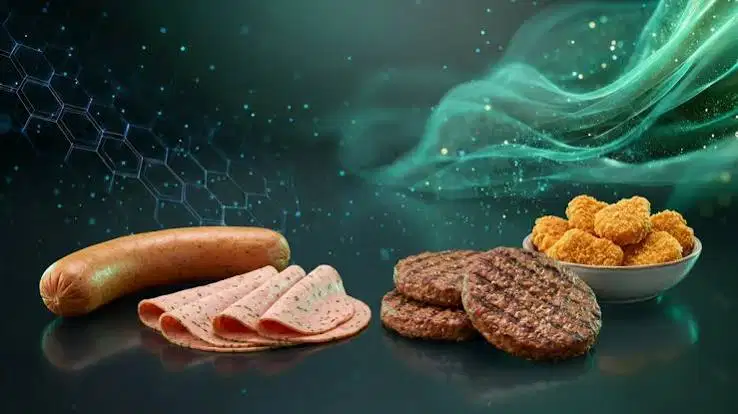
Potential applications include restructured meat products, sausages, poultry preparations, and other formulated meat foods.
By promoting protein cross-linking, transglutaminase can improve cohesiveness, firmness, and structural integrity. Depending on the formulation, it may also help reduce cooking losses and improve product yield.
Manufacturers must validate the binding process and ensure that restructured products are handled and cooked according to appropriate food safety requirements.
2. Dairy Products and Yogurt Texture
In dairy manufacturing, transglutaminase can modify milk proteins, including casein and whey proteins. The resulting protein networks can improve gel structure and influence the texture of products such as yogurt and other cultured dairy foods.
Potential benefits include:
Improved firmness and consistency
Greater water retention
Reduced whey separation, also known as syneresis
Improved structural stability during storage
These effects can be particularly valuable for manufacturers seeking consistent texture across production batches. The results depend on milk composition, enzyme treatment, fermentation conditions, and the final product specification.
3. Cheese and Processed Dairy Applications
Transglutaminase can influence the functional properties of dairy proteins and may be used in selected cheese and processed dairy formulations.
Protein cross-linking can change the firmness, moisture retention, and structural characteristics of the product. However, the effect on cheese functionality varies with the manufacturing method and the type of cheese being produced.
Manufacturers should evaluate enzyme treatment alongside coagulation, fermentation, moisture control, and maturation requirements.
4. Seafood and Fish-Based Products
Transglutaminase is used in certain seafood applications to improve the cohesion and texture of fish proteins.
In products made from minced or restructured fish, the enzyme can help create a firmer protein network. It is also relevant to fish-paste products, including kamaboko-style foods, where gel strength and elasticity are important quality attributes.
For seafood processors, the ability to modify texture can support product standardisation and the development of new product formats. Appropriate temperature control, hygienic handling, and validated processing procedures remain essential.
5. Bakery Products and Wheat-Based Foods
Transglutaminase can modify cereal proteins and influence dough functionality in selected bakery formulations.
Its applications include bread, noodles, and other wheat-based products where protein structure affects elasticity, firmness, and processing performance.
Potential benefits include improved dough handling, modified gluten-network properties, and changes in the texture of cooked or baked products. The actual effect depends on flour composition, enzyme activity, dosage, and processing conditions.
6. Plant-Based Foods and Alternative Proteins
Plant-based food manufacturers are exploring transglutaminase to improve the structure of products made with soy, pea, and other protein ingredients.
Cross-linking can help create stronger protein networks, improving cohesion, firmness, and gel formation in selected meat alternatives and plant-protein foods.
Potential applications include plant-based patties, protein gels, tofu-style products, and formulated protein foods. Performance varies considerably among protein sources, so formulation-specific testing is necessary.
This application is especially relevant as food manufacturers work to develop alternative protein products with consistent bite, texture, and processing characteristics.
How Transglutaminase Improves Food Texture
Transglutaminase changes protein functionality by promoting molecular cross-linking. The resulting network can influence the way a food product behaves during processing, cooking, cooling, and storage.
Functional property | Potential manufacturing benefit |
|---|---|
Protein cross-linking | Stronger internal structure |
Gel formation | Improved firmness and cohesion |
Water-holding capacity | Better moisture retention in suitable formulations |
Elasticity | Modified resilience and bite |
Protein network stability | Improved structural consistency |
Emulsification behaviour | Potential changes in fat-and-water system stability |
These effects are not universal. Excessive cross-linking may produce an overly firm or rubbery texture, while an unsuitable formulation may show little improvement. The enzyme should therefore be selected and dosed according to the target product rather than used as a general-purpose texture enhancer.
Factors Affecting Industrial Performance
Successful use of transglutaminase requires control over several technical variables.
Protein source and composition: Different animal and plant proteins respond differently to enzymatic cross-linking.
Enzyme activity and dosage: Commercial preparations may differ in activity, carrier ingredients, and recommended application rates. Buyers should compare declared activity and performance rather than price per kilogram alone.
Temperature and processing time: The enzyme requires suitable conditions to achieve the desired reaction. Excessive heat can deactivate the enzyme, while insufficient treatment time may limit cross-linking.
pH and formulation: Acidity, moisture, salt, and other ingredients can influence protein functionality and enzyme performance.
Mixing and contact: Appropriate distribution and contact between the enzyme and its protein substrates are important for consistent results.
Post-processing requirements: Cooking, cooling, storage, and other processing steps affect the final texture and must be included in product validation.
Industrial trials should measure relevant attributes such as texture profile, gel strength, water retention, cooking loss, sensory acceptance, and batch-to-batch consistency.
Quality, Safety, and Regulatory Considerations
Food manufacturers should assess transglutaminase preparations against the regulatory requirements of their intended market and application.
Important procurement and quality checks include:
Food-grade suitability and permitted application
Declared enzyme activity and dosage recommendations
Certificate of Analysis (COA)
Technical data sheet and applicable Safety Data Sheet (SDS)
Allergen and carrier-ingredient information
Microbiological and contaminant specifications
Storage, handling, and traceability requirements
Applicable ingredient declaration and labelling rules
The safety discussion around microbial transglutaminase has also received scientific attention. A 2024 review raised questions about potential health implications, particularly concerning immune-related conditions. This does not by itself establish that authorised food uses are harmful, but it reinforces the importance of evaluating current regulatory guidance and the evidence relevant to each application rather than making blanket safety claims. Source: Nutrition Reviews
Transglutaminase should not be treated as a substitute for hygienic handling, validated cooking procedures, or other established food safety controls.
Sourcing Transglutaminase for Industrial Applications
For procurement teams, selecting a suitable supplier requires more than comparing prices. The enzyme preparation must match the food application, production process, and required functional performance.
Before purchasing, manufacturers should:
Define the intended application, such as meat restructuring, dairy texture improvement, seafood processing, or plant-protein formulation.
Specify the required enzyme activity and technical performance.
Request samples for pilot-scale testing.
Compare results against untreated controls using measurable quality criteria.
Verify documentation, regulatory suitability, and labelling requirements.
Assess production capacity, packaging, lead times, storage requirements, and supply continuity.
Working with a technically capable supplier can help manufacturers optimise dosage, troubleshoot formulation challenges, and achieve more predictable production results.
Key Takeaways
Transglutaminase is an important protein-modifying enzyme with applications in meat, dairy, seafood, bakery, and plant-based food manufacturing. By promoting protein cross-linking, it can improve cohesiveness, modify firmness, strengthen gels, and influence water retention.
However, results depend on the interaction between the enzyme, protein source, formulation, and processing conditions. Manufacturers that combine appropriate supplier selection with controlled trials, quality assurance, and regulatory verification are better positioned to achieve consistent texture and reliable product performance.
Sources
Microbial Transglutaminase and Its Application in the Food Industry — PMC
Innovation in the Food Industry Using Microbial Transglutaminase — Analytical Biochemistry
Soy Protein Concentrate CAS: 9010-10-0