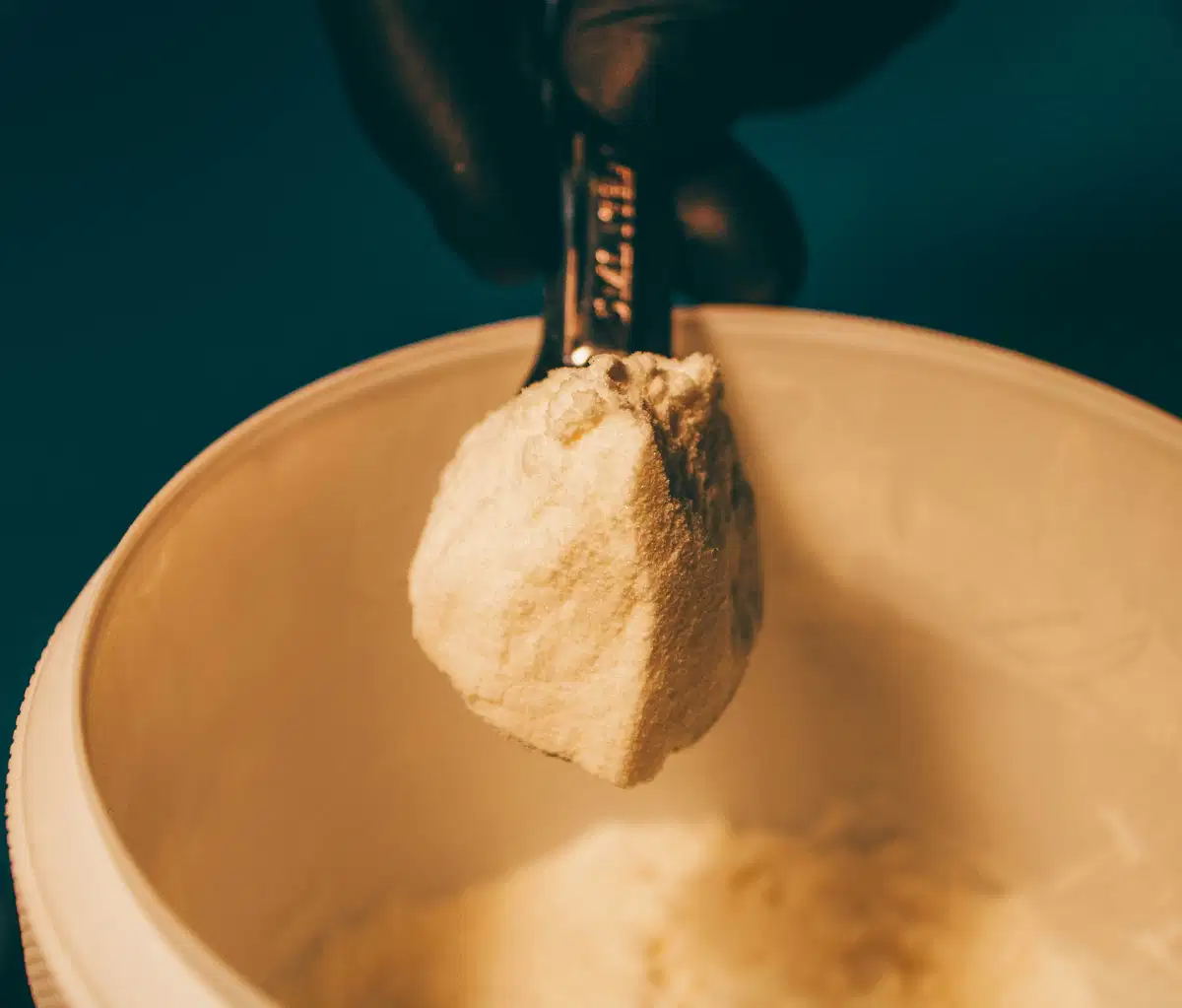
Wheat gluten plays an important role in food manufacturing because it provides the elasticity, cohesion and structure that many plant-based ingredients cannot deliver on their own. Food manufacturers use it to improve dough performance in bakery products and develop the texture of plant-based meat alternatives. Its ability to form a connected protein network makes it valuable for products that require strength, flexibility and moisture retention.
For procurement teams, wheat gluten offers opportunities across commercial baking, prepared foods and alternative protein manufacturing. However, the right ingredient grade depends on the intended application, protein quality, hydration behaviour, processing conditions and required product characteristics.
What Is Wheat Gluten?
Wheat gluten is a protein complex naturally present in wheat. Manufacturers commonly produce commercial wheat gluten by separating protein from wheat flour during starch processing, then drying the recovered material into a powder.
Commercial vital wheat gluten retains the ability to develop functional properties when manufacturers hydrate and mix it. This makes it useful for strengthening flour, improving dough structure and contributing to the texture of formulated foods.
Two major protein groups, gliadins and glutenins, contribute different characteristics. Gliadins generally support viscosity and extensibility, while glutenins contribute elasticity and strength. Their interaction creates a network that can retain gas, withstand mechanical handling and influence the texture of finished products.
Wheat gluten is available in commercial grades with different protein contents and functional characteristics. Buyers should therefore review technical specifications rather than assuming every product will perform equally well in baking or plant-based meat formulations.
Key Functional Properties of Wheat Gluten
Wheat gluten's commercial value comes from the way it responds to hydration, mixing, heating and other processing conditions. These interactions help food manufacturers control structure and texture across different product categories.
1. Elasticity and Extensibility
Elasticity describes a dough's ability to recover after deformation, while extensibility describes how far it can stretch before breaking. Wheat gluten helps balance these properties, allowing dough to expand during proofing and maintain its structure during baking.
This balance is particularly important in bread and other products that require a strong, flexible dough. Manufacturers can use vital wheat gluten to strengthen flour with insufficient protein functionality, although the ideal addition level depends on the flour and the product specification.
2. Gas Retention and Dough Strength
Yeast fermentation produces carbon dioxide, which expands within a developing dough. The gluten network helps retain this gas, supporting dough expansion and contributing to bread volume and crumb structure.
A weak network may allow gas to escape, producing a dense loaf or inconsistent texture. Excessive strength can also create processing difficulties if the dough becomes too resistant to expansion.
Manufacturers should assess gluten performance alongside flour quality, hydration, mixing intensity and fermentation conditions. These factors work together to determine the finished product's volume and internal structure.
3. Water Absorption and Binding
Wheat gluten interacts with water during hydration and can contribute to moisture retention and cohesion. These properties support dough handling and can help bind ingredients in selected prepared foods.
In plant-based meat, binding is particularly important because manufacturers must hold protein, water, fats, flavours and other ingredients together. Wheat gluten can contribute to the structure that helps the product maintain its shape during cooking.
The final result depends on the complete recipe. Water levels, salt, other proteins and thermal processing can change the ingredient's behaviour, making formulation trials essential.
4. Heat-Induced Structure Formation
During cooking or baking, wheat gluten proteins undergo structural changes that help set the product's texture. This process supports bread structure and can contribute to the firmness and cohesion of plant-based meat alternatives.
The degree of structural development depends on temperature, moisture, mixing and the surrounding ingredients. Manufacturers need to balance these conditions to avoid products that become excessively tough, dry or rubbery.
Applications of Wheat Gluten in Bakery Products
Bakery manufacturing remains one of the major commercial uses of vital wheat gluten. Its functionality helps producers improve flour performance, maintain dough consistency and achieve the texture required for different baked goods.
Bread and Bread Rolls
Bread production requires dough that stretches as fermentation gases expand while maintaining enough strength to support the loaf. Vital wheat gluten can strengthen weaker flour and help manufacturers achieve more consistent dough handling, loaf volume and crumb structure.
Commercial bakeries may consider it when flour quality varies between batches or when a formulation includes ingredients that weaken the gluten network. Wholegrain flour, added fibre and some alternative grains can change water absorption and dough behaviour.
However, adding more gluten does not automatically improve every loaf. Excessive addition may create a firm or chewy texture, so manufacturers should establish suitable inclusion levels through controlled trials.

Meat Analogues and Seitan Products
Seitan is a food made primarily from hydrated wheat gluten. Its chewy, meat-like texture makes it a familiar example of how wheat protein can form a substantial food structure without animal-derived protein.
Manufacturers can develop seitan-based products in different shapes, textures and flavour profiles. Seasonings, fats, starches and other plant proteins can help adjust the final product for use in strips, chunks, slices and prepared meals.
Commercial production requires control over hydration, mixing and cooking. These factors influence firmness, moisture retention and the consistency of each batch.
Burgers, Nuggets and Formed Products
Wheat gluten can act as a binding and texturising ingredient in selected plant-based burgers, nuggets and other formed foods. It helps hold the formulation together and may improve shape retention during handling and cooking.
However, a strong gluten network alone does not recreate every characteristic of animal muscle. Manufacturers may need to combine wheat gluten with soy, pea or other plant proteins, along with fats, fibres and flavour systems.
Product developers should evaluate bite, juiciness, cooking loss, colour and sensory acceptance. They should also check whether the texture remains consistent after freezing, thawing, reheating or other expected distribution and preparation steps.
Fibrous Plant-Based Protein Structures
Some plant-based meat products require visible fibres or layered structures rather than a uniform, dough-like texture. Wheat gluten can contribute elasticity and cohesion within these systems, but the final structure depends on formulation and processing.
Extrusion, heating, cooling and mechanical treatment can influence how protein networks develop. Manufacturers may need to adjust moisture, temperature, shear and ingredient ratios to achieve the desired structure.
Combining wheat gluten with other plant proteins can help developers balance firmness, elasticity and nutritional targets. The best blend depends on the product's intended eating experience and production process.
Wheat Gluten in Bakery and Plant-Based Meat Production]
Suggested image: Vital wheat gluten powder beside freshly baked bread and a fibrous plant-based meat patty in a modern food manufacturing setting. Use realistic ingredient textures, professional lighting and no text or logos.
Processing Challenges and Formulation Considerations
Although wheat gluten offers useful functionality, its performance can vary with ingredient quality and processing conditions. Hydration, mixing, temperature, pH and salt concentration can influence the protein network and the final food texture.
In baking, inconsistent gluten performance may affect dough strength, proofing tolerance, loaf volume and crumb quality. In plant-based meat, it may influence binding, chewiness, moisture retention and cooking stability.
Manufacturers should assess several factors before approving a commercial grade:
Protein content: Confirm the declared protein level and analytical method.
Functional performance: Request relevant data on dough strength, water absorption or texturising behaviour.
Hydration requirements: Evaluate how quickly the powder absorbs water and develops structure.
Processing compatibility: Test the ingredient under actual mixing, baking, extrusion or cooking conditions.
Sensory characteristics: Assess flavour, odour, colour and texture in the finished food.
Batch consistency: Compare samples and certificates of analysis across production lots.
Food safety and documentation: Verify food-grade specifications, traceability, microbiological requirements and destination-market compliance.
Wheat gluten is not suitable for every consumer or product category. It contains gluten and is inappropriate for people who must avoid gluten because of coeliac disease or other medically diagnosed gluten-related conditions. Manufacturers must account for this in product design, allergen management and labelling.
Sourcing and Quality Considerations for Buyers
Food ingredient procurement teams should evaluate wheat gluten based on the technical requirements of the finished product rather than protein percentage or price alone. A grade that works well in bread may not deliver the required structure in a plant-based meat formulation.
A practical sourcing process should include the following steps:
Define the application. Identify the product type, desired texture, processing method and target performance.
Request supplier specifications. Review protein content, moisture, microbiological parameters, storage conditions and shelf life.
Test representative samples. Use the same recipe and processing conditions to compare candidate suppliers.
Assess the total formulation cost. Consider dosage, yield, production efficiency and any changes needed to supporting ingredients.
Confirm allergen and regulatory documentation. Check declarations, traceability and labelling requirements for each destination market.
Review supply reliability. Discuss order quantities, packaging, lead times, batch consistency and procedures for handling specification changes.
Supplier technical support can be valuable when manufacturers need to troubleshoot dough performance or optimise a plant-based protein blend. Buyers should also establish clear acceptance criteria before commercial orders begin.
Sustainability and Market Opportunities
Wheat gluten is commonly recovered during wheat starch processing, creating a commercial use for the protein fraction separated from flour. Its use in food manufacturing can support the broader utilisation of wheat-based raw materials.
The environmental impact depends on the complete production chain, including raw material sourcing, processing energy, water use, drying, packaging and transportation. Buyers seeking sustainability benefits should request substantiated information from suppliers rather than relying on general claims about plant-based ingredients.
Demand from bakery manufacturers and alternative protein developers creates opportunities for suppliers that can deliver consistent quality and application-specific support. Yet commercial success depends on balancing functionality, cost, consumer acceptance and food safety requirements.
Wheat gluten will remain relevant where manufacturers need a strong, flexible protein network. Continued formulation development may help expand its use across traditional bakery products and selected plant-based meat applications.
Conclusion: Matching Wheat Gluten to Food Manufacturing Needs
Wheat gluten provides food manufacturers with functional properties that support dough development, gas retention, binding and texture formation. These characteristics make it valuable in bread, rolls, noodles, seitan and selected plant-based meat products.
For procurement managers, selecting the right grade requires careful evaluation of protein quality, processing performance, allergen requirements and supply consistency. Manufacturers that validate ingredient performance through application trials can make more informed sourcing decisions and improve product consistency.
Maltodextrin (E1400) CAS: 9050-36-6