Xanthan Gum and Guar Gum: Oil Drilling Recovery Competes With Food Industry for Supply
Introduction
Xanthan gum and guar gum are two of the most important natural hydrocolloids used globally as thickening, stabilizing, and viscosifying agents. They play a critical role in both food systems and industrial applications, especially oilfield drilling fluids.
In 2026, these two ingredients are experiencing a rare dual-demand squeeze. On one side, the food industry continues to expand usage in gluten-free, plant-based, and functional foods. On the other, the oil and gas sector is increasing consumption in drilling and hydraulic fracturing operations amid a broader energy security reassessment following geopolitical disruptions and supply chain volatility.
This creates a competitive supply environment where food-grade and oilfield-grade demand are increasingly intersecting.
What Are Xanthan Gum and Guar Gum?
Xanthan Gum
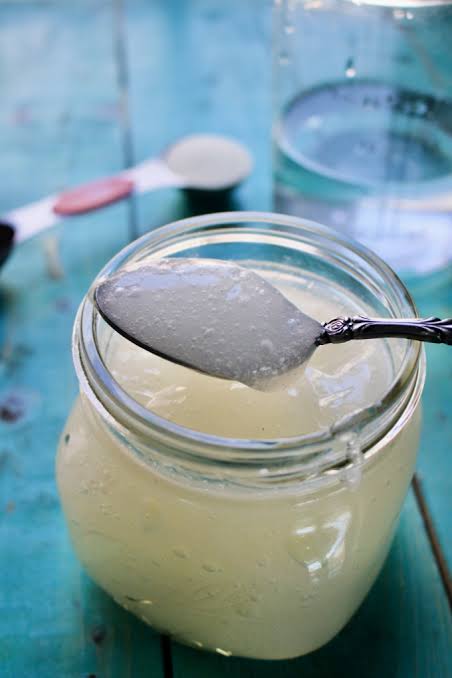
Xanthan gum is a polysaccharide produced through fermentation of carbohydrates using Xanthomonas campestris bacteria.
Key properties:
High viscosity at low concentrations
Stable across temperature and pH ranges
Excellent suspension and emulsification properties
Non-animal, fermentation-based origin
Main applications:
Food thickening and stabilization
Gluten-free baking
Sauces and dressings
Oilfield drilling fluids (key viscosifier)
Guar Gum
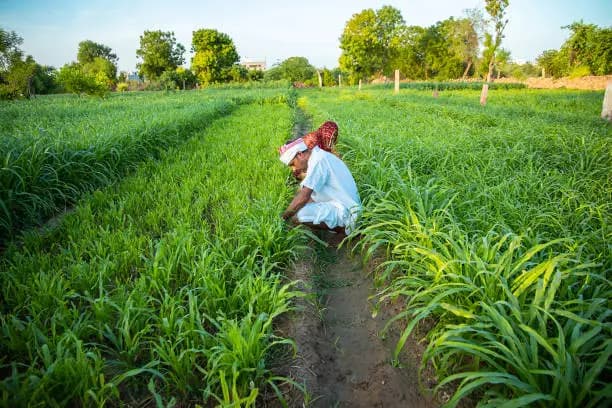
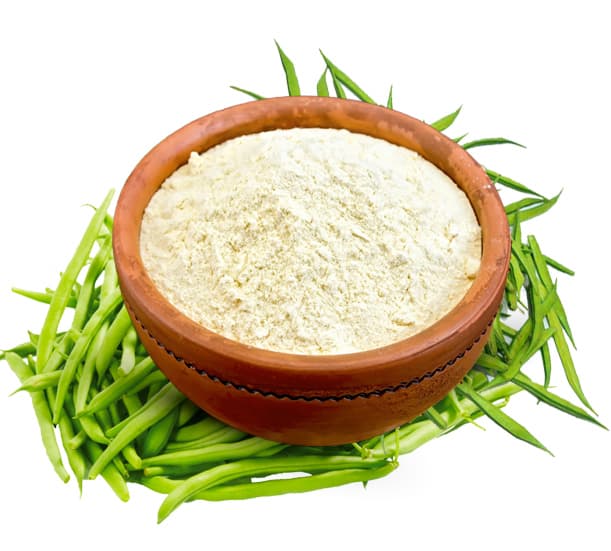
Guar gum is a natural galactomannan extracted from guar beans (Cyamopsis tetragonoloba), primarily grown in India.
Key properties:
Extremely high viscosity
Strong water-binding capacity
Cost-effective natural thickener
Main applications:
Food processing
Dairy and bakery products
Hydraulic fracturing fluids
Industrial emulsification systems
Guar Gum (E412) CAS: 9000-30-0
Xanthan Gum (E415) CAS: 11138-66-2
Food Industry Demand: Steady Structural Growth
The food sector remains a stable and expanding consumer of both gums.
Key demand drivers:
Growth of gluten-free food products
Expansion of plant-based alternatives
Increased use of clean-label stabilizers
Rising consumption of processed and convenience foods
Applications:
Sauces and dressings
Dairy products (yogurt, ice cream)
Bakery formulations
Meat substitutes and vegan foods
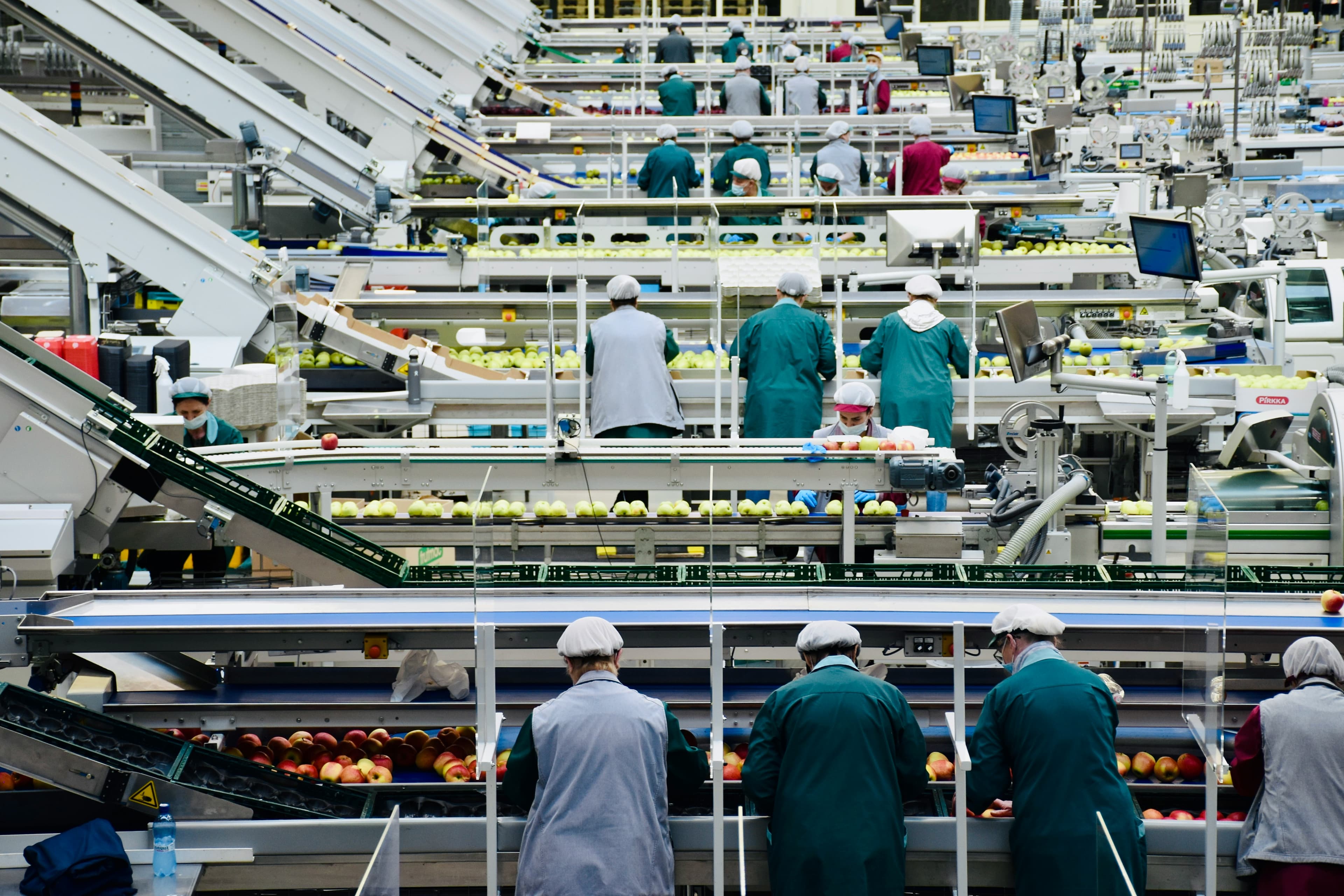
Food manufacturers rely on consistent viscosity and texture control, making both gums essential formulation ingredients.
Oil and Gas Industry Demand: Strong Resurgence in 2026
A major shift in 2026 is the renewed demand from the oilfield sector.
Applications in oil & gas:
Hydraulic fracturing fluids
Drilling muds
Well stimulation fluids
Fluid loss control agents
Why demand is increasing:
Recovery in global drilling activity
Post-geopolitical reassessment of energy security
Increased investment in upstream exploration
Greater reliance on advanced viscosifiers for shale and deep drilling operations
Oilfield applications typically consume large volumes per operation, making this demand segment highly impactful on overall supply.
Guar Gum Supply: India’s Critical Role
India, particularly Rajasthan, dominates global guar gum production.
Key characteristics:
Dependent on monsoon rainfall patterns
Highly sensitive to weather variability
Fragmented agricultural supply chain
Strong export orientation for oilfield-grade guar gum
2026 supply challenge:
Weather variability has made guar supply more uncertain, leading to:
Fluctuating raw guar seed availability
Price volatility in processing hubs
Increased competition between food and oilfield buyers
Oilfield demand often outbids food applications due to higher specification tolerance for cost spikes.
Xanthan Gum Supply: China’s Fermentation Dominance
Xanthan gum production is heavily concentrated in China.
Key strengths:
Large-scale fermentation infrastructure
Cost-efficient production systems
Established export networks
Integration with other bio-based chemical industries
2026 dynamics:
Stable production capacity
Moderate logistics cost increases
Strong export demand from food and oil sectors
Price sensitivity in emerging markets
China remains the primary global supplier, giving it strong influence over global pricing.
The Core Market Tension: Food vs Oilfield Demand
The most important dynamic in 2026 is competition between two structurally different demand pools:
Food Industry:
High specification consistency required
Lower tolerance for substitution
Stable but growing demand
Strong focus on clean-label positioning
Oilfield Industry:
Large-volume consumption per project
Less sensitive to ingredient perception
Highly cyclical demand linked to drilling activity
Willing to pay premiums during tight supply periods
Result:
Oilfield demand often creates sudden supply tightening events, even when food demand remains stable.
Price and Allocation Dynamics
Key pricing influences:
Weather conditions in India (guar supply)
Chinese fermentation capacity utilization (xanthan gum)
Oil drilling activity cycles
Freight and logistics costs
Contract allocation between industrial sectors
Market behavior in 2026:
Periodic shortages of oilfield-grade guar gum
More stable but firm pricing for xanthan gum
Increased competition for high-viscosity grades
Regional price divergence between food and industrial markets

Specification Differences Matter More Than Ever
One of the most important procurement challenges is grade differentiation.
Food-grade requirements:
High purity
Consistent viscosity
Strict regulatory compliance
Clean-label positioning (in some markets)
Oilfield-grade requirements:
High viscosity under pressure and salinity
Thermal stability
Performance consistency in harsh conditions
Less focus on food safety certification
Misalignment between grade and application can significantly impact cost and availability.
Regional Market Dynamics
India:
Dominant guar gum supplier
Highly weather-sensitive production
Strong influence on global oilfield supply chains
China:
Dominant xanthan gum producer
Export-oriented fermentation industry
Price setter for global xanthan supply
Middle East & US:
Major oilfield demand centers
Strong influence on short-term supply shocks
High willingness to pay during drilling cycles
Europe:
Strong food-grade demand
Limited domestic production
Reliance on imports from Asia
Market Outlook
The xanthan gum and guar gum markets in 2026 are defined by overlapping but fundamentally different demand cycles. Food industry consumption provides a stable baseline, while oil and gas drilling activity introduces volatility and sudden demand spikes.
Guar gum remains the most supply-sensitive due to its agricultural dependency on Indian weather conditions, while xanthan gum offers more stable industrial fermentation-based supply but is still exposed to logistics and energy cost pressures.
As oilfield activity continues to recover and food manufacturing expands globally, competition for high-viscosity hydrocolloids is expected to remain strong through the remainder of 2026.
Key Takeaways
Xanthan gum and guar gum serve both food and oilfield industries.
Oil and gas drilling recovery is increasing industrial demand in 2026.
Guar gum supply is highly dependent on Indian weather conditions.
Xanthan gum production is dominated by China’s fermentation industry.
Food demand is stable, but oilfield demand creates volatility.
Competition between sectors can tighten supply and increase prices.
Specification differences between food-grade and oilfield-grade are critical.
Procurement strategies increasingly require dual-market awareness.