相关洞察
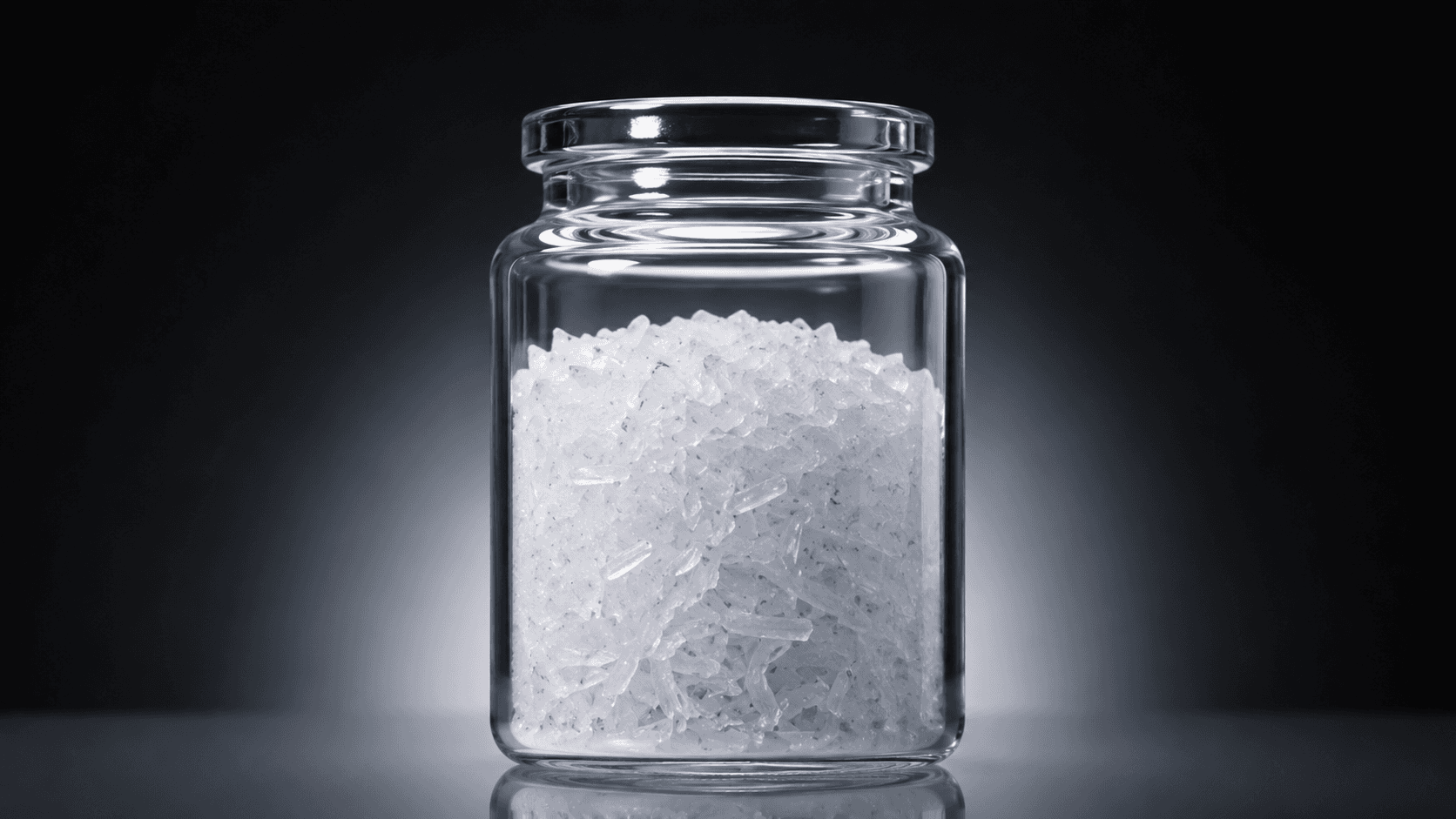
Fertilizer and Food Chain Risk Resurfaces as the Hormuz Agreement Collapses
The collapse of the interim reopening agreement in the Strait of Hormuz has reignited fears over fertilizer supply chains, pushing ammonia, urea میر and phosphate shipments into a state of uncertainty. The resulting ripple effects threaten to raise food ingredient costs_ph and alter global procurement strategies. Agriculture, food manufacturers and retailers must brace for a new era of volatility.
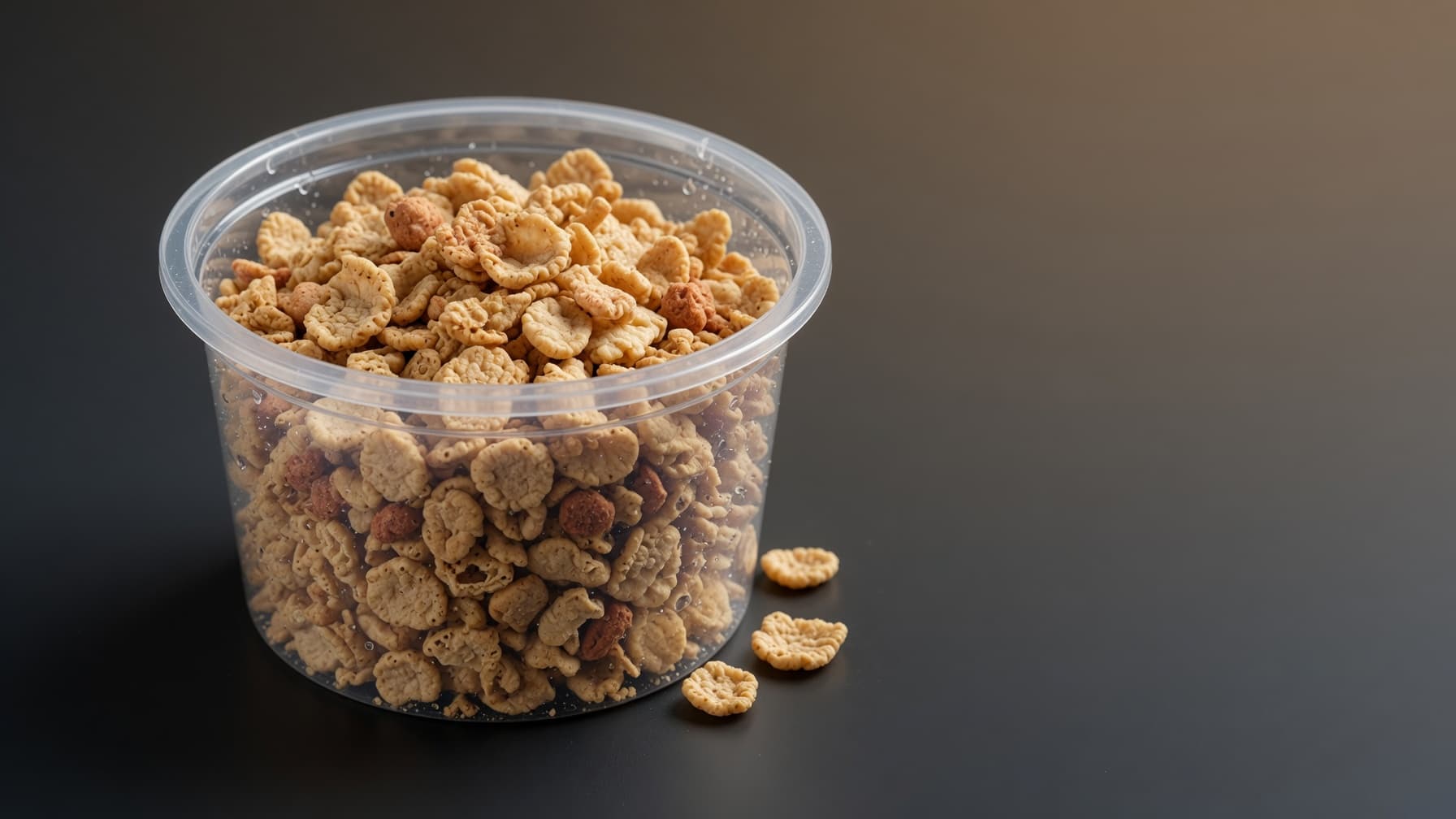
植物基蛋白:为什么可追溯性是原料采购的新竞争优势
随着对纹理大豆蛋白和其他植物基成分需求的增长,可追溯性已成为监管合规和供应链信心的关键要求。采购团队应加强成分透明度,以保护产品质量和市场准入。
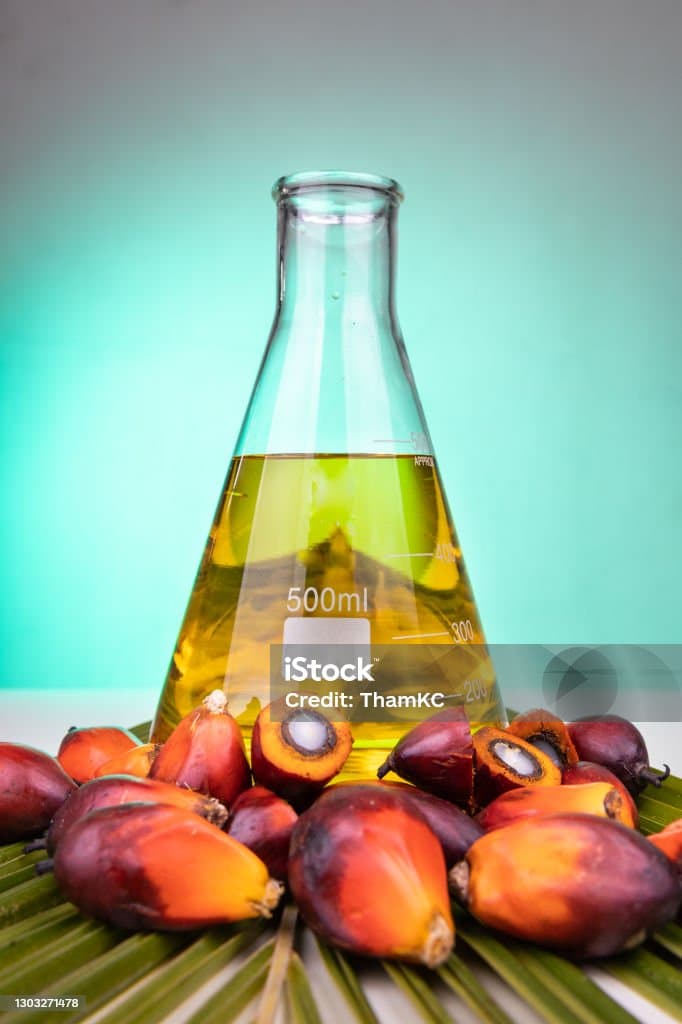
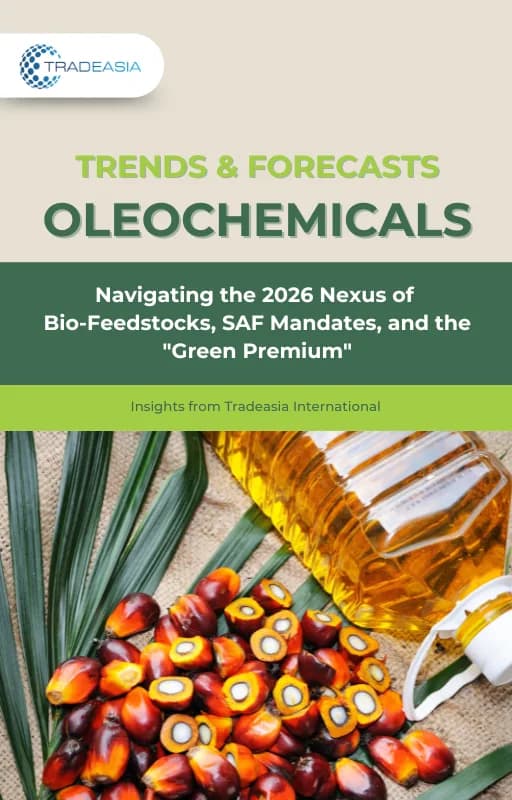
Palm Oleochemicals and the EUDR: How the Deforestation Regulation Reshapes Sourcing Options
The EU Deforestation Regulation is changing how palm-derived food ingredients are sourced and documented. Procurement professionals supplying the European market must understand the ingredient-level documentation requirements and supplier audit expectations to maintain compliant supply chains.
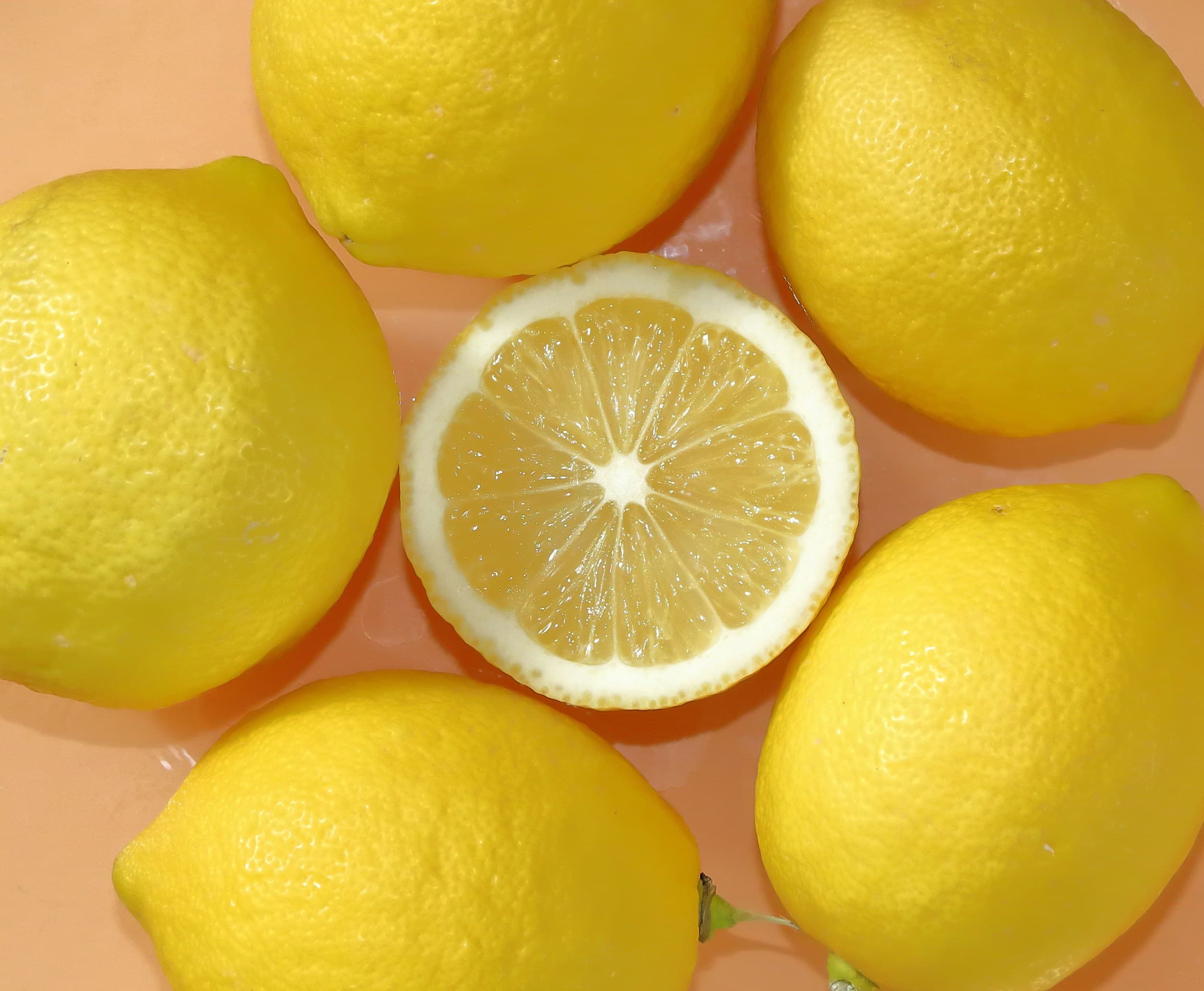
Citric Acid: The Fermentation Economics Behind the World's Most Used Acidulant
Citric acid is produced almost entirely through microbial fermentation rather than petrochemical synthesis. Understanding how glucose feedstocks, fermentation costs and energy prices influence production helps procurement teams better anticipate market movements and sourcing risks
浏览全球食品添加剂法规:关键规则和采购风险
食品级化学品受食品法管辖,而不是行业标准。从欧盟的欧洲食品安全局评估和电子编号,到美国食品药品管理局的GRAS体系、中国的GB 2760清单和印度的FSSAI批准,了解每种制度对于安全采购和市场进入至关重要。
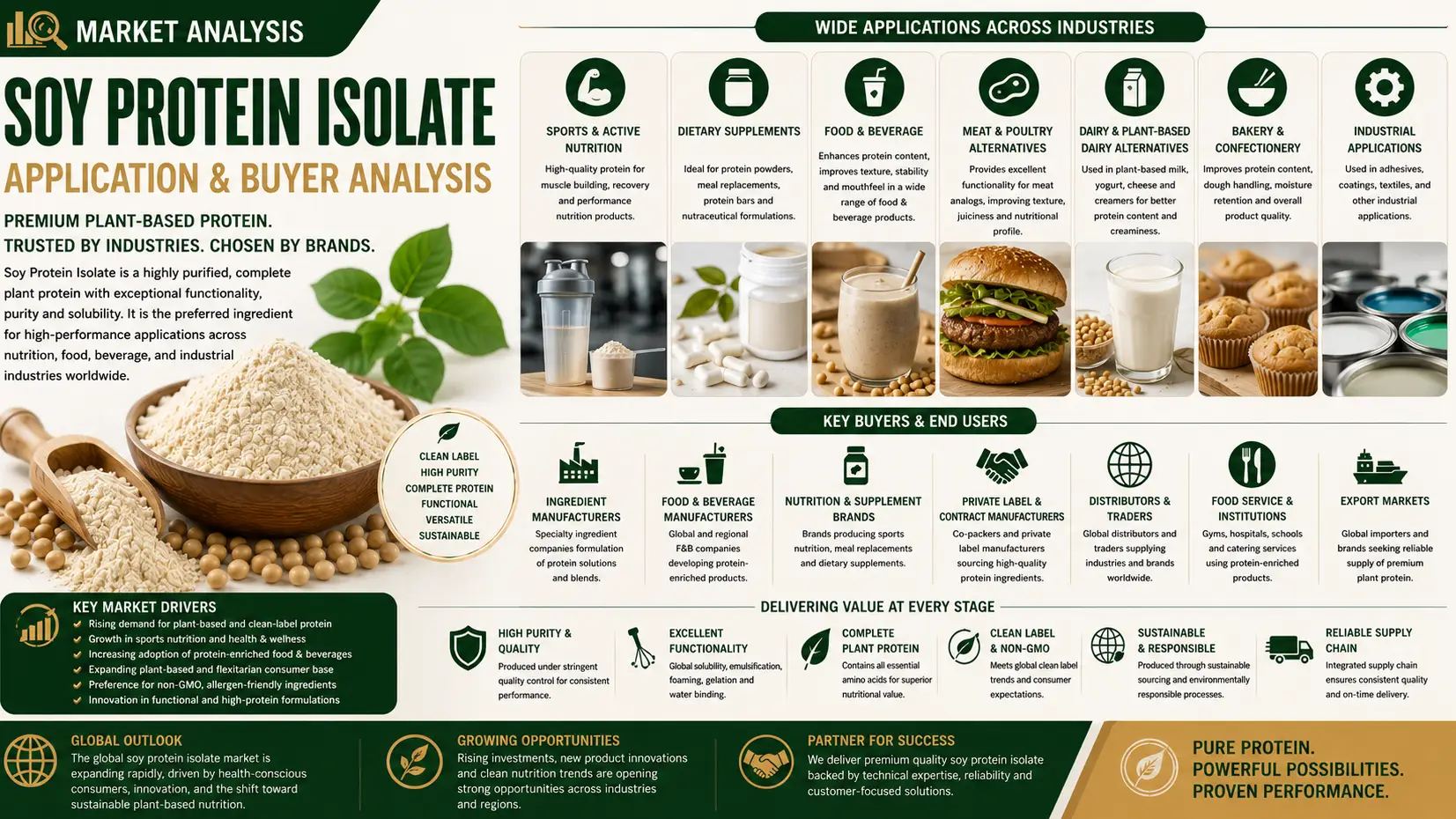
大豆分离蛋白供应链趋势重塑全球食品制造
探索 2026 年大豆分离蛋白供应链、定价趋势、生产变化和全球采购动态。
不要错过我们的更新!立即订阅我们的新闻通讯
我们重视您的隐私。Tradeasia 会使用您提供的信息,就相关内容、产品和服务与您联系。更多信息请查看我们的隐私政策。