Acesulfame Potassium: Uses in Beverages and Sugar-Free Formulations
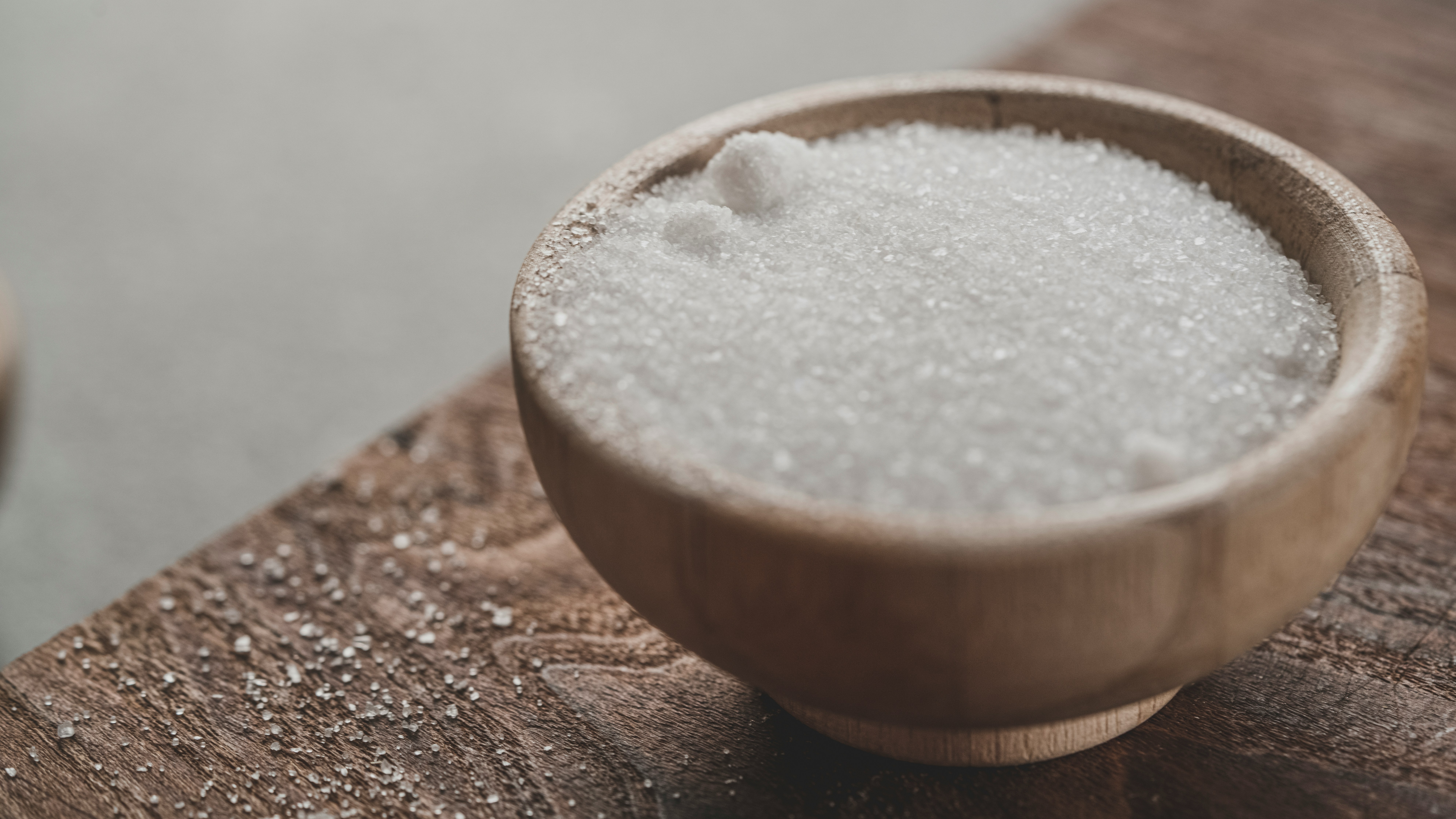
Acesulfame potassium, commonly known as Ace-K or acesulfame K, is a high-intensity sweetener widely used in beverage manufacturing and sugar-free food formulations. Approximately 200 times sweeter than table sugar, it enables manufacturers to achieve the desired sweetness using relatively small quantities. It is often combined with other sweeteners to develop balanced flavour profiles in reduced-sugar products. FDA source
As food and beverage producers continue to develop low-sugar and sugar-free alternatives, Ace-K remains a useful ingredient for applications ranging from soft drinks and flavoured beverages to powdered drink mixes, dairy products and tabletop sweeteners. Its successful use, however, depends on formulation requirements, processing conditions, regulatory limits and the sensory characteristics of the finished product.
What Is Acesulfame Potassium?
Acesulfame potassium is a non-nutritive, high-intensity sweetener identified as E 950 in the European Union and INS 950 in the international Codex food additive system. It provides sweetness without contributing significant energy at typical use levels.
According to the US Food and Drug Administration (FDA), Ace-K is approved for use in food under specified conditions. The agency also identifies it as heat-stable, making it suitable for certain applications involving elevated processing temperatures. Nevertheless, its performance must be evaluated in the context of the complete product formulation.
Why Beverage Manufacturers Use Ace-K
1. High Sweetness Intensity
Ace-K delivers sweetness at relatively low inclusion levels. This allows manufacturers to develop reduced-sugar beverages without relying entirely on conventional sugar.
The required concentration depends on the beverage type, target sweetness, acidity, flavour system and use of other sweeteners. Laboratory trials and sensory evaluation help determine the appropriate formulation.
2. Sugar-Free and Reduced-Sugar Product Development
Sugar reduction is an important consideration for beverage manufacturers responding to changing consumer preferences and market requirements.
Ace-K can help formulate products such as sugar-free soft drinks, flavoured waters and powdered beverage mixes, provided the intended use is permitted in the target market. However, reducing sugar also changes the composition of the product. Sugar contributes solids and can influence mouthfeel, viscosity and overall flavour perception.
Manufacturers may therefore need to adjust other formulation components to maintain product quality.
3. Sweetener Blending
Ace-K is often combined with other high-intensity sweeteners rather than used alone. Blending can help manufacturers balance sweetness onset, lingering sweetness and the overall flavour profile.
For example, combinations of Ace-K and sucralose or aspartame may be evaluated in certain formulations. The suitability of each combination depends on the product, target market, processing conditions and applicable regulations.
Manufacturers should conduct sensory tests before selecting a commercial sweetener blend.
Key Applications of Acesulfame Potassium
Carbonated Soft Drinks
Carbonated soft drinks are an important application for high-intensity sweeteners. Ace-K can be used in permitted reduced-sugar and sugar-free beverage formulations to deliver sweetness without adding the same quantity of sugar used in conventional recipes.
Formulation teams should assess sweetness balance, acidity, flavour interactions and stability over the intended shelf life. Carbonation and flavour ingredients can affect the sensory experience, so the finished beverage should be tested under realistic production and storage conditions.
Flavoured Water and Functional Beverages
Flavoured waters and selected functional beverages may use Ace-K to achieve a sweet taste while limiting added sugar. These formulations often have relatively light flavour profiles, making sweetness quality and aftertaste important factors.
Manufacturers should check the compatibility of the sweetener with acids, vitamins, minerals, flavours and other functional ingredients. The final recipe must also comply with the requirements applicable to the product category and the country where it will be sold.
Energy and Sports Drinks
Certain energy and sports drink formulations use high-intensity sweeteners to help manage sugar content. Ace-K may be considered where its use is permitted and where it meets the product's sensory and technical requirements.
Product developers should evaluate sweetness alongside acidity, electrolyte content, flavour intensity and any other active ingredients. The presence of a high-intensity sweetener does not, by itself, establish that a beverage is nutritionally appropriate or suitable for every consumer group.
Powdered Beverage Mixes
Ace-K can be used in powdered drink mixes that are reconstituted with water before consumption. Its high sweetness intensity makes it suitable for formulations where manufacturers want to limit the amount of sweetening material.
Important technical considerations include uniform blending, ingredient compatibility, moisture control and consistent sweetness in the reconstituted beverage. Manufacturers should also confirm that the sweetener is evenly distributed throughout production batches.
Dairy-Based and Other Flavoured Drinks
In certain permitted dairy-based and other flavoured beverage applications, Ace-K can contribute to reduced-sugar formulations. The final formulation must account for the effects of milk solids, proteins, stabilisers, acidity and flavour ingredients.
Pilot-scale testing can help identify any changes in sweetness perception, mouthfeel or storage stability before full-scale production.
Formulation Considerations for Sugar-Free Products
Using Ace-K requires more than replacing a quantity of sugar with a smaller amount of sweetener. Manufacturers should assess the complete product and the functions performed by each ingredient.
Sweetness and Aftertaste
The perceived sweetness of Ace-K depends on concentration and the surrounding flavour system. A formulation that tastes balanced in a laboratory sample may behave differently when produced at commercial scale.
Sensory testing should examine sweetness intensity, onset, persistence and any undesirable aftertaste. Where necessary, manufacturers can compare alternative concentrations or combinations of permitted sweeteners.
Acidity and Processing Conditions
Acesulfame K is stable under various conditions, but the EFSA's 2025 re-evaluation reported that some degradation occurs at pH values below 3 as temperature increases.
This is particularly relevant when developing acidic beverages that undergo heat treatment. Manufacturers should validate stability under their actual processing conditions, including pH, temperature, processing duration and shelf-life requirements.
See the EFSA scientific assessment of acesulfame K for further details.
Mouthfeel and Body
Sugar contributes more than sweetness. In conventional beverages, it can influence solids content, viscosity and mouthfeel. Ace-K supplies intense sweetness but does not replace sugar's bulk at equivalent use levels.
Depending on the application, manufacturers may need to consider other ingredients or processing adjustments to achieve the desired body and sensory characteristics.
Quality Control and Consistency
Consistent sweetener dosing is important because small changes in the amount of a high-intensity sweetener can noticeably affect the final taste.
Manufacturers should establish suitable weighing, mixing and batch-release procedures. Finished-product testing should confirm that sweetness, flavour and other relevant quality attributes remain within specification.
Regulatory Status and Food Safety
Food additive permissions and maximum use levels differ between jurisdictions and food categories. Manufacturers should confirm the applicable requirements before incorporating Ace-K into a new formulation or exporting a finished product.
United States
The FDA regulates acesulfame potassium as a food additive and permits its use under specified conditions. The relevant US regulation is 21 CFR § 172.800.
Manufacturers should check the regulation for applicable conditions of use and verify ingredient declarations and other labelling requirements for their products.
European Union
In the European Union, acesulfame potassium is designated E 950. In its re-evaluation published in April 2025, the European Food Safety Authority (EFSA) established an acceptable daily intake (ADI) of 15 mg per kilogram of body weight per day, replacing the earlier ADI of 9 mg/kg body weight per day.
EFSA concluded that estimated dietary exposure was generally below the revised ADI across the population groups assessed. The assessment also identified matters for consideration in the ingredient's specifications, including potential impurities.
These findings concern the safety assessment and do not mean that Ace-K can be used at any concentration in every food. Manufacturers must still follow the EU's applicable authorised uses and maximum permitted levels.
Source: EFSA — Re-evaluation of acesulfame K (E 950)
International Standards
The Codex Alimentarius General Standard for Food Additives provides provisions for acesulfame potassium across specified food categories. These provisions can help inform international food trade, but they should not be treated as a substitute for checking the legislation of the importing country.
Reference: FAO Codex GSFA — Acesulfame Potassium (INS 950)
How to Source Food-Grade Acesulfame Potassium
For beverage manufacturers, selecting a reliable supplier is essential for maintaining product quality, regulatory compliance and continuity of production.
Before placing an order, procurement and quality teams should review the following:
Certificate of Analysis (CoA): Confirm that the supplied batch meets the agreed specification.
Purity and impurity specifications: Review applicable quality criteria and relevant regulatory requirements.
Food-grade documentation: Request supporting documentation appropriate to the intended application and market.
Traceability: Check batch identification and the supplier's procedures for handling quality concerns.
Storage and handling: Confirm recommended storage conditions, packaging integrity and shelf-life information.
Supply reliability: Assess lead times, minimum order quantities, available inventory and delivery arrangements.
Technical support: Determine whether the supplier can answer questions about formulation, compatibility and permitted uses.
Buyers should also confirm that the supplied ingredient's specification matches the requirements of their manufacturing process and target market.
Market Outlook for Acesulfame Potassium
The development of reduced-sugar beverages and sugar-free formulations continues to create opportunities for high-intensity sweeteners such as Ace-K. Its high sweetness intensity, use in sweetener blends and established applications make it a relevant ingredient for beverage developers.
However, successful product development depends on balancing sweetness, flavour, processing stability, cost and regulatory compliance. Manufacturers should not assume that one sweetener system will perform identically across carbonated drinks, powdered mixes, dairy beverages and other product categories.
A structured approach—combining formulation trials, sensory evaluation, supplier qualification and market-specific regulatory checks—can help manufacturers use acesulfame potassium effectively in commercial products.
Sources:
https://www.fda.gov/food/food-additives-petitions/aspartame-and-other-sweeteners-food?
Acesulfame Potassium (E950) CAS: 55589-62-3