What Is Maltitol
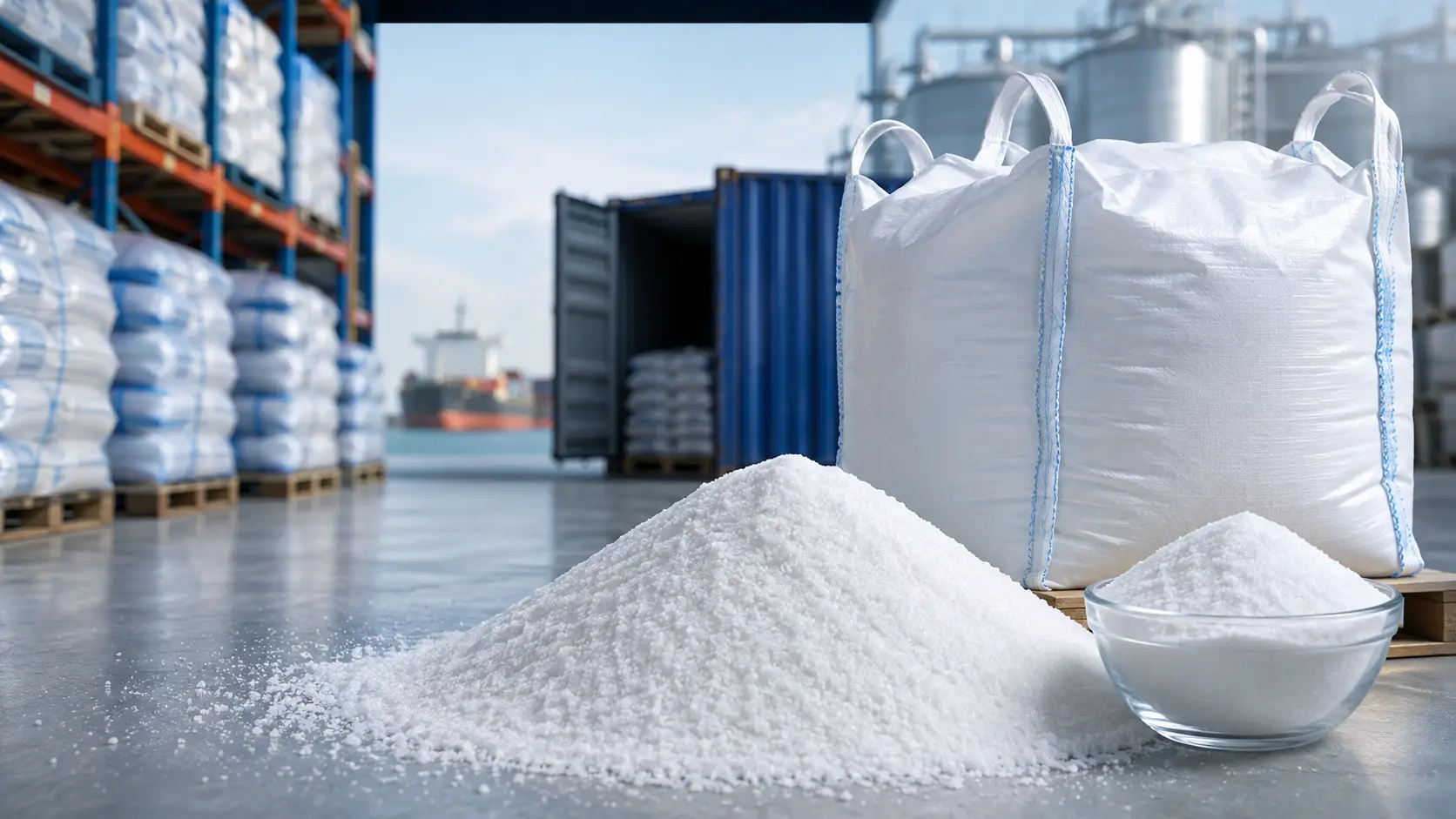
Maltitol is a sugar alcohol (polyol) known for its sweetness similar to sugar but with almost half the calories. Chemically known as 4-O-α-glucopyranosyl-D-sorbitol, maltitol is used as a sugar substitute that does not promote tooth decay and has a milder effect on blood glucose levels than sucrose. It is commercially available under several trade names including Lesys, Maltisweet, and SweetPearl.
Production and Composition
Maltitol is produced by the hydrogenation of maltose derived from starch, usually corn or wheat. Maltitol syrup, a related product, contains 50-80% maltitol with other polyols like sorbitol. The syrup's varying composition affects its viscosity and anticrystallizing properties, making it adaptable for different food applications.
Sweetness and Caloric Value
Maltitol provides 75-90% of the sweetness of table sugar but with about 2.4 kcal/g compared to sugar’s 4 kcal/g. This makes maltitol an excellent ingredient for calorie reduction in food products while sustaining sweetness similar to sucrose.
Applications in Food Industry
Thanks to its sugar-like taste, stability, and lower caloric content, maltitol is widely used in:
-
Sugar-free candy and chewing gum coatings for optimal crunch and taste.
-
Chocolate, cakes, and biscuits to replicate sugar sweetness while reducing sugar content.
-
Ice cream and jams as a sugar replacement that maintains texture.
-
Hard candies, gummies, and chewy sweets for better stability and sweetness.
-
Dental care products such as sugar-free gums and toothpaste due to its non-cariogenic property.
Applications in Pharmaceutical Industry
Maltitol serves as a sugar-free excipient in pharmaceuticals, used in syrups, tablets, capsules, and sachets. Its chemical stability, sweetness, and non-hygroscopic nature make it an ideal sugar substitute in medicines, especially for diabetic-friendly formulations.
Benefits of Maltitol
-
Lower calorie content aids in weight management.
-
Reduced glycemic and insulinemic responses (glycemic index of about 29).
-
Non-cariogenic, promoting better dental health.
-
Less impact on blood sugar, making it suitable for people managing diabetes.
-
Provides sweetness and texture close to sugar, enhancing consumer acceptance.
Safety and Regulatory Status
Maltitol is approved for use in food and pharmaceutical products worldwide and is generally recognized as safe. Products containing maltitol are labeled with E965 or INS number 965. Consumption should be moderated as excessive intake can cause laxative effects, common to all polyols.
References
Maltitol - Wikipedia
European Association of Polyol Producers - Maltitol
Cargill Maltidex® Maltitol Product Details
Maltitol Benefits and Uses - MoleFrank
Maltitol Safety and Uses - LifeMD
Facts About Maltitol - Polyols
Roquette Pharma Maltitol Information