
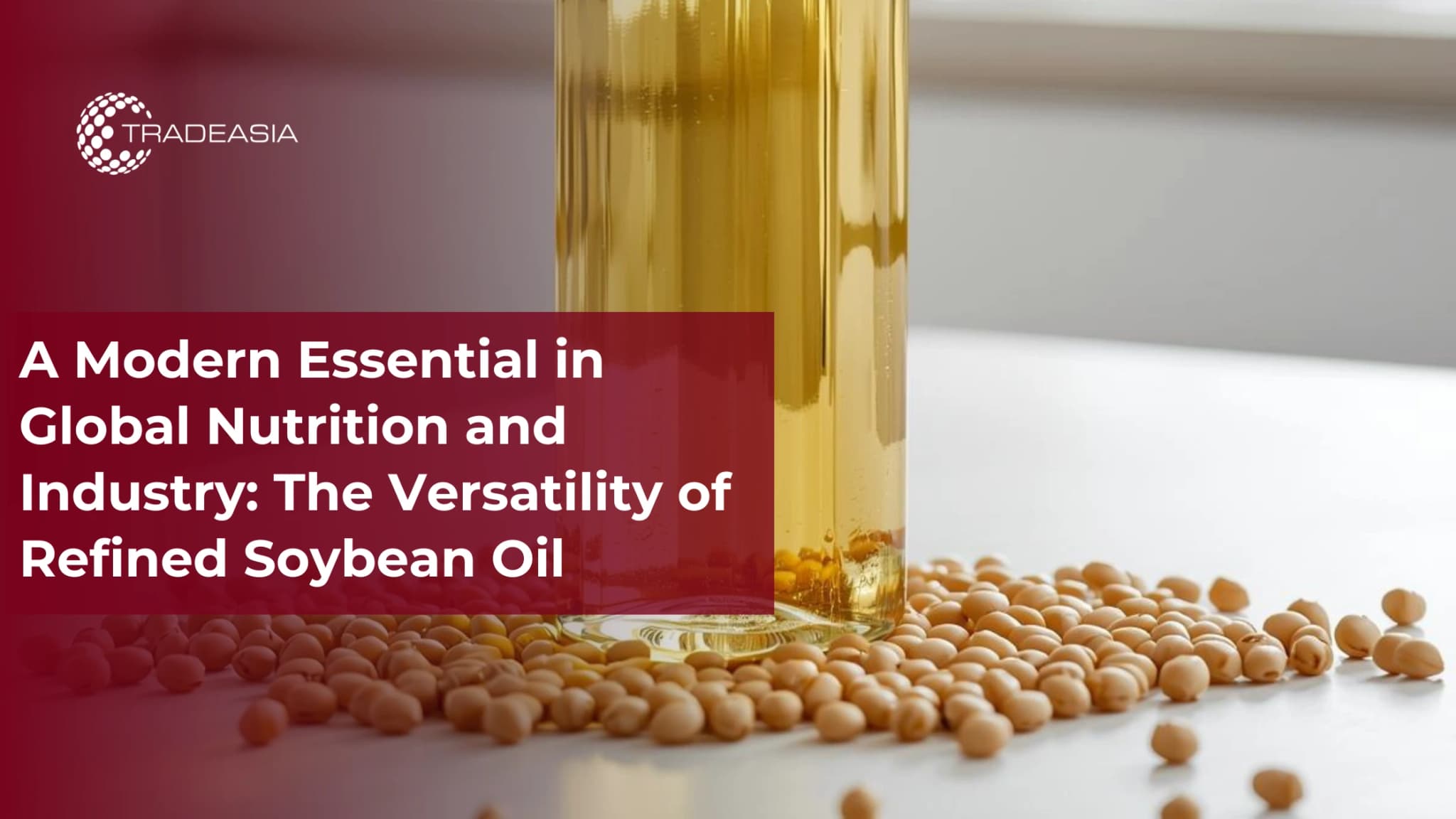
Understanding Refined Soybean Oil: Composition and Production Profile
Refined Soybean Oil is one of the world’s most widely consumed edible oils, derived from high-quality soybeans through a series of extraction, refining, bleaching, and deodorization steps. This refining process removes impurities such as free fatty acids, phospholipids, pigments, and odors—resulting in a neutral, stable, and high-purity oil suitable for both food and industrial applications.
Rich in polyunsaturated fatty acids, including linoleic acid, and containing naturally occurring antioxidants such as vitamin E, refined soybean oil offers a favorable balance of nutrition, functionality, and affordability. Its clean flavor and high smoke point make it a preferred ingredient in commercial kitchens, packaged foods, and large-scale food manufacturing.
Functional Advantages and Key Uses
Food and Culinary Applications: A Foundation for Global Cooking and Manufacturing
Refined soybean oil holds a dominant position in the food sector due to its versatility and health-supportive lipid profile. Its benefits include:
-
High oxidative stability, enabling deep-frying, sautéing, and high-heat cooking
-
Neutral flavor, allowing use across sweet and savory recipes
-
Consistency in texture and mouthfeel, supporting baked goods, snacks, and processed foods
-
Emulsification properties, useful in mayonnaise, dressings, and sauces
-
Natural source of omega-6 fatty acids, contributing to dietary balance
Because it is widely available and cost-efficient, it is a staple oil in commercial food manufacturing around the world.
Industrial, Cosmetic, and Chemical Applications
Beyond the culinary world, refined soybean oil serves as a key raw material in several industrial sectors:
-
Biofuel and biodiesel production, where it contributes to cleaner and renewable energy resources
-
Cosmetic and personal care formulations, offering emollient and moisturizing characteristics
-
Alkyd resins and coatings, used in paints, inks, and adhesives
-
Agricultural chemicals, providing a stable carrier for pesticides and foliar applications
-
Soaps and detergents, where it enhances lather formation and stability
Its biodegradability and relatively low environmental footprint make it a valuable alternative to petroleum-derived ingredients.
Health and Nutritional Considerations
Refined soybean oil is often chosen for its nutritional composition:
-
Contains essential fatty acids the body cannot produce
-
Generally cholesterol-free and low in saturated fats
-
Natural source of tocopherols (vitamin E), acting as antioxidants
-
Approved and widely recognized as safe (GRAS) in global regulatory frameworks
With ongoing shifts toward healthier and plant-based oils, refined soybean oil remains integral in balanced nutrition strategies.
Why Refined Soybean Oil Remains a Global Commodity of Choice
Refined soybean oil continues to maintain strong global demand due to its:
-
Wide availability and cost stability in international markets
-
Compatibility with both food systems and industrial processing
-
Health-supportive fatty acid profile
-
Neutral taste and high heat performance
-
Expanding role in sustainable fuels and bio-based materials
As global populations move toward higher consumption of vegetable-based oils, and industries increasingly seek renewable feedstocks, refined soybean oil stands as a versatile and indispensable commodity for the decades ahead.