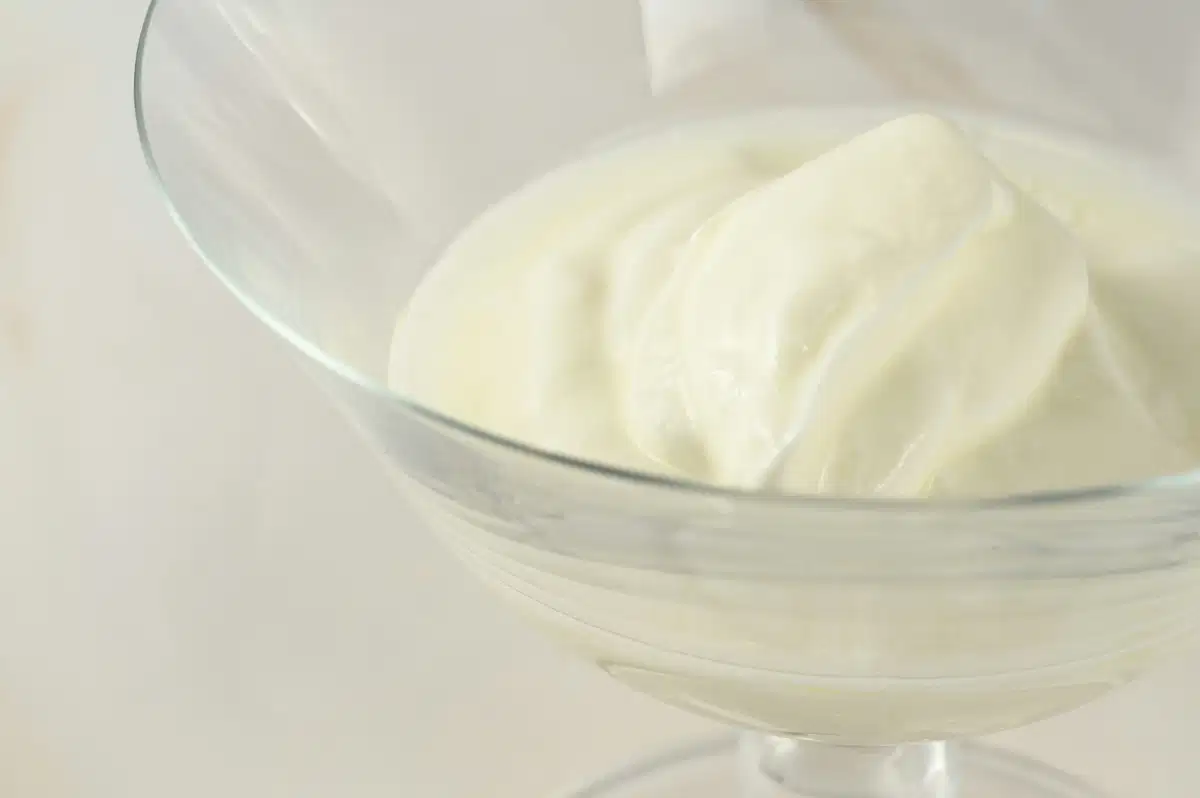
Cream of Tartar: Uses in Baking, Confectionery and Food Formulation
What Is Cream of Tartar?
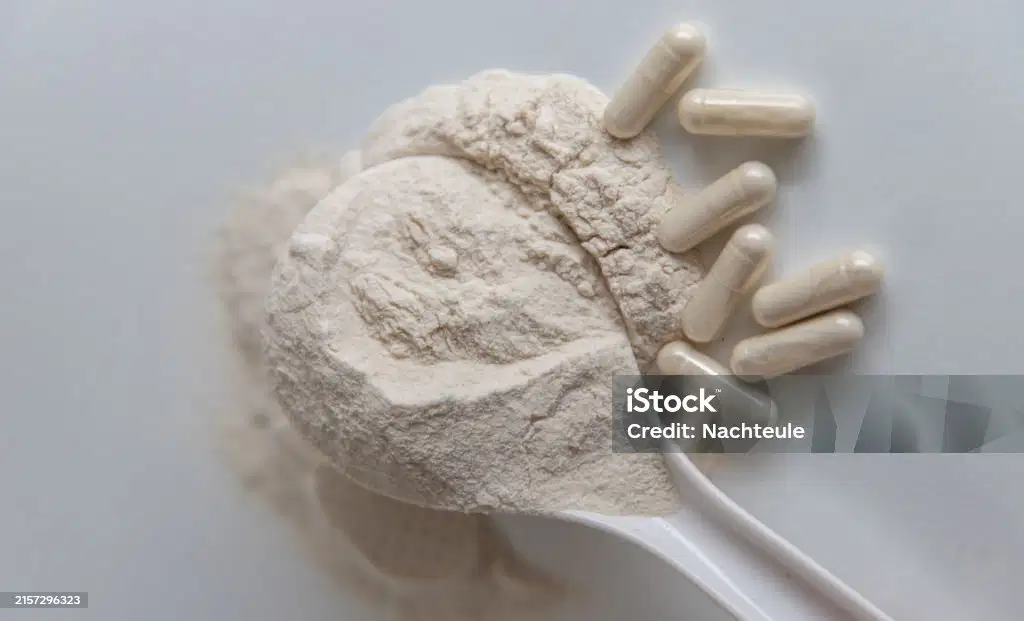
Despite its name, cream of tartar, or potassium bitartrate as it's known scientifically, is actually a dry, white powder. Also known as potassium bitartrate and potassium hydrogen tartrate, with formula KC4H5O6, is potassium acid salt of tartaric acid.
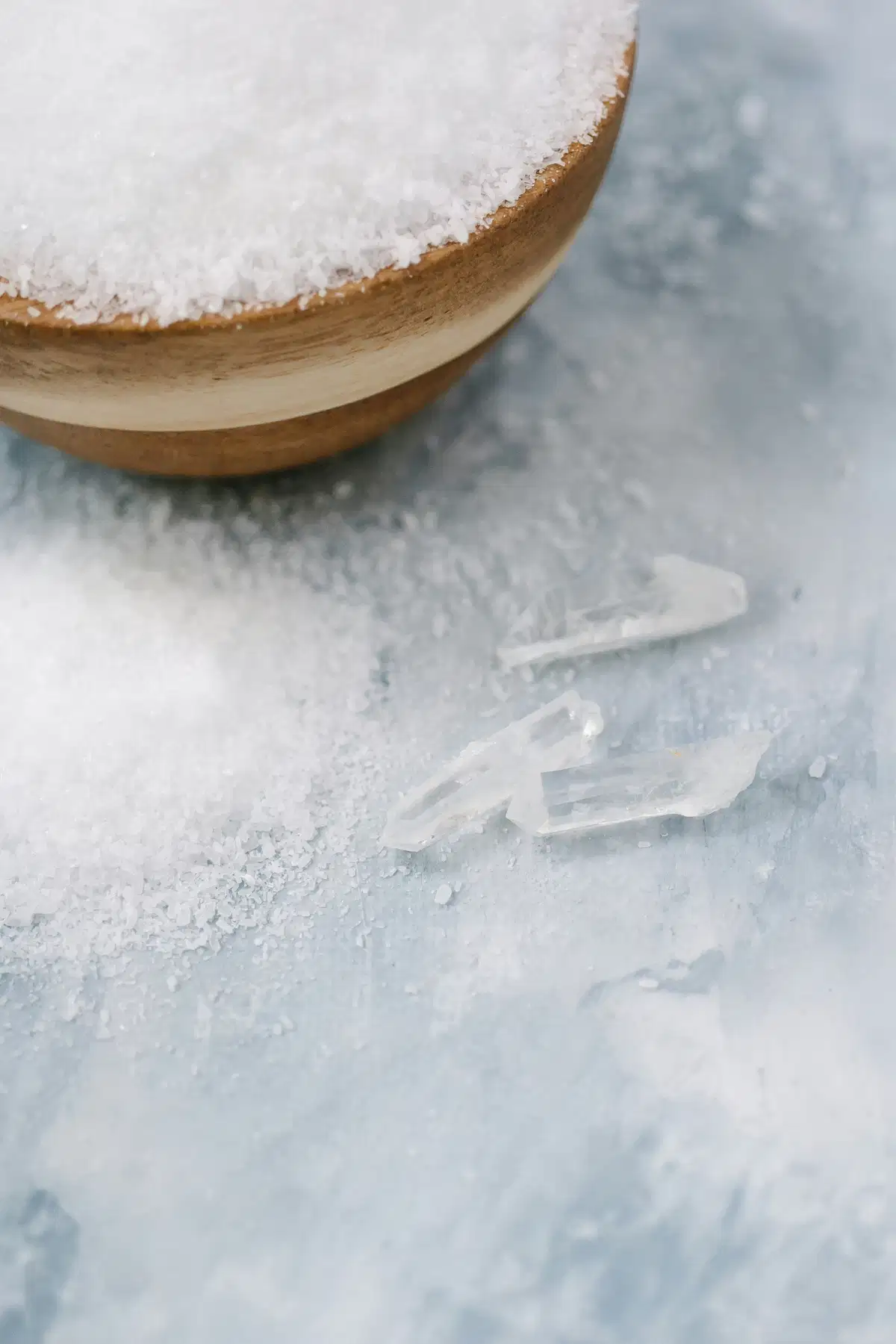
Potassium bitartrate is by-product of fermentation of grape juice or other fruit juices during alcohol-making process. Tartaric acid and potassium naturally occur in grapes, its crude precipitate form tartar or wine stone are byproducts of winemaking found deposited on top of must barrels which can be purified. Crystals known as wine diamonds often form on underside of cork in wine-filled bottles stored below 10°C. Once collected, crystals are purified and ground into powder.
Approved by FDA as direct food substance, cream of tartar is used as additive, stabilizer, pH control agent, antimicrobial agent, processing aid, and thickener. E number E336.
White crystalline powder, odorless, acidic, solubility 0.57 g/100 ml at 20°C, 6.1 g/100 ml at 100°C.
Role in Baking
Egg White Stabilization
In food, potassium bitartrate is used for stabilizing egg whites, increasing their warmth-tolerance and volume. Valued for its role in stabilizing egg whites, which enhances volume and texture of meringues and soufflés.
How it works: Adding cream of tartar to egg whites gives volume to cakes, and makes them more tender. As cream of tartar is added, pH decreases to around isoelectric point of foaming proteins in egg whites. Foaming properties optimal at this pH due to increased protein-protein interactions. Low pH also results in whiter crumb in cakes due to flour pigments that respond to pH changes.
However adding too much cream of tartar (>2.4% weight of egg white) can affect texture and taste. Optimal concentration to increase volume and whiteness of interior crumbs without making cake too tender, is about 1/4 tsp per egg white.
Practical uses:
Meringues and soufflés: Maintain structure even at high oven temperatures
Angel food cakes: Adds volume and stability
Sponge cakes: Whiter crumb, tender texture
Leavening Agent in Baking Powder
Cream of tartar is used as type of acid salt that is crucial in baking powder. Upon dissolving in batter or dough, tartaric acid released reacts with baking soda to form carbon dioxide that is used for leavening. Since cream of tartar is fast-acting, it releases over 70 percent of carbon dioxide gas during mixing.
A similar acid salt, sodium acid pyrophosphate, can be confused with cream of tartar because of common function as component of baking powder. Potassium bitartrate commonly mixed with sodium bicarbonate and sold as baking powder used as leavening agent.
Formulation: Cream of tartar is high quality food grade powder. Also known as potassium bitrate. It can be used in baking to add volume and stability to meringues and soufflés, it will prevent whipped cream from destabilizing and add creaminess to icing. Professional-grade quality – pure potassium bitartrate for consistent results. Leavening power – combines with baking soda for light, airy textures.
Typical ratio for homemade baking powder: 1 part baking soda to 2 parts cream of tartar.
pH Control and Other Baking Functions
Anti-caking and thickening: Helps maintain texture in dry mixes
Stabilizing whipped cream: Maintaining texture and volume, prevents destabilization
Reducing discoloration of boiled vegetables: Acidic properties help preserve color
Salt substitutes: In combination with potassium chloride – used in low-sodium formulations where potassium bitartrate provides tangy flavor
Uses in Confectionery and Sugar Work
Preventing Sugar Crystallization
One of three main purposes: stabilizes egg whites, prevents sugar crystals from forming which is key for smooth frostings and icings and chewy cookies, and acts as leavening agent without need for yeast.
In food, preventing sugar syrups from crystallizing by causing some sucrose to break down into glucose and fructose. As acid, cream of tartar with heat reduces sugar crystallization in invert syrups by helping break down sucrose into its monomer components – fructose and glucose in equal parts. Preventing formation of sugar crystals makes syrup have non-grainy texture, shinier and less prone to break and dry.
Confectionery applications:
Fondants and fudges: Ensures smooth, non-grainy texture – downside of relying on cream of tartar to thin out crystalline sugar confections like fudge is that it can be hard to add right amount of acid to get desired consistency, so precise dosing critical
Hard candies and lollipops: Prevents recrystallization during cooling
Caramels and toffees: Maintains chewiness, prevents graininess
Icings and frostings: Smoothness, creaminess, prevents sugar crusting
Stabilizing Sugar Syrups for Aerated Confections
Marshmallows and nougats: Helps control sugar inversion, stabilizes egg white foam
Meringue-based candies: Enhances volume and prevents weeping
Food Formulation and Industrial Uses
Approved by FDA as direct food substance, cream of tartar is used as additive, stabilizer, pH control agent, antimicrobial agent, processing aid, thickener in various food products. Used as component of baking powders and baking mixes.
Industrial roles:
Acidity regulator in baking powders and confectionery: Serves as acidity regulator – E336(ii) potassium tartrate, E336(i) monopotassium tartrate
Preventing potassium tartrate crystal formation in bottled wine: pH regulator and tartaric stabilizer in production of wines – helps stabilize wine before bottling, removes excess tartar
Antimicrobial aid: Slight pH reduction inhibits some spoilage organisms
Processing aid in cheese making: Helps control texture and pH
Gelling assistance: In jams and jellies made from fresh grape juice – prerequisite fresh grape juice should be chilled overnight to promote crystallization, crystals removed by filtering through two layers of cheesecloth – filtered juice then made into jam – this is natural tartar removal process
Production and Quality Considerations
Potassium bitartrate often produced as by-product of winemaking. Lees (sediment) collected following fermentation process and dissolved in hot water, filtered, cooled. Occasionally excess tartaric acid added to lees to increase saturation. Since solubility highly dependent on temperature, pure salt begins to crystallise out of solution and collected via filtering. Acidification to pH 3.5 with small amounts of hydrochloric acid will precipitate potassium bitartrate.
For ingredient suppliers:
Food grade purity >99.5%, heavy metals low
Mesh size – fine powder for easy dispersion
Storage – dry, cool place – hygroscopic nature low but keep sealed
Labeling – E336, non-GMO, vegan-friendly, gluten-free – Special Ingredients Premium Tartar Cream vegan-friendly non-GMO gluten free – high quality food grade powder
Practical Dosage Guidelines
Egg whites: 1/8 tsp per egg white for meringues, up to 1/4 tsp per white for maximum volume
Whipped cream: 1/4 tsp per cup of cream to stabilize
Baking powder substitute: 1 tsp cream of tartar + 1/2 tsp baking soda = 1.5 tsp baking powder equivalent
Sugar syrups: Pinch (0.1-0.2%) to prevent crystallization – about 1/4 tsp per pound of sugar
Snickerdoodles and cookies: Classic use – 1 tsp per batch gives tang and chewiness
Why Formulators Choose Cream of Tartar Over Other Acids
Natural origin – by-product of winemaking, consumer-friendly label
No salty or soapy residue unlike some phosphates
Fast-acting leavening – over 70% CO2 during mixing, ideal for batters requiring quick rise
Dual function – acidulant plus stabilizer, reduces ingredient list
Clean flavor – acidic but not harsh, complements vanilla and butter notes
Working Source Links:
Potassium bitartrate - Wikipedia – Approved by FDA as direct food substance, additive, stabilizer, pH control agent, thickener – stabilizing egg whites, prevents sugar syrups crystallizing, component of baking powder – https://en.wikipedia.org/wiki/Cream_of_Tartar
Why It's Virtually Impossible To Make Cream Of Tartar At Home – three main purposes: stabilizes egg whites, prevents sugar crystals, leavening agent – https://tastingtable.com
Potassium bitartrate | Cream of tartar | CAS No 868-14-4 – Food & Baking Industry – stabilizer in whipped cream and meringues, leavening agent when combined with baking soda, acidity regulator – https://khonorchem.com