Hydroxypropyl methylcellulose (HPMC) offers food manufacturers a practical way to control texture, improve formulation stability and create functional edible coatings. As processors look for ingredients that support consistent product quality and help protect food surfaces, this cellulose derivative serves several purposes beyond conventional thickening.
HPMC, also known as hypromellose, is a modified cellulose polymer used in food formulations as a thickener, stabilizer, emulsifier and film-forming agent. Its ability to form clear films and develop a heat-responsive gel makes it particularly useful in selected bakery products, processed foods and edible coating systems. For chemical traders and procurement managers, understanding its functional properties helps identify suitable grades and evaluate supplier offers more effectively.
What Is Hydroxypropyl Methylcellulose and How Does It Work?
HPMC comes from cellulose, a naturally occurring structural material in plants. Manufacturers chemically modify cellulose by introducing methyl and hydroxypropyl groups, which change its solubility, viscosity and film-forming behaviour.
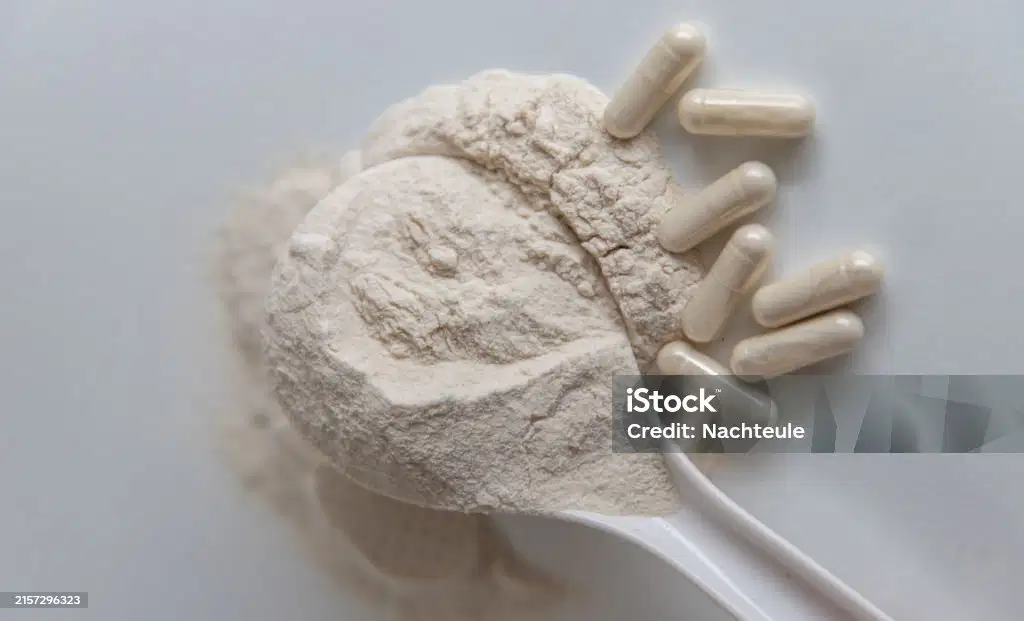
The resulting material typically appears as a white or off-white powder with little to no taste or odour. Depending on its grade, HPMC can dissolve in cold water, increase the viscosity of liquid formulations and form a gel when heated.
These properties allow food manufacturers to use one ingredient for several formulation objectives. Rather than serving only as a thickener, HPMC can help bind ingredients, stabilize mixtures and create a protective layer on a food surface.
The precise performance depends on factors such as molecular weight, substitution pattern, viscosity grade, concentration and processing conditions. Manufacturers therefore need to select a grade that matches the intended application instead of treating all HPMC products as interchangeable.
How HPMC Supports Edible Food Coatings
Edible coatings create a thin layer over food products to help manage surface moisture, gas exchange and physical quality. HPMC works well in these systems because it forms transparent films that can cover food surfaces without significantly changing their appearance.

Processors can apply HPMC-based coatings by dipping or spraying suitable products in a prepared coating solution. Once the coating dries, it forms a thin film that can help reduce quality deterioration under appropriate storage conditions.
Common application areas include:
Fresh fruits and vegetables: HPMC coatings can help maintain surface appearance, reduce moisture loss under suitable conditions and support quality retention during handling and storage.
Nuts and confectionery: Coatings can provide a more uniform surface and help manage interactions between the product and its surrounding environment.
Bakery products: Selected formulations can use HPMC to improve surface properties, support structural integrity and assist with moisture management.
Specialty food coatings: Manufacturers can combine HPMC with other food-compatible ingredients to develop coatings with specific flexibility, barrier or functional characteristics.
HPMC films can provide useful barriers against oxygen and certain oils, but they do not block every form of moisture transfer equally well. Their hydrophilic nature can limit resistance to water vapour, so manufacturers often adjust the formulation to achieve the desired protection.
HPMC in Food Formulation and Texture Control
Beyond coatings, HPMC helps manufacturers manage consistency and stability in complex food systems. Its thickening and water-management properties can support products that require a controlled texture during mixing, processing, heating and storage.
Key formulation uses include:
Thickening: HPMC increases viscosity and helps manufacturers achieve the required consistency in selected liquid and semi-solid foods.
Stabilization: It can help maintain a more uniform structure in suitable formulations and reduce unwanted changes in product consistency.
Emulsion support: HPMC can contribute to the stability of formulations containing ingredients that do not naturally mix well, depending on the complete recipe.
Binding: It helps hold ingredients together in selected processed foods and supports structural consistency.
Thermal gelation: Certain HPMC grades form gels when heated and return towards a liquid state as they cool, which makes temperature-dependent performance important during product development.
In bakery applications, this heat-responsive behaviour can help support structure during baking. HPMC may also help manage water retention and texture in selected products, although the outcome depends on the recipe, dosage and processing conditions.
For product developers, the main advantage is formulation flexibility. They can adjust the HPMC grade and concentration to balance viscosity, processability and final texture without assuming that a single grade will work equally well across all food categories.
What Determines the Performance of HPMC Coatings?
An HPMC coating performs according to the interaction between the polymer, additional ingredients and the food surface. Small changes in formulation can affect film strength, flexibility, transparency and resistance to environmental conditions.
Several factors deserve particular attention during development:
Viscosity grade: Higher or lower viscosity grades change the flow of the coating solution and can influence application thickness and handling.
Concentration: The amount of HPMC affects solution viscosity, film formation and the amount of material deposited on the food.
Plasticizers: Ingredients such as glycerol or sorbitol can improve film flexibility, although they may also change strength and permeability.
Lipids and waxes: Suitable fats or waxes can improve moisture-barrier performance when formulators incorporate them effectively into the coating system.
Antioxidants and preservatives: Compatible additives can provide additional functionality when the application and applicable food regulations permit their use.
Temperature and humidity: Processing temperature and relative humidity influence drying, film structure and final coating performance.

Sourcing Food-Grade HPMC: What Procurement Teams Need to Check
For B2B buyers, choosing HPMC involves more than comparing quoted prices. The correct grade must satisfy the manufacturer's technical requirements and the food-use requirements of the destination market.
Procurement teams should evaluate the following points before placing an order.
1. Food-grade suitability
Confirm that the offered material is intended for the specific food application. Industrial, construction or pharmaceutical grades should not automatically qualify as substitutes for food-grade HPMC.
2. Technical specifications
Request the product specification sheet and review viscosity, moisture content, purity parameters and any other relevant quality limits. Match these values against the manufacturer's formulation requirements.
3. Documentation and traceability
Ask suppliers for a certificate of analysis (COA), safety data sheet (SDS), batch identification and applicable food-compliance documentation. Check whether the documentation corresponds to the exact product grade being quoted.
4. Regulatory requirements
Food additive permissions and conditions vary by jurisdiction and application. Buyers should confirm the relevant requirements for their intended market, including applicable purity specifications and permitted uses.
5. Sample evaluation
Where practical, test a representative sample in the actual formulation before committing to a large purchase. A small-scale trial can reveal differences in dispersion, viscosity, coating uniformity and finished-product performance.
6. Commercial and logistics terms
Compare minimum order quantities, packaging, lead times, shipping conditions and payment terms alongside the unit price. A lower quote may not offer the best value if the grade requires formulation changes or creates production delays.
These checks help importers, distributors and food manufacturers reduce the risk of receiving a material that meets a broad product description but fails to meet the requirements of the intended application.
Regulatory Compliance and Quality Assurance for Food Applications
Food manufacturers must ensure that HPMC meets the regulations applicable to their product and market. In the United States, the FDA lists hydroxypropyl methylcellulose among food substances with specified regulatory provisions, including 21 CFR 172.874. European food applications also operate under relevant food additive legislation and purity requirements.
Buyers should confirm the intended use, permitted conditions and documentation requirements for each destination market before importing or distributing the material.
Quality assurance should also cover consistency between batches. Differences in viscosity, moisture content or substitution characteristics may affect coating thickness, mixing behaviour and finished-product performance.
For suppliers, maintaining reliable specifications and traceable documentation can help build stronger relationships with food processors. For buyers, these controls provide a clearer basis for supplier qualification and incoming-material inspection.
Supply Chain Factors That Influence HPMC Procurement
HPMC procurement requires coordination between ingredient suppliers, distributors and food manufacturers. Since the material serves several industries, buyers should verify that a quotation covers the precise food-grade specification rather than relying on the general HPMC product name.
Several purchasing factors influence sourcing decisions:
Grade availability: Not every supplier carries the viscosity and functional grade required for a particular coating or formulation.
Order volume: Minimum order quantities and available packaging can affect the suitability of a supplier for small manufacturers and large-scale processors.
Lead times: Import schedules, shipping arrangements and supplier inventory can influence production planning.
Batch consistency: Reliable quality across repeat orders helps manufacturers maintain established formulation settings.
Total procurement cost: Buyers should account for freight, duties, storage, quality testing and potential reformulation costs rather than comparing unit prices alone.
Building relationships with qualified suppliers can help procurement teams secure repeat orders and plan inventory more effectively. Maintaining an alternative approved supplier may also reduce dependence on a single source when demand or delivery schedules change.
Market Opportunities for HPMC in Food Manufacturing
HPMC serves several food formulation and coating functions, which gives it relevance across different manufacturing segments. Interest in edible films and functional food ingredients also creates opportunities for suppliers serving processors that want to improve surface quality, texture and product protection.
The strongest commercial opportunities often emerge when suppliers connect a specific grade to a clear application need. A food processor developing an edible fruit coating, for example, may require different viscosity and film properties from a bakery manufacturer seeking heat-responsive structure.
For chemical traders and distributors, this creates room to compete through technical support, reliable documentation and consistent supply rather than price alone. Buyers who understand the intended application can also evaluate alternatives more efficiently and reduce the likelihood of selecting an unsuitable grade.
What Buyers Should Do Before Ordering HPMC
Before finalizing a purchase, procurement managers should establish the required technical specification, confirm food-grade suitability and evaluate the material in the intended application. These steps help connect commercial decisions with actual production requirements.
A practical purchasing process should include:
Define the application, whether it involves edible coatings, bakery products, thickening or stabilization.
Specify the required viscosity grade and other critical technical parameters.
Request documentation, including a COA and relevant regulatory compliance information.
Compare supplier quotations using equivalent specifications and delivery terms.
Conduct formulation trials and approve the material before committing to regular commercial volumes.
HPMC can provide useful film-forming, thickening and stabilizing functions, but performance depends on selecting the right grade and developing a suitable formulation. Procurement teams that combine technical evaluation with careful supplier qualification can make more informed purchasing decisions and support consistent food production.
Sodium Carboxyl Methyl Cellulose CAS: 9000-11-07
SOURCE LINK :https://pmc.ncbi.nlm.nih.gov/articles/PMC6848826/?