Dimethyl Dicarbonate (DMDC): Applications in Beverage Microbial Control
Dimethyl dicarbonate (DMDC) is a beverage-processing ingredient used to control microorganisms that can cause spoilage. It is particularly relevant to beverage manufacturers seeking reliable microbial control while maintaining the intended taste, appearance, and quality of their products.
DMDC is added to eligible beverages during processing, typically before final packaging. It helps inactivate susceptible microorganisms, including certain yeasts, bacteria, and molds. Its use is governed by specific food regulations and processing conditions, which vary by market and beverage category.
Unlike traditional preservatives that may remain active throughout a product's shelf life, DMDC reacts with water and breaks down after addition. In typical beverage applications, it does not provide ongoing antimicrobial protection once it has decomposed.
Key Applications of DMDC in Beverage Production
1. Fruit Juices and Juice-Based Beverages
DMDC is used in certain approved juice and juice-based beverage applications to control residual spoilage microorganisms. Its permitted use depends on the beverage category and the regulations in the destination market.

2. Ready-to-Drink Tea
Bottled and canned ready-to-drink teas can be vulnerable to microbial spoilage if processing and packaging controls are inadequate. DMDC is an authorized microbial control agent for this category under specified U.S. conditions.
3. Wine and Certain Low-Alcohol Wines
In permitted wine applications, DMDC can help control residual microorganisms during bottling. Its use is subject to specific limits and applicable local regulations.
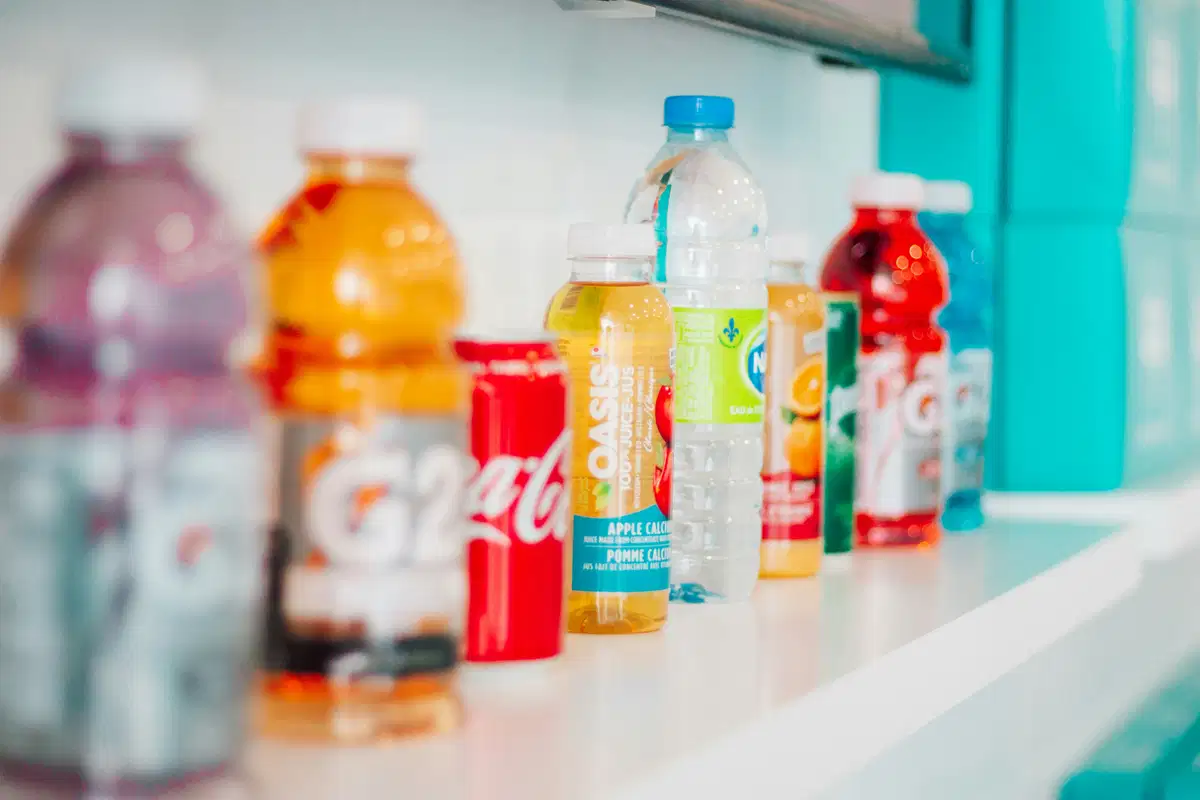
4. Flavored and Functional Beverages
Certain flavored drinks and electrolyte-containing beverages may also be eligible for DMDC treatment. Manufacturers must confirm that their specific formulation meets the applicable authorization conditions.

5. Selected Ready-to-Drink Alcoholic Beverages
Specific ready-to-drink alcoholic products, including qualifying hard seltzers, shandies, and spirit-based cocktails, have received U.S. authorizations under defined conditions. These approvals may be limited to particular manufacturers and their customers.
The U.S. regulations and FDA food-contact notification inventory outline the beverage categories and conditions under which DMDC may be used. Approval for one beverage type or supplier does not automatically authorize every formulation or manufacturer.
DMDC reacts with susceptible microorganisms and helps reduce the risk of spoilage in treated beverages. For beverage manufacturers, its main value is as an additional microbial control step integrated into an established production process.
Key functions include:
Spoilage control: Helps inactivate susceptible microorganisms that could affect beverage quality.
Bottling support: Can be incorporated into approved beverage processing before final packaging.
Quality management: Supports a broader microbial control strategy when used under validated processing conditions.
Formulation compatibility: Can be considered for selected beverages where its use is authorized and technically suitable.
Processing flexibility: Provides an additional option alongside suitable filtration, heat treatment, sanitation, and packaging controls.
DMDC is not a substitute for good manufacturing practices. Under U.S. federal regulations, the viable microbial load must already have been reduced to the specified level before DMDC is used.
Who Buys DMDC in Bulk?
DMDC is a specialized ingredient, so its potential B2B buyers are generally beverage manufacturers and companies responsible for beverage processing and quality management.
Buyer category | Typical purchasing need |
|---|---|
Juice and juice-drink manufacturers | Microbial control in eligible juice products |
Bottled tea manufacturers | Processing controls for ready-to-drink tea |
Wine producers and bottlers | Microbial management during bottling |
Flavored beverage manufacturers | Treatment of eligible formulations |
Functional beverage producers | Microbial control in permitted electrolyte beverages |
Ready-to-drink alcoholic beverage producers | Processing of qualifying product categories |
Beverage contract manufacturers | Ingredient and process solutions for customer products |
Beverage ingredient distributors | Supply to authorized industrial users |
For suppliers, this is a specialized B2B market in which regulatory documentation, technical support, handling procedures, and application suitability can be as important as price.
What Should Beverage Manufacturers Check Before Purchasing?
Before sourcing DMDC, buyers should assess the following:
Regulatory authorization: Confirm that DMDC is permitted for the exact beverage type and destination market.
Supplier eligibility: Check whether an authorization or notification is limited to a particular manufacturer and its customers.
Product specifications: Request the relevant technical specification and Certificate of Analysis (COA).
Processing compatibility: Evaluate the ingredient within the beverage's existing microbial control and bottling system.
Handling and dosing systems: Confirm that trained personnel and suitable equipment are available, following supplier instructions and applicable safety requirements.
Quality assurance: Establish appropriate verification procedures and documentation for the production process.
Supply reliability: Review lead times, storage and handling requirements, minimum order quantities, and continuity of supply.
Total cost: Consider equipment, validation, training, documentation, and quality-control requirements in addition to the ingredient price.
DMDC requires specialized handling and controlled application. Buyers should follow the supplier's technical instructions and applicable workplace safety procedures rather than treating it like a standard dry food ingredient.
Regulatory Requirements and Compliance
DMDC regulations vary across jurisdictions and beverage categories. Manufacturers must verify the relevant food-additive rules and any applicable product-specific authorizations before use.
For example, under U.S. federal regulation 21 CFR § 172.133, the specified maximum levels include:
Beverage category | Maximum DMDC level under the cited U.S. regulation |
|---|---|
Wine, dealcoholized wine, and low-alcohol wine | 200 ppm |
Ready-to-drink tea | 250 ppm |
Certain specified electrolyte-containing beverages | 250 ppm |
Certain carbonated dilute beverages containing juice, with juice content not exceeding 50% | 250 ppm |
These limits apply only under the conditions set out in the regulation, including prior reduction of the viable microbial load and compliance with applicable manufacturing practices. Other beverage categories may be covered by separate authorizations.
For manufacturers selling internationally, it is important to check local ingredient permissions, permitted beverage categories, labeling requirements, and any supplier-specific authorization conditions. U.S. approval should not be assumed to establish approval in another country.
Sources
https://pubchem.ncbi.nlm.nih.gov/compound/3086?
https://www.hfpappexternal.fda.gov/scripts/fdcc/index.cfm?id=35&set=FCN&
Sodium Carboxyl Methyl Cellulose CAS: 9000-11-07