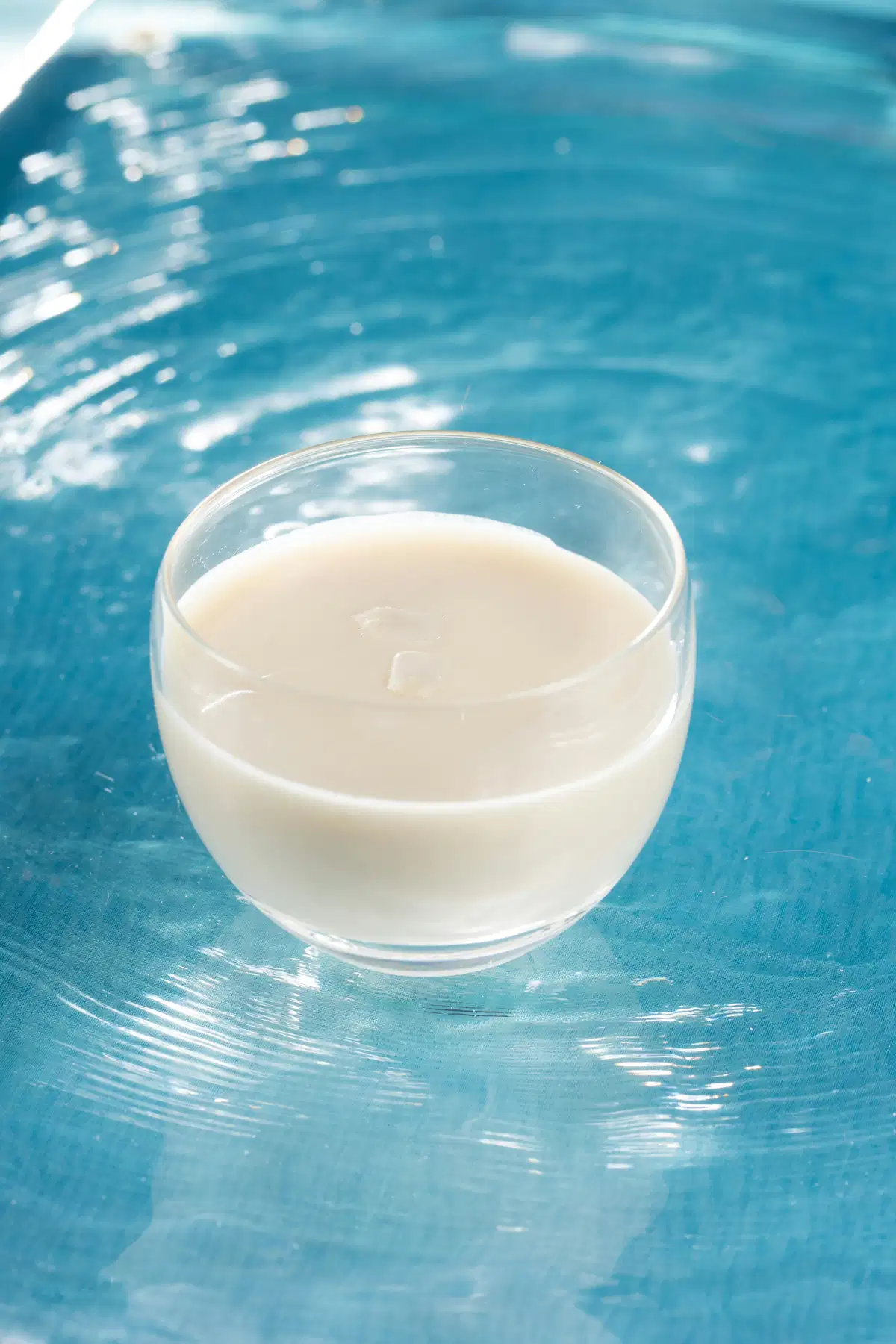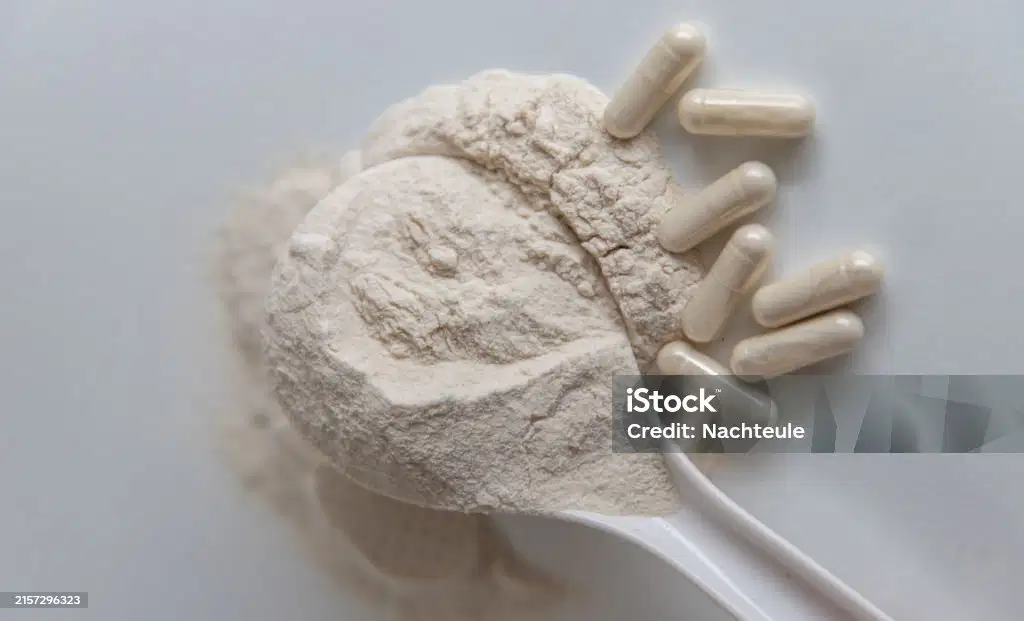
Gellan gum has become a valuable ingredient for food manufacturers seeking precise control over texture, stability and ingredient distribution. From fruit beverages containing suspended pulp to transparent dessert gels, this functional hydrocolloid helps manufacturers achieve consistent product quality while maintaining the desired appearance and mouthfeel.
For chemical traders, procurement managers and food ingredient buyers, understanding gellan gum applications provides a practical basis for evaluating ingredient specifications, selecting suitable grades and supporting customers across the food processing sector. Its ability to function at relatively low concentrations also makes it relevant to manufacturers looking to optimise formulation performance without introducing excessive thickening.
Produced through microbial fermentation, gellan gum offers several functional advantages that distinguish it from conventional stabilisers. Its performance depends on the grade, processing conditions, mineral content and composition of the finished product.
What Is Gellan Gum and How Does It Work?
Gellan gum is a water-soluble polysaccharide produced through controlled fermentation using the microorganism Sphingomonas elodea. Food manufacturers use it as a gelling agent, stabiliser and suspending agent to control the physical structure of liquids, semi-solids and gel-based products.
Its main commercial value lies in its ability to create different textures according to formulation requirements. Manufacturers can develop firm, transparent gels or softer structures suitable for beverages and dairy-style products.
Gellan gum performs several functions in food processing:
Stabilisation: It helps maintain a consistent structure and reduces unwanted separation during storage.
Suspension: It keeps fruit pulp, minerals and other dispersed particles distributed throughout a liquid.
Texture control: It supports the development of specific gel strength, mouthfeel and consistency.
Water management: It can help control moisture movement and reduce liquid separation in suitable formulations.
Unlike ingredients used mainly to increase viscosity, gellan gum can create a structured network at relatively low use levels. This allows formulators to develop stable products without necessarily making them feel excessively thick.
High-Acyl and Low-Acyl Gellan Gum: Choosing the Right Grade
Food manufacturers generally evaluate two principal forms of gellan gum, high-acyl and low-acyl. Their different gel characteristics make grade selection an important part of product development and procurement.
High-acyl gellan gum typically produces soft, elastic gels. It suits applications where manufacturers want a smooth texture, gentle structure or support for suspended ingredients without creating a rigid gel.
Common applications include:
Plant-based milk and protein beverages.
Dairy drinks and fermented milk products.
Fruit beverages containing pulp.
Formulations that require a softer gel structure.
Low-acyl gellan gum generally produces firmer, more brittle gels with excellent clarity. Manufacturers often select it for transparent jellies, structured desserts, fruit preparations and applications that require a defined gel shape.
The two forms can also serve different functions within a product portfolio. A beverage producer may prefer high-acyl grades for one formulation while using low-acyl grades for a clear jelly product.
Procurement teams should request the supplier's technical data sheet and confirm the grade's suitability for the intended application. Acyl type, gel strength, hydration requirements and sensitivity to minerals can all affect production results.
Gellan Gum Applications in Beverages and Fruit Drinks
Beverages represent an important application area because manufacturers often need to distribute insoluble ingredients evenly while preserving a smooth drinking experience. Fruit pulp, aloe vera pieces, mineral fortification and plant proteins can settle or separate when a formulation lacks adequate suspension stability.
Gellan gum helps address these challenges by creating a weak, structured network that supports dispersed particles. When manufacturers select the correct grade and concentration, the beverage can retain its intended appearance and ingredient distribution without becoming excessively viscous.
Key beverage applications include:
Fruit juice and pulp drinks: Helps suspend fruit particles and maintain a more uniform appearance throughout the package.
Plant-based beverages: Supports the distribution of proteins, minerals and other insoluble ingredients in suitable formulations.
Flavoured dairy drinks: Helps stabilise the product structure and improve consistency during storage.
Specialty beverages: Supports formulations containing aloe vera, coconut particles or other suspended ingredients.
Processing conditions remain critical. Manufacturers must consider pH, mineral content, heat treatment and hydration procedures because these factors influence the performance of the stabiliser.
For buyers supplying beverage manufacturers, the correct specification should reflect the customer's actual formulation rather than a general requirement for food-grade gellan gum. Application-specific grades can help reduce formulation trials and improve consistency between production batches.
Gellan Gum in Desserts, Jellies and Dairy Products
Dessert manufacturers use gellan gum to create controlled textures across a wide range of products. Transparent fruit jellies, spoonable puddings, layered desserts and moulded gel products may require different levels of firmness, elasticity and clarity.
Low-acyl gellan gum can provide a defined gel structure, making it suitable for products that need to retain their shape. High-acyl grades may suit applications where manufacturers prefer a softer and more elastic texture.
In dairy and dairy-alternative products, gellan gum can help manage separation and improve the distribution of ingredients. Its performance depends on the interaction between the hydrocolloid, proteins, minerals and other components in the formulation.
Manufacturers may consider it for:
Puddings and dessert gels: Supports the desired consistency and helps create a uniform product structure.
Fruit preparations: Helps maintain texture and improve the distribution of fruit components.
Yogurt and dairy desserts: Can help control whey separation and improve stability when properly formulated.
Plant-based desserts: Offers options for controlling texture in formulations made with alternative proteins and other plant-derived ingredients.

Stabilisation Benefits in Sauces, Fillings and Other Foods
Although beverages and desserts provide clear examples of gellan gum's functionality, its applications extend to several other food categories. Manufacturers can use it wherever a formulation requires controlled texture, improved suspension or a more stable physical structure.
Fruit fillings and bakery preparations benefit from stabilisers that help maintain consistency during handling and storage. Depending on the formulation, gellan gum can contribute to a controlled filling texture and support the distribution of fruit solids.
Other potential applications include:
Jams and jellies: Helps create a defined gel structure and consistent texture.
Bakery fillings and toppings: Supports the texture of fruit-based fillings, icings and selected confectionery preparations.
Confectionery: Helps produce structured gel products with specific firmness and appearance.
Dressings and sauces: Can support suspension and texture control in suitable systems.
However, gellan gum does not automatically replace every stabiliser or thickener in these applications. The formulation's acidity, solids content, processing temperature and required texture determine whether it can work alone or alongside other hydrocolloids.
Food manufacturers should test the ingredient in the complete formulation before adopting it for commercial production. This helps identify compatibility issues and establishes the most suitable dosage and processing conditions.
Key Factors Affecting Gellan Gum Performance
The same gellan gum grade can deliver different results across formulations. Procurement teams and technical buyers should therefore understand the variables that influence its functionality.
1. Dosage and formulation design
The required concentration depends on the intended result. A beverage requiring particle suspension may need a different amount from a dessert that must form a firm gel. Excessive use can create an undesirable texture, while insufficient use may fail to maintain stability.
2. Hydration and processing temperature
Gellan gum typically requires suitable hydration conditions to perform consistently. Manufacturers should follow supplier guidance on dispersion, heating and mixing to prevent incomplete hydration or the formation of lumps.
3. Mineral content and pH
Calcium and other ions can influence gel formation, particularly with low-acyl grades. Acidity and the presence of proteins, sugars or other hydrocolloids may also change the final texture.
4. Interaction with other ingredients
Some formulations benefit from combining gellan gum with other stabilisers. Xanthan gum or other hydrocolloids may help achieve the required suspension, viscosity or mouthfeel, but the combination requires application-specific testing.
5. Storage and shelf-life requirements
The stabiliser must continue performing under the product's expected storage conditions. Temperature changes, packaging characteristics and the overall formulation can influence long-term stability.
Manufacturers should establish clear product specifications and validate performance through pilot trials before moving to full-scale production.
Sourcing Gellan Gum: Quality, Documentation and Supply Considerations
For importers, distributors and food ingredient procurement teams, purchasing decisions should account for more than the quoted price per kilogram. Grade consistency, documentation, packaging and delivery reliability all influence the ingredient's total cost and commercial suitability.
Before placing an order, buyers should evaluate the following factors:
Technical specifications: Request details covering grade, appearance, moisture content, gel properties and other relevant quality parameters.
Food-grade documentation: Confirm that the product meets the applicable food additive and purity requirements in the destination market.
Certificate of Analysis: Request batch-specific documentation and compare the results against the agreed specification.
Traceability: Check batch identification, manufacturer details and supporting quality documentation.
Packaging and storage: Confirm suitable moisture-resistant packaging, storage conditions and shelf-life information.
Supply reliability: Evaluate lead times, minimum order quantities, shipment options and the supplier's ability to maintain consistent quality.
Buyers should also check applicable food additive regulations in their target markets, including permitted uses, maximum levels where relevant and labelling requirements. Compliance in one jurisdiction does not automatically establish compliance in another.
For international shipments, clear product specifications and documentation reduce the risk of delays, rejected consignments or discrepancies between ordered and delivered material.
Market Opportunities and the Outlook for Food Ingredient Buyers
Gellan gum offers commercial opportunities for suppliers serving beverage manufacturers, dessert producers, dairy processors and specialised food formulation businesses. Its ability to support different textures and stabilisation requirements makes it relevant to manufacturers developing new products or improving existing recipes.
Demand opportunities may arise in several areas:
Plant-based beverages: Manufacturers need effective ways to manage protein, mineral and other particulate suspension.
Premium desserts: Transparent gels and controlled textures give product developers more options for differentiated formulations.
Convenience foods: Consistent texture and appearance remain important in products designed for packaged retail distribution.
Reformulated products: Manufacturers adjusting ingredient systems may evaluate gellan gum to achieve their desired stability and mouthfeel.
For distributors, these opportunities favour a technically informed sales approach. Understanding the customer's application can help match the correct grade to the formulation and reduce unnecessary product trials.
Price comparisons should include functional performance, not just purchase cost. An ingredient that performs reliably at a lower use level may offer better value than a cheaper alternative that requires higher concentrations or more extensive reformulation.
What Procurement Teams Should Prioritise When Buying Gellan Gum
Successful sourcing begins with a clear understanding of the end application. A buyer supplying a beverage producer needs different technical information from one serving a manufacturer of firm, transparent dessert gels.
Procurement teams should establish the intended use, target texture, processing conditions and destination-market requirements before requesting quotations. They should then compare suppliers on specification compliance, batch consistency, documentation, delivery performance and total cost of use.
Building relationships with reliable ingredient suppliers can also improve continuity of supply and simplify future product development. Where possible, buyers should arrange representative samples and coordinate application trials with the customer's technical team before committing to large commercial volumes.
Gellan gum offers manufacturers a versatile tool for stabilising beverages, controlling dessert textures and supporting consistent food quality. For buyers, the strongest sourcing decisions combine an appropriate grade, verified specifications and a supplier capable of meeting both technical and commercial requirements.
Xanthan Gum (E415) CAS: 11138-66-2
SOURCE LINK:https://www.gellansolutions.com/products.html?