Konjac glucomannan is gaining attention among food manufacturers seeking reliable ways to control texture, improve water retention and develop innovative gel-based products. Extracted from the tubers of the konjac plant, this water-soluble dietary fibre offers a combination of thickening, gelling and stabilising properties that make it valuable across several food categories.
For chemical traders, ingredient distributors and procurement managers, konjac glucomannan represents a specialised hydrocolloid used in noodle production, gel foods and texture-modified formulations. Its performance depends on ingredient quality, hydration conditions, processing methods and interactions with other formulation components.
As manufacturers develop products with specific texture, moisture and nutritional characteristics, understanding how this ingredient behaves can help buyers select suitable grades, evaluate suppliers and maintain consistent production outcomes.
1. What Is Konjac Glucomannan and Where Does It Come From?
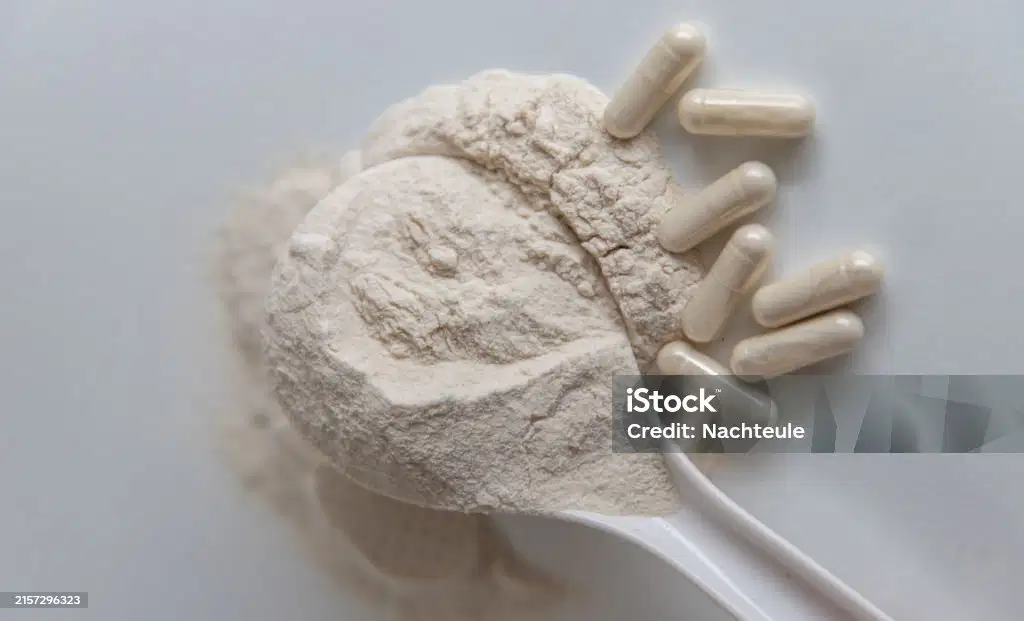
Konjac glucomannan (KGM) is a polysaccharide obtained from the tubers of Amorphophallus konjac, a plant cultivated primarily in parts of Asia. Manufacturers extract and purify the glucomannan fraction to produce a functional food ingredient, commonly supplied as a fine powder.
Its molecular structure contains glucose and mannose units linked into long carbohydrate chains. These chains interact with water, allowing the ingredient to develop substantial viscosity and influence the structure of formulated foods.
Unlike conventional starches that mainly thicken through gelatinisation, konjac glucomannan can deliver strong viscosity through hydration and form gels under suitable conditions. Its behaviour also changes when manufacturers combine it with other hydrocolloids, proteins, starches or alkaline ingredients.
Commercial suppliers may offer different grades with varying purity, viscosity and processing characteristics. Buyers should therefore evaluate the intended application rather than treating all konjac glucomannan powders as interchangeable.
2. Why Konjac Glucomannan Matters in Modern Food Formulation
Food manufacturers must balance texture, processing efficiency, product stability and ingredient costs. Konjac glucomannan can support these objectives by controlling water movement and changing how a product behaves during mixing, cooking, cooling and storage.
Its main functional advantages include:
Viscosity control: The ingredient thickens aqueous systems, helping manufacturers achieve the desired consistency in sauces, fillings and other food preparations.
Gel formation: Under suitable formulation conditions, KGM can contribute to firm, elastic or cohesive gel structures.
Water retention: Its water-binding capacity can help limit moisture loss and improve the texture of selected products.
Texture modification: Manufacturers can adjust firmness, chewiness and mouthfeel by changing the concentration and combining KGM with compatible ingredients.
Formulation flexibility: Its interactions with other hydrocolloids create opportunities to develop textures that a single ingredient may not achieve independently.
These functions require careful formulation. Excessive viscosity can complicate pumping and mixing, while insufficient hydration can create lumps or uneven texture.
Manufacturers should conduct controlled trials to determine the appropriate dosage, mixing sequence and processing conditions for each product.
3. Applications of Konjac Glucomannan in Noodles and Pasta
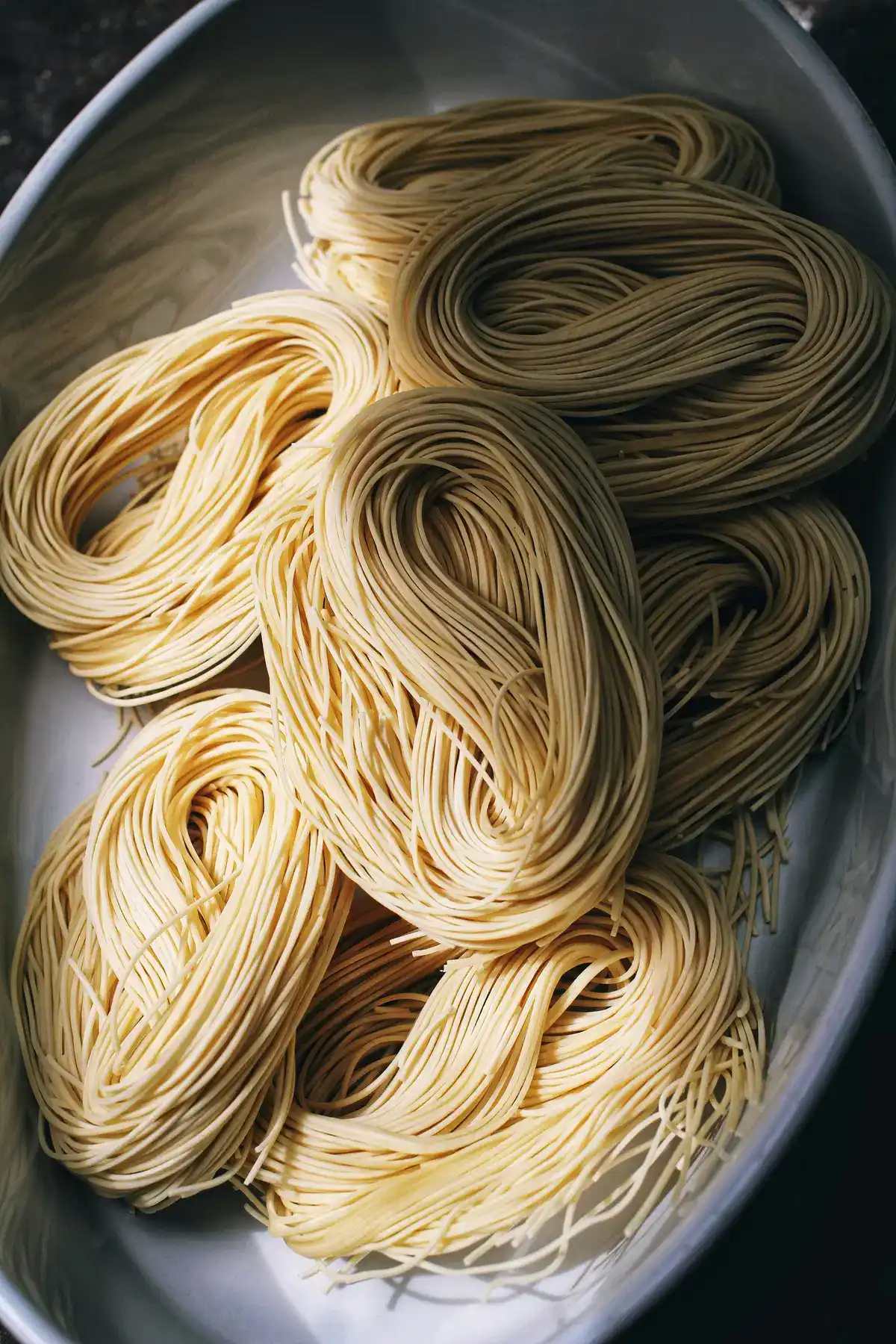
Noodle production is one of the most recognisable applications of konjac glucomannan. Manufacturers use it in konjac-based noodles and selected starch-based or composite noodle formulations to modify firmness, elasticity and water retention.
Konjac noodles often appeal to consumers seeking alternatives to conventional wheat-based products. Their characteristic texture depends on the gel structure created during processing, with the formulation determining firmness, moisture content and the final eating experience.
KGM can also contribute to the quality of other noodle products when manufacturers combine it with starches or additional hydrocolloids. These combinations may improve structural integrity and help control cooking-related changes.
Commercial applications include:
Konjac noodles: Manufacturers use konjac-derived ingredients to develop the distinctive gel-like structure associated with these products.
Starch-based noodles: KGM can modify the behaviour of starch systems and support texture development under suitable processing conditions.
Vermicelli and specialty noodles: Selected KGM formulations can help improve water retention and resistance to deformation.
Gluten-free noodle formulations: Hydrocolloid systems can help compensate for structural differences in formulations that lack wheat gluten, although performance depends on the complete recipe.
For procurement teams, the key consideration is whether the selected grade supports the manufacturer's target cooking stability, texture and production throughput. A grade that performs well in a high-moisture konjac noodle may not deliver the same results in a dry pasta formulation.

4. Gel Foods, Jellies and Structured Food Products
Konjac glucomannan offers manufacturers a useful starting point for creating foods that require a defined gel structure. Its performance depends on the degree of hydration, molecular characteristics and interactions with other ingredients.
Traditional konjac foods demonstrate how manufacturers can transform a hydrated glucomannan system into a cohesive product. Formulators can also explore KGM-based combinations for selected jellies, puddings and other structured foods.
The ingredient's behaviour varies between formulations. Some systems rely on KGM's interaction with alkaline ingredients to establish a firm gel, while others use combinations of hydrocolloids to achieve a specific balance of elasticity, softness and stability.
Potential application areas include:
Konjac tofu and gel-based foods: KGM provides the structural foundation for products that require a cohesive, sliceable texture.
Jellies and puddings: Compatible hydrocolloid combinations can help adjust firmness, smoothness and water retention.
Specialty confectionery: Formulators can investigate KGM-based systems where the intended texture and applicable food regulations support their use.
Composite gels: Combining KGM with ingredients such as carrageenan or locust bean gum can alter gel strength and elasticity.
Manufacturers should test syneresis, which occurs when a gel releases liquid during storage. Packaging conditions, temperature changes and ingredient compatibility can all influence the finished product's stability.
5. Texture Modification in Dairy, Sauces and Processed Foods
Beyond noodles and gel foods, konjac glucomannan can support texture development in several formulated food categories. Its thickening and water-binding properties help manufacturers adjust consistency without relying exclusively on starch or other conventional thickeners.
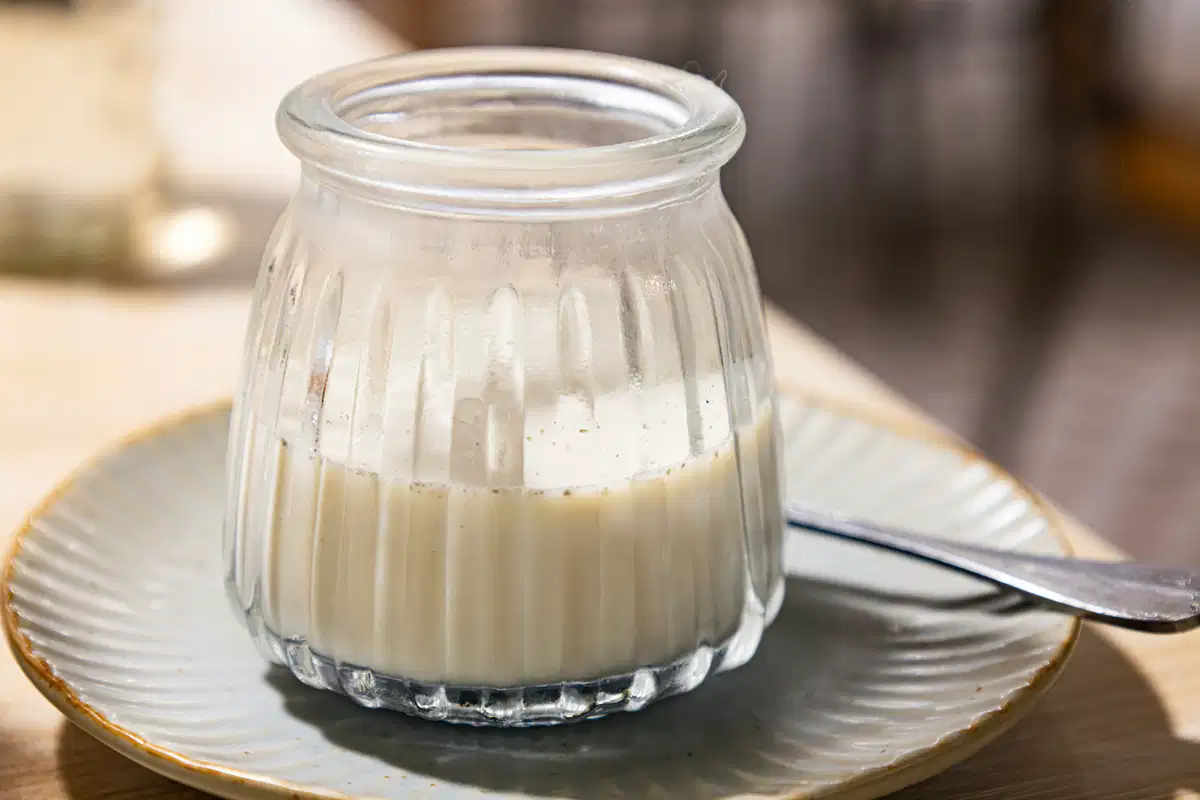
In dairy applications, KGM may contribute to viscosity and gel stability when used in compatible formulations. Product developers can evaluate it in selected yoghurt, dessert and processed cheese systems, particularly when they need to manage texture or develop reduced-fat products.
Sauces, dressings and prepared fillings also offer potential application opportunities. The ingredient can increase viscosity and influence mouthfeel, although formulators must ensure that the finished product remains easy to mix, pump, fill and dispense.
Other potential uses include:
Processed meat products: KGM can help manage moisture retention and texture in suitable formulations.
Frozen foods: Selected KGM systems may support water management and texture stability during freezing and thawing.
Fruit preparations: Its thickening properties can help control consistency and support the suspension of dispersed ingredients.
Reduced-fat foods: Formulators can investigate KGM-based gels as part of a broader strategy to replace some of the textural contribution normally provided by fat.
The correct application depends on the full formulation, not simply the ingredient's ability to thicken. Manufacturers should assess sensory quality, processing behaviour and storage stability before moving to commercial production.
6. Processing Factors That Influence Konjac Glucomannan Performance
A successful KGM formulation starts with controlling hydration and dispersion. Because the powder can develop high viscosity when it contacts water, adding it incorrectly may cause clumps that are difficult to break apart during normal mixing.
Manufacturers should pay particular attention to the following processing variables:
Dispersion and hydration: Introduce the powder using a controlled mixing method that promotes even distribution. Some formulations benefit from premixing KGM with other dry ingredients before adding the blend to water.
Temperature: Heating requirements depend on the formulation and intended gel structure. Manufacturers should validate the temperature profile rather than assume one processing method suits every application.
pH and alkaline ingredients: Alkaline conditions can promote gel formation by changing KGM's molecular interactions. The concentration and addition sequence of alkaline ingredients require careful control.
Hydrocolloid compatibility: KGM interacts with other gums and starches in ways that can strengthen or weaken the resulting structure. Bench trials help identify useful combinations.
Storage conditions: Temperature fluctuations and moisture changes can affect texture and water retention. Finished-product testing helps establish appropriate storage and shelf-life requirements.
Manufacturers should document the processing conditions that produce consistent results. This makes it easier to transfer a successful laboratory formulation to larger production lines without unexpected changes in viscosity or texture.
7. Quality Specifications and Supplier Evaluation
For B2B buyers, purchasing konjac glucomannan requires more than comparing quoted prices. Variations in purity, viscosity and physical characteristics can influence production efficiency and finished-product consistency.
Procurement teams should request a current technical data sheet and certificate of analysis for the proposed grade. They should also confirm that the supplier can maintain consistent specifications across repeat orders.
Important evaluation criteria include:
Purity and composition: Confirm that the grade meets the manufacturer's requirements for glucomannan content and applicable food-grade specifications.
Viscosity performance: Request the supplier's test method and measurement conditions, since results can vary with concentration, temperature and hydration time.
Moisture content: Evaluate moisture specifications because they influence powder handling, storage and the amount of active ingredient delivered per unit weight.
Particle size and appearance: Check whether the powder's physical characteristics suit the production equipment and dispersion method.
Microbiological quality: Review applicable microbiological specifications and contaminant controls for the intended food application.
Packaging and traceability: Confirm that packaging protects the powder during transport and storage, with suitable batch identification and documentation.
Buyers should compare suppliers using consistent specifications and test methods. A lower-cost material may create additional expenses if it requires higher inclusion rates, slows production or produces inconsistent finished goods.
8. Food Safety, Regulatory Compliance and Import Considerations
Konjac glucomannan serves as a food ingredient in various markets, but permitted applications and labelling requirements depend on the destination country's regulations. Buyers should confirm the applicable rules before importing material or incorporating it into a commercial formulation.
In the European Union, konjac gum and konjac glucomannan fall under food additive designation E 425, with conditions governing their authorised uses. Manufacturers must check the relevant food category and any restrictions that apply to their specific product.
Importers and distributors should also review documentation covering ingredient identity, food-grade status, batch traceability and any applicable import requirements. Clear specifications help purchasing teams communicate requirements to suppliers and reduce avoidable delays during shipment clearance.
For international procurement, consider these practical steps:
Confirm the intended application and destination-market requirements before requesting quotations.
Obtain technical and safety documentation for the exact commercial grade.
Evaluate sample material under the intended manufacturing conditions.
Agree on quality specifications, packaging, shelf life and batch documentation before placing a bulk order.
Assess lead times, minimum order quantities and shipping arrangements to support production planning.
These checks help buyers align material selection with product performance, regulatory obligations and supply continuity.
9. What Procurement Teams Should Prioritise Next
Konjac glucomannan offers food manufacturers a versatile option for noodle production, gel formation and texture modification. Its ability to influence viscosity, water retention and gel structure makes it relevant to both established food categories and specialised product development.
Procurement teams should focus on application-specific performance rather than selecting a grade on price alone. The most useful supplier relationship combines consistent quality, clear documentation, responsive technical support and dependable delivery.
Before committing to a large order, buyers should evaluate samples, compare technical specifications and establish repeatable quality checks. This approach helps manufacturers manage formulation risks while supporting consistent production as product demand changes.
For traders and distributors, maintaining access to suitable grades can create opportunities across noodle manufacturers, processed food producers and developers of hydrocolloid-based formulations.
Guar Gum (E412) CAS: 9000-30-0
SOURCE LINK :https://pmc.ncbi.nlm.nih.gov/articles/PMC11979519/?