Glucose Syrup: Applications in Confectionery, Ice Cream and Bakery Products
What Is Glucose Syrup?
Glucose syrup is purified aqueous solution of nutritive saccharides obtained by hydrolysis of starch – typically corn, wheat, potato. Starch undergoes process called hydrolysis, which breaks it down into glucose, maltose, higher saccharides. Dextrose Equivalent (DE) indicates degree of hydrolysis – lower DE means longer chains, more viscosity, less sweetness; higher DE means more glucose/maltose, more sweetness, more browning.
Key types:
Low DE 20-40: Lower sweetness and thicker texture than higher-DE syrups – especially useful when you want more chew, stability, water-binding
Medium DE 40-60: Balanced sweetness and viscosity – most versatile for confectionery and bakery
High DE 58-72: Higher glucose and maltose content – more pronounced sweetness, faster Maillard browning, better fermentability, enhanced humectancy
Functions: Nutritive sweetener, humectant, texture modifier, crystallization inhibitor.
Applications in Confectionery
In food sector, utilized in bakery products, confectionery, convenience foods, dairy products, desserts, fruit preparations. Glucose syrup widely used in baking to improve texture, retain moisture, and prevent sugar crystallization. In confectionery, key ingredient in candies, gummies, caramel to provide smooth consistency.
Glucose syrup is used for making cakes, hard candies, confectionery, toffee, jellies, ice cream, fondant, chewing gum, nougat, bakery products. Provides desired stability of finished products, increases chewiness by decreasing hardness, preserves shape during cutting, packaging.
Specific uses:
Hard candies and boiled sweets: Prevents sucrose crystallization – ensures glassy clear texture – low DE 40 ideal – use 30-50% of sugar solids
Soft candies, caramels, toffee, fudge: Provides chewiness, prevents graininess, controls sweetness – increases chewiness by decreasing hardness – stability during storage
Jellies, gums, gummy bears: Typical found in confectionery industry (e.g., gummy bear production) – DE-40 has good balance of sweetness and viscosity – provides elasticity, prevents crystallization, improves clarity – dosage 30-45% of formulation
Nougat, fondant, marshmallows: Controls aeration, stabilizes foam, prevents sugar crusting – organic glucose syrup ideal for controlling ice crystal formation in ice cream, extending shelf life, building chew in gummy confectionery
Chewing gum: Base plasticizer, humectant
Licorice and fruit pastes: Binder, prevents drying
That set of numbers is what confectionery line needs to hold texture batch to batch.
Applications in Ice Cream and Frozen Desserts
Ice cream and sorbet: 4–8% of total mix weight – full list of applications for low sugar glucose syrup includes ice cream, fruit prep, yoghurt, powdered dairy-based products, bakery fillings – Ice cream and beverages: glucose syrup helps prevent ice crystals in ice creams and adds mild sweetness.
Functions in ice cream:
Controls ice crystal formation and enhances scoopability: Prevents water crystallization in ice creams – controls ice crystal formation – improves texture, smoother mouthfeel
Freezing point depression: High DE syrups depress freezing point more – softer scoop at -18°C
Water binding: Reduces iciness, prevents coarse texture during storage and temperature abuse
Stability: Provides desired stability of finished products – prevents shrinkage, improves melt resistance
Sweetness control: Lower sweetness than sucrose – allows higher solids without excessive sweetness – ideal for fruit sorbets
Typical dosage:
Ice cream: 3-8% of mix – DE 40-45 for premium smooth texture, DE 60+ for softer low-fat ice creams
Sorbets: 15-25% to prevent crystallization and improve body
Soft serve: 2-5% for better flow

Applications in Bakery Products
Bakery: Improves softness, volume, and crust color in breads and cakes – Glucose syrups prevent biscuits from drying out, keep cakes soft, prevent sugar from crystallizing in sweets and jam.
Bakery and cereal bars: 5–20% of total recipe weight – Ice cream and sorbet: 4–8% – Can be used in hot or cold applications and mixed directly into recipe.
Functions in bakery:
Moisture retention and humectancy: High DE (58–62) delivers more pronounced sweetness, faster Maillard browning, better fermentability, enhanced humectancy for bakery – keeps cakes soft, extends shelf life, prevents biscuits drying out
Texture improvement: Baking – glucose syrup widely used to improve texture, retain moisture, prevent sugar crystallization in cakes, cookies, pastries – provides luxurious texture in cakes while white sugar adds sweetness
Fermentation aid: High DE syrups contain fermentable sugars – yeast food – improves volume and crust color
Browning and crust color: Maillard reaction – enhances golden brown crust – controlled by DE
Dough conditioning: Increases extensibility, improves machinability in high-speed lines
Anti-staling: Delays starch retrogradation – keeps bread softer longer
Specific bakery uses:
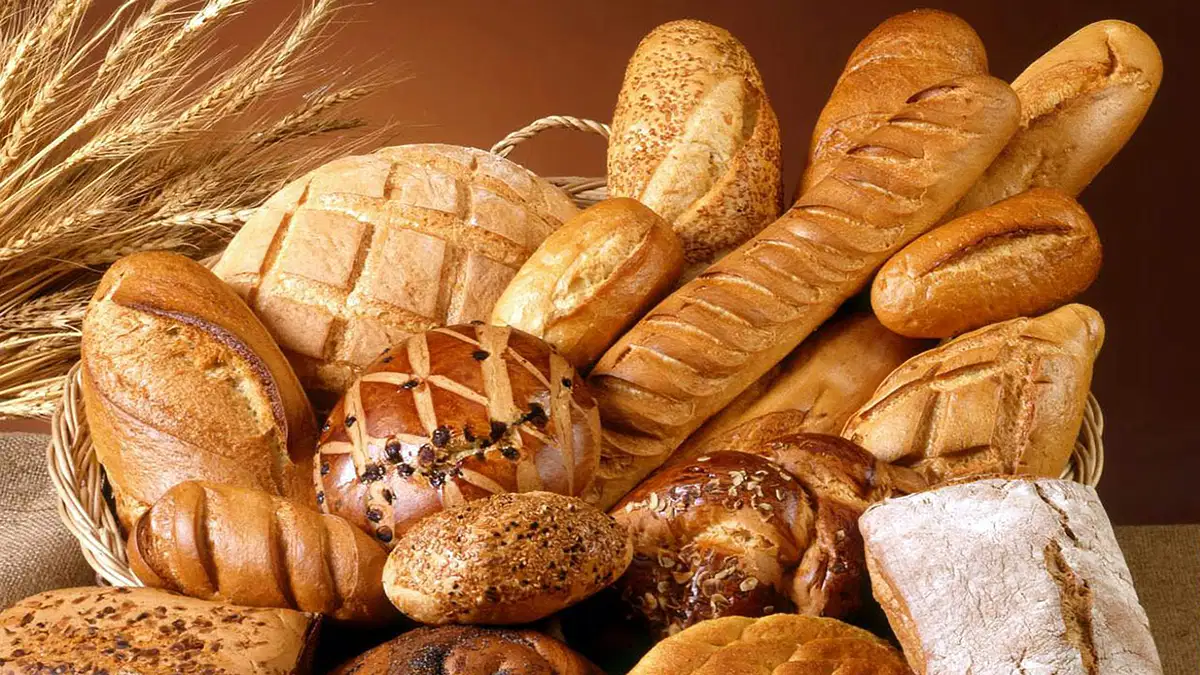
Breads and buns: 1-4% flour weight – improves softness, volume, crust color, shelf life – low-fat breads benefit from higher dosage
Cakes, muffins, pound cakes: 5-15% of sugar – improves moistness, tender crumb, delays staling – cake more luxurious texture
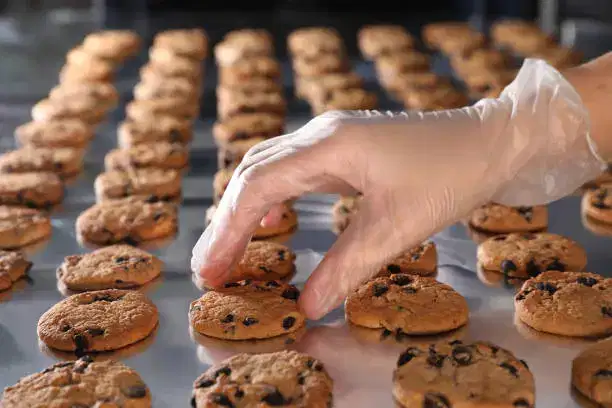
Cookies and biscuits: 3-10% – controls spread, improves chewiness, prevents drying – ideal for soft cookies
Cereal bars, energy bars, granola bars: 20-35% as binder – provides desired stability, preserves shape during cutting, packaging, increases chewiness by decreasing hardness
Fillings, jams, glazes: Prevents crystallization, adds body, improves sheen – biscuits, confectionery products, dairy desserts, fruit based preparations, jams, jellies, sauces
Donuts and pastries: Improves glaze adhesion, moisture retention
Choosing Right DE for Your Application
DE 20-28: Very low sweetness, high viscosity – best for nougat, fondant, aerated confectionery where structure and low sweetness needed – provides stability
DE 38-45: Balanced – most versatile – cakes, hard candies, ice cream, bakery fillings, sweet baked goods, coatings, cereal bars, soft drinks, sauces, dressings – Louis Francois Glucose Syrup 40 DE for confectionery & baking – lower sweetness thicker texture especially useful when you want more chew, stability, water-binding
DE 60-65: Higher sweetness, lower viscosity – breads, soft cakes, ice cream softening, beverages, brewing – faster browning
Organic and low-sugar variants: VERSASWEET 1724 low sugar glucose syrup includes ice cream, fruit prep, yoghurt, powdered dairy, bakery fillings, sweet baked goods, coatings, cereal bars – meets clean label, low sugar claims
Handling, Storage, and Formulation Tips
Can be used in hot or cold applications and mixed directly into recipe – warm slightly (40-50°C) to reduce viscosity for easier pumping
Storage: Ambient, sealed – avoids crystallization – shelf life 12 months
Labeling: Glucose syrup, corn syrup, wheat glucose syrup depending on source – important for allergen labeling (wheat source must declare gluten)
Dosage balance: Replacing sucrose with glucose syrup reduces sweetness – compensate if needed – but also reduces tendency to crystallize
Synergy: Often used with invert sugar, sorbitol for optimal humectancy
Benefits Summary for Manufacturers
Glucose syrup prevents biscuits from drying out, keeps cakes soft, prevents sugar from crystallizing in sweets and jam and prevents water crystallization in ice creams. Provides stability, chewiness, shape preservation, moisture retention, controlled sweetness, improved scoopability, extended shelf life – essential multifunctional ingredient across confectionery, ice cream, bakery.
Working Source Links:
Louis Francois Glucose Syrup 40 DE for Confectionery & Baking – lower sweetness thicker texture – especially useful when you want more chew, stability, water-binding – Bakery 5–20%, Ice cream 4–8% – https://supplies.gusta.ca
SCG 40® - Glucose Syrup – used for making cakes, hard candies, confectionery, toffee, jellies, ice cream, fondant, chewing gum, nougat, bakery – Provides stability, increases chewiness, preserves shape – https://ingredientsnetwork.com
Glucose Syrup vs Corn Syrup: What’s Difference – Uses: Baking improves texture, retains moisture, prevents crystallization – Confectionery key ingredient provides smooth consistency – Ice Cream & Beverages helps prevent ice crystals – https://medium.com
Coconut Water CAS: 8001-31-8