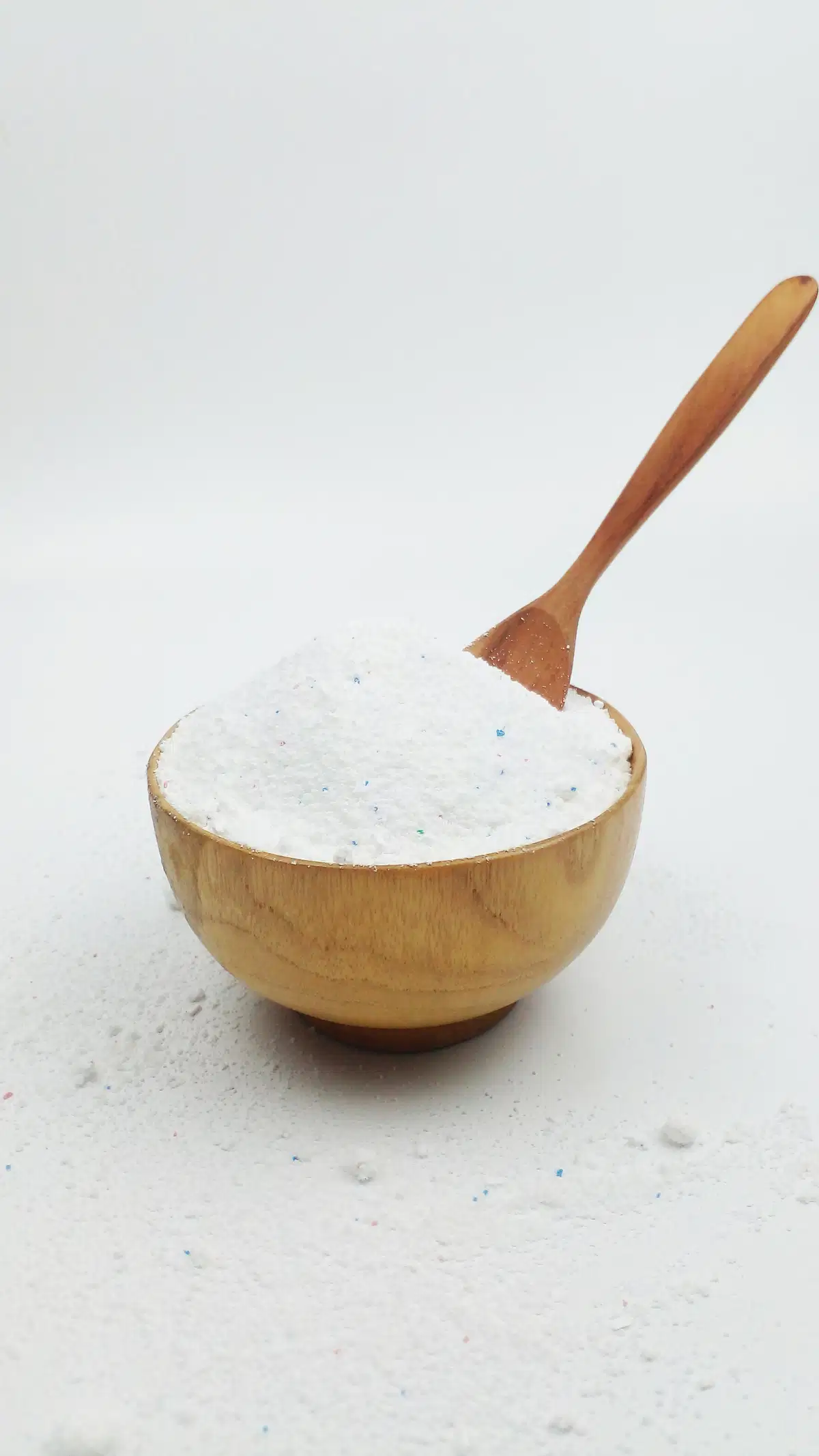
Sodium stearoyl lactylate plays an important role in commercial bread production, where consistent loaf volume, resilient crumb structure and reliable dough handling influence product quality and manufacturing efficiency. For industrial bakeries, even small formulation adjustments can affect how dough behaves during mixing, fermentation, proofing and baking.
Sodium stearoyl lactylate (SSL) is a food-grade emulsifier that bakers use primarily to strengthen dough and improve the texture of finished bread. It helps manufacturers achieve more consistent results across production batches while supporting the softness and structural quality that customers expect from packaged bread, sandwich loaves and buns.
For ingredient buyers, understanding how SSL performs in different bakery formulations helps guide product selection, supplier evaluation and purchasing decisions. Its value extends beyond the mixing stage because its functional effects can influence loaf appearance, slicing performance and the rate at which bread becomes firm during storage.
What Is Sodium Stearoyl Lactylate and Why Do Bakeries Use It?
Sodium stearoyl lactylate is an emulsifier produced from stearic acid, lactic acid and sodium-based neutralization chemistry. Its molecular structure contains both water-attracting and fat-attracting regions, allowing it to interact with several components in bread dough.
Unlike ingredients that primarily provide sweetness, flavor or nutritional value, SSL serves a technological purpose. It helps modify the interactions between flour proteins, starch and other dough components to improve processing behavior and finished-product characteristics.
Commercial bakeries commonly use SSL in white bread, pan bread, sandwich loaves, hamburger buns and other yeast-leavened products. Manufacturers may also consider it when working with formulations that contain whole grains or selected non-wheat flours, although performance depends on the complete recipe.
Three functional characteristics explain its importance:
Dough strengthening: SSL interacts with gluten proteins, supporting a stronger dough structure that can withstand mixing and fermentation.
Crumb conditioning: It helps produce bread with a softer, more resilient internal texture.
Staling control: Its interaction with starch can slow certain changes associated with crumb firming during storage.
These functions make SSL particularly useful for manufacturers that need repeatable quality across large production runs.
How SSL Improves Dough Strength and Processing Performance
Dough strength affects nearly every stage of industrial bread production. A formulation that mixes well but loses its structure during proofing can create inconsistent loaves, while dough that tolerates mechanical handling more effectively can support smoother production.
SSL contributes to dough strength through interactions with gluten proteins. Wheat gluten forms an elastic network that retains carbon dioxide generated by yeast fermentation. By promoting protein interactions within this network, SSL can help dough maintain its structure as gas cells expand.
This functionality supports several practical benefits:
Improved gas retention: A stronger dough structure can hold fermentation gases more effectively, supporting loaf expansion.
Better mixing tolerance: Dough may withstand the mechanical demands of mixing with less loss of structural integrity.
Greater proofing stability: Improved dough strength can help limit excessive weakening or collapse as the dough expands.
More consistent processing: Better control over dough behavior can reduce variability in the appearance and structure of finished loaves.
SSL does not eliminate the need for suitable flour quality, hydration or mixing conditions. Instead, it works alongside these factors to help bakeries achieve the desired balance between elasticity, extensibility and strength.
For procurement teams, this distinction matters when comparing bakery ingredients. A product's commercial value depends on its performance within the actual formulation, not simply on its ingredient specification or quoted price.
Bread Volume, Crumb Texture and Slicing Quality
Loaf volume is an important commercial quality indicator because it affects product appearance, portion size and customer perception. SSL can help improve oven spring, the expansion that occurs during the early stages of baking, by supporting the dough's ability to retain gas.
Better gas retention can produce a more developed loaf with a consistent internal structure. However, the final result also depends on flour protein quality, yeast activity, proofing conditions and oven performance.
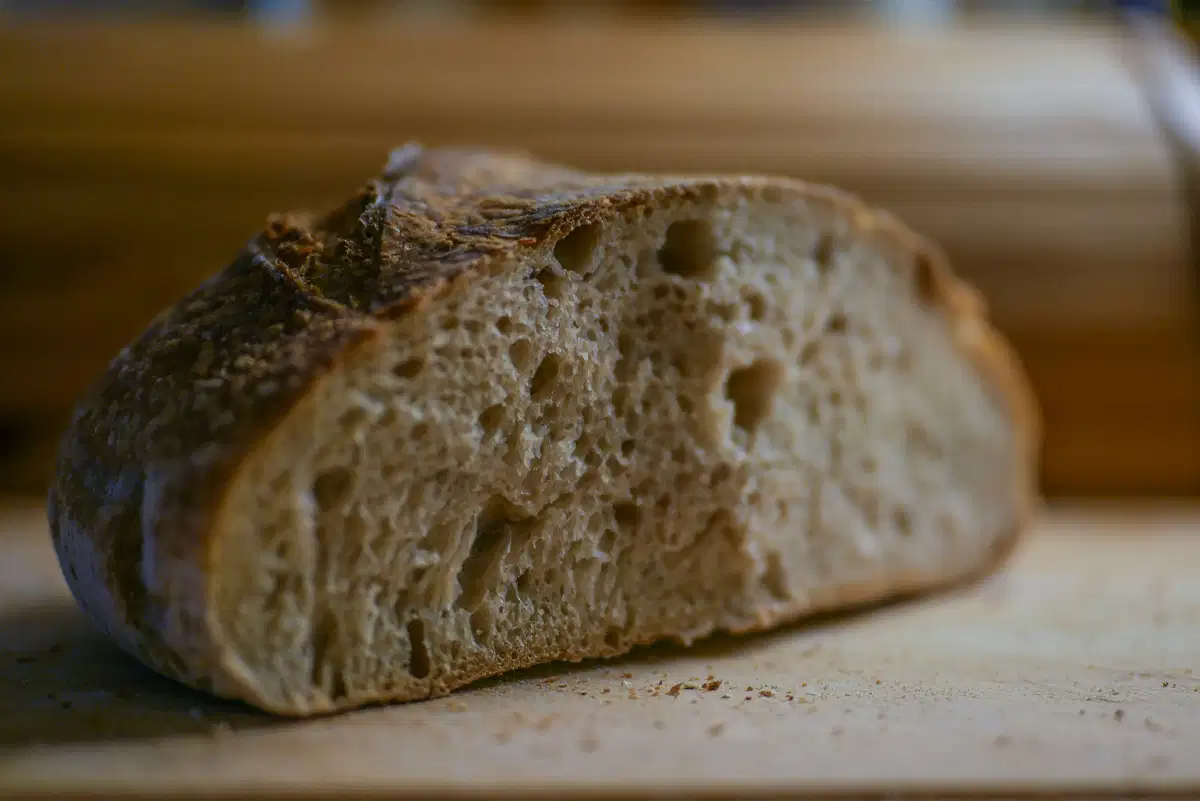
SSL also contributes to crumb quality, which describes the internal texture and arrangement of air cells within bread. Depending on the formulation and process, its use can support a fine, uniform crumb with a pleasant degree of resilience.
For bakeries producing sliced bread, these properties have direct operational implications:
Cleaner slicing: A stable crumb can help bread maintain its structure during automated cutting and packaging.
More uniform appearance: Consistent gas-cell development can improve the visual quality of sliced products.
Better eating texture: A resilient crumb supports a soft bite without making the loaf feel excessively weak.
Improved product consistency: Repeatable dough performance helps manufacturers maintain similar results across production batches.
The benefits depend on the interaction between SSL, flour characteristics and processing conditions. Excessive addition does not automatically produce better bread, so bakeries should evaluate the ingredient against measurable product-quality targets.

Extending Bread Softness and Managing Staling
Bread staling creates a challenge for manufacturers, distributors and retailers because consumers generally prefer a soft, fresh-feeling crumb. Although moisture loss contributes to changes in bread texture, staling also involves changes in starch structure after baking.
As bread cools and remains in storage, starch molecules gradually reorganize through a process called retrogradation. This process contributes to crumb firming and can reduce the sensory quality of bread even when the loaf retains some moisture.
SSL can interact with starch components and help slow certain changes associated with firming. This gives it a useful role in formulations where manufacturers want to maintain acceptable texture during distribution and shelf storage.
Research published in LWT: Food Science and Technology examined SSL alongside maltogenic amylase in pan bread. The study reported positive effects on loaf volume and reduced firmness, with improvements in bread texture during storage.
ScienceDirect
For commercial buyers, the practical implications include:
More stable texture: Bread can retain a desirable crumb structure for longer under suitable storage conditions.
Support for packaged bread: Manufacturers can incorporate SSL into formulations designed for distribution through retail and food-service channels.
Potential reduction in quality losses: Better texture retention may help limit complaints related to firm or less palatable bread.
Improved formulation flexibility: SSL can form part of a broader bread-quality strategy alongside suitable packaging and storage practices.
SSL cannot prevent every form of staling, nor does it replace appropriate packaging, hygiene or inventory management. Its effectiveness depends on dosage, recipe composition, storage temperature and the other ingredients used in the formulation.
Applications Across Commercial Bakery Products
SSL has its strongest established role in yeast-leavened bakery products that require dough strength and reliable crumb quality. However, different product formats place different demands on the ingredient.
Industrial sandwich bread: Manufacturers use SSL to support loaf volume, structural consistency and a soft crumb suitable for automated slicing and packaging.
Hamburger and hot dog buns: These products require a balance between softness and strength. SSL can help the dough retain its structure while producing buns that remain resilient during handling.
Pan bread and packaged loaves: Longer distribution cycles make texture retention important. SSL can support dough performance and help maintain the desired eating quality during storage.
Whole-grain and composite-flour bread: Bran, fiber and non-wheat ingredients can alter water absorption and interfere with the structure that wheat gluten normally provides. SSL may help improve performance in selected formulations, but bakeries need to test each flour blend.
High-volume bakery operations: Automated lines depend on predictable dough behavior. SSL can help manufacturers manage product consistency when they combine it with suitable flour specifications and controlled processing conditions.
Not every baked product requires the same emulsifier or dosage. Flatbreads, cakes, biscuits and other bakery categories may have different functional requirements, so manufacturers should select ingredients according to the product's intended texture and manufacturing process.
Formulation, Dosage and Ingredient Handling
SSL performance depends on the grade, dosage and method of incorporation. Bakers typically evaluate it as a percentage of flour weight rather than treating it as a fixed proportion of the finished loaf.
In the United States, federal regulations permit sodium stearoyl lactylate in specified baked products at a maximum of 0.5 parts per 100 parts of flour, subject to applicable requirements and standards of identity.
LII / Legal Information Institute
This regulatory limit should not be interpreted as the ideal dosage for every recipe or as a universal allowance in every market. Manufacturers must follow the applicable food regulations in the country where they produce and sell their products.
During formulation trials, technical teams should assess:
Dosage response: Compare several permitted inclusion levels to identify the level that delivers the required dough strength and crumb characteristics.
Mixing compatibility: Check whether the selected SSL grade disperses uniformly under the plant's normal mixing conditions.
Flour variation: Test performance against changes in flour protein, absorption and other quality specifications.
Process conditions: Evaluate mixing time, fermentation, proofing and baking together rather than judging SSL in isolation.
Finished-bread quality: Measure loaf volume, crumb firmness, slicing behavior and texture during the intended storage period.
Manufacturers should also follow the supplier's handling instructions. Powder form may allow direct addition during mixing, while other incorporation approaches may suit particular formulations or equipment.
Sourcing SSL: Quality, Compliance and Supplier Evaluation
For importers, ingredient distributors and bakery procurement managers, sourcing sodium stearoyl lactylate requires more than finding the lowest quoted price. Product consistency, food-grade documentation and dependable delivery can influence production efficiency and finished-bread quality.
A supplier evaluation should cover several areas.
Product specifications: Request the technical data sheet, grade information and relevant compositional specifications. Confirm that the offered material matches the bakery's intended application.
Food safety documentation: Review the certificate of analysis, applicable food-grade declarations and supporting documentation required by the destination market.
Regulatory suitability: Confirm that the product meets the rules governing food additives in the manufacturing and sales jurisdictions.
Batch consistency: Ask how the supplier controls product quality and manages variation between shipments.
Packaging and storage: Verify packaging integrity, shelf-life information and recommended storage conditions to protect the ingredient during transit and warehousing.
Supply reliability: Assess lead times, minimum order quantities, shipping arrangements and the supplier's ability to maintain regular deliveries.
International buyers should also consider customs requirements, transport costs and the documentation needed for food ingredients. A competitive ex-works price may not represent the lowest landed cost once freight, insurance, duties and handling expenses enter the calculation.
For distributors, consistent documentation and traceable batches can also support customer retention. Bakery manufacturers generally benefit from suppliers that communicate specification changes clearly and provide reliable technical support when a formulation or production process changes.
What Bakery Buyers Should Prioritize Before Purchasing
The most effective purchasing decision connects ingredient specifications with actual bakery performance. A low-cost SSL grade may appear attractive, but differences in consistency, handling characteristics or supplier reliability can affect the total cost of production.
Before placing a commercial order, procurement teams should align their requirements with the bakery's technical staff. This helps ensure that the selected ingredient supports the target bread type, production equipment and shelf-life expectations.
A practical purchasing process should include the following steps:
Define the application. Specify whether the ingredient will support sandwich bread, buns, whole-grain loaves or another yeast-leavened product.
Agree on technical acceptance criteria. Establish the required documentation, product specifications and performance measures before requesting quotations.
Conduct a controlled trial. Evaluate a supplier's sample using the intended recipe and production process.
Compare total landed costs. Include freight, duties, packaging, storage and expected supply requirements in the commercial comparison.
Approve the supplier and establish controls. Set procedures for incoming inspection, batch documentation and reordering to support uninterrupted production.
These steps help buyers balance ingredient cost with quality consistency and supply-chain resilience. They also create a clearer basis for comparing suppliers across international markets.
The Bottom Line for Commercial Bakery Procurement
Sodium stearoyl lactylate offers commercial bakeries a practical way to support dough strength, loaf expansion, crumb resilience and bread softness. Its contribution to processing stability and texture retention makes it a useful formulation tool for manufacturers producing bread at scale.
The best results come from selecting an appropriate grade, controlling the dosage and evaluating the ingredient within the complete recipe. Procurement teams that combine technical trials with careful supplier qualification can make better purchasing decisions and reduce avoidable quality variation.
For importers and distributors, reliable sourcing also depends on food-grade compliance, consistent documentation, competitive landed costs and dependable delivery schedules. These factors help connect ingredient purchasing with the operational requirements of modern bakery production.
Soya Lecithin CAS: 8002-43-5
SOURCE LINK:https://asbe.org/article/sodium-stearoyl-lactylate-ssl/?