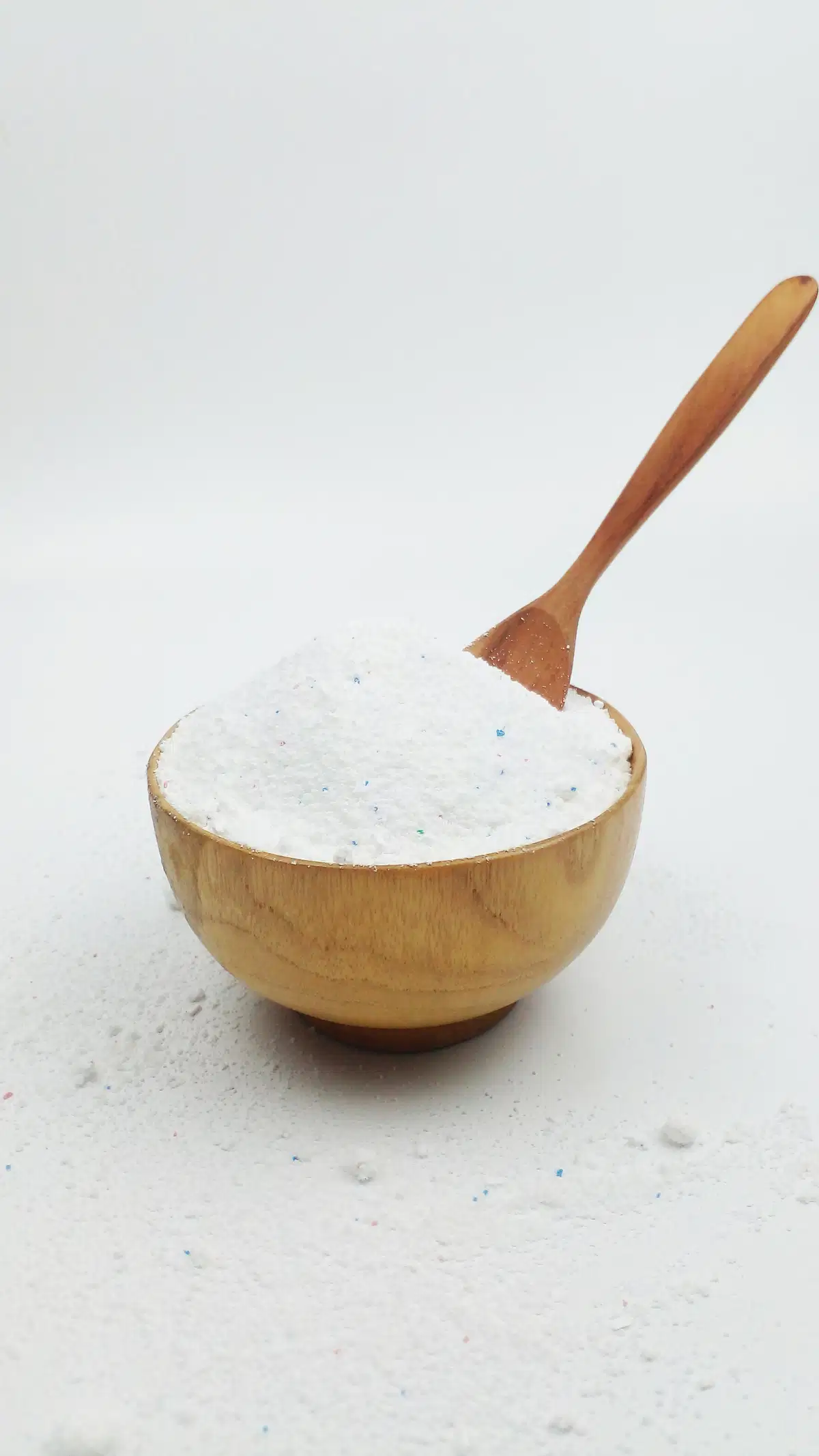
Calcium Propionate: Applications in Commercial Bread and Bakery Preservation
Calcium propionate is a widely used food preservative in commercial baking. It helps inhibit mold growth and certain spoilage bacteria, supporting the quality and shelf life of bread and other suitable bakery products.
For industrial bakeries, bread manufacturers, and ingredient distributors, mold control is an important part of managing product waste and maintaining consistent quality during storage and distribution. Calcium propionate is particularly useful in yeast-leavened bread because it can inhibit mold while generally having less impact on yeast fermentation than some alternative propionate preservatives. Its effectiveness depends on factors such as product pH, formulation, dosage, and manufacturing hygiene
Key Applications of Calcium Propionate in Commercial Baking
1. Packaged Bread and Sandwich Loaves
Calcium propionate is commonly used in packaged bread to inhibit mold growth and help maintain product quality during distribution. It is particularly relevant to manufacturers producing sliced bread in large quantities for supermarkets and retail chains.

2. Burger Buns and Bread Rolls
Commercial bun and roll manufacturers may use calcium propionate to reduce mold-related spoilage. This is valuable when products are packaged, transported, and stored before reaching foodservice operators or retail customers.
3. Tortillas and Flatbreads
Selected tortilla and flatbread formulations use calcium propionate, sometimes alongside other permitted preservatives, to help control mold. The preservation system must be designed around the product's pH, moisture, recipe, and intended shelf life.

4. Pizza Crusts and Bakery Bases
Calcium propionate can be used in certain pizza crusts and related bakery products to retard mold growth. Its suitability depends on the product type and the applicable food regulations.
5. Selected Cakes and Other Baked Goods
Calcium propionate is permitted in certain categories of baked goods, but it is not the best choice for every recipe. In some chemically leavened products, its effect on the formulation can make alternative preservation systems more suitable.
The American Society of Baking identifies calcium propionate as a mold inhibitor used in bread and other bakery applications. It also notes that effectiveness depends on product conditions and the preservative system used.
How Does Calcium Propionate Work?
Calcium propionate works primarily by inhibiting the growth of molds and certain spoilage bacteria. This helps slow the development of visible mold and other spoilage problems in suitable bakery products.
Its performance is influenced by several factors:
Product pH: Calcium propionate generally performs better in more acidic conditions.
Dosage: The amount used must be appropriate for the product and permitted by applicable regulations.
Manufacturing hygiene: Contamination during cooling, slicing, and packaging can reduce the effectiveness of a preservation system.
Packaging and storage: Moisture, temperature, and packaging conditions influence spoilage risk.
Product formulation: Different breads, cakes, and flatbreads may require different preservation strategies.
Calcium propionate is not a substitute for good hygiene, proper baking, safe cooling practices, or suitable packaging. It also does not prevent every form of spoilage.
Who Buys Calcium Propionate in Bulk?
Calcium propionate is relevant to several B2B buyer groups in the bakery supply chain.
Buyer category | Typical purchasing purpose |
|---|---|
Industrial bread manufacturers | Mold control in packaged bread |
Commercial bakeries | Preservation of bread and suitable baked goods |
Burger bun and roll producers | Shelf-life management for packaged products |
Tortilla and flatbread manufacturers | Mold inhibition in selected formulations |
Pizza crust manufacturers | Preservation of suitable crust products |
Bakery premix manufacturers | Inclusion in bakery improver and preservative blends |
Food ingredient distributors | Bulk supply to bakery customers |
Bakery ingredient suppliers | Distribution to wholesale and industrial bakeries |
For ingredient suppliers, large bread manufacturers and bakery premix producers can be recurring customers because preservation ingredients are part of routine production planning. Buyers typically evaluate product consistency, documentation, price, and delivery reliability.
Benefits for Commercial Bakery Manufacturers
Mold control: Helps reduce mold growth in suitable bakery products.
Shelf-life management: Supports the maintenance of product quality during storage and distribution.
Reduced product waste: Effective preservation may reduce losses caused by premature mold spoilage.
Compatibility with yeast-leavened bread: Generally has less inhibitory effect on baker's yeast than some alternative propionates.
Industrial practicality: Can be incorporated into suitable commercial bakery formulations.
Actual shelf-life results vary by recipe, process, packaging, storage conditions, and hygiene practices. Manufacturers should validate the preservation system under their own production and distribution conditions.
What Should B2B Buyers Check Before Purchasing?
Commercial bakeries and ingredient distributors should review the following before selecting a calcium propionate supplier.
Food-grade specifications: Confirm that the ingredient meets the required quality standards for its intended application.
Purity and consistency: Review the agreed technical specification and batch-to-batch quality.
Certificate of Analysis (COA): Request batch-specific analytical results and a product specification sheet.
Application suitability: Confirm that the ingredient is suitable for the bakery product being manufactured.
Regulatory compliance: Check permitted food categories, use levels, and labeling rules in the destination market.
Packaging and storage: Verify packaging integrity, shelf life, and storage instructions.
Traceability: Ensure batch identification and relevant food-safety documentation are available.
Supply reliability: Compare minimum order quantities, lead times, delivery schedules, and total landed cost.
Buyers should also test the preservative within the actual recipe. A supplier's general application recommendation does not replace formulation trials or regulatory checks.
Regulatory Requirements for Calcium Propionate
Food additive rules vary by country and product category. In the United States, calcium propionate is covered by 21 CFR § 184.1221, which recognizes its use as an antimicrobial agent under current good manufacturing practice conditions in specified food categories, including baked goods.
In Great Britain, calcium propionate is listed as authorized food additive E282, subject to the applicable conditions of use.
Manufacturers and importers should always verify the current requirements of their target market rather than assume the same permitted uses and limits apply internationally.
Sources
https://www.kemin.com/content/dam/kemin-food-technologies/kftna-photos/ingredient-library/calcium-propionate.pdf?
https://www.ams.usda.gov/sites/default/files/media/Calcium%20Propionate%20TR.pdf?
Calcium Propionate (E282) CAS: 4075-81-4